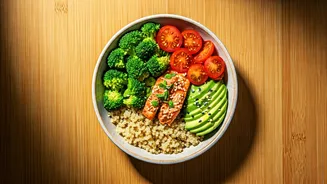



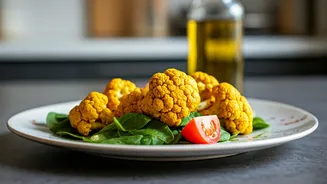


The Philosophy of the Bowl
The one-bowl meal is more than just a trend; it's a return to simplicity. It’s the culinary equivalent of a sigh of relief. The concept is simple: layer a variety of textures, flavours, and food groups into a single vessel. This approach cuts down on cooking
time, decision fatigue, and, best of all, washing up. For many in India, this isn't a new concept. Think of the wholesome comfort of khichdi, the satisfying completeness of a dal-rice-sabzi mix, or the hearty goodness of rajma chawal. The modern one-bowl meal simply formalises this idea, encouraging a more conscious and balanced assembly of ingredients. It’s about building a meal that not only tastes good but also makes you feel good, providing a spectrum of nutrients without the fuss of preparing multiple separate dishes.
Step 1: The Foundation
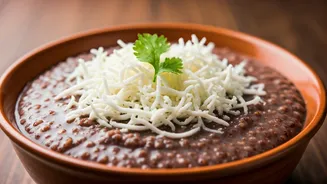
Every great bowl starts with a solid foundation. This is your base of complex carbohydrates, providing sustained energy. While fluffy white rice is a classic comfort, consider diversifying for a greater nutritional punch. Brown rice, red rice, and millets like jowar, bajra, and ragi are excellent, fibre-rich options that are gaining well-deserved popularity. Quinoa, with its complete protein profile, is another fantastic choice. Don't limit yourself to grains. Roasted sweet potatoes, mashed potatoes, or even a bed of hearty greens like spinach can serve as a delicious and nutrient-dense base. The key is to choose something that will absorb the flavours of the other components and provide a satisfying texture.
Step 2: The Protein Powerhouse
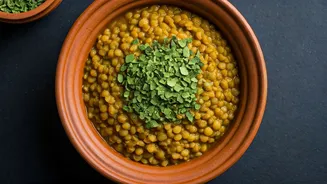
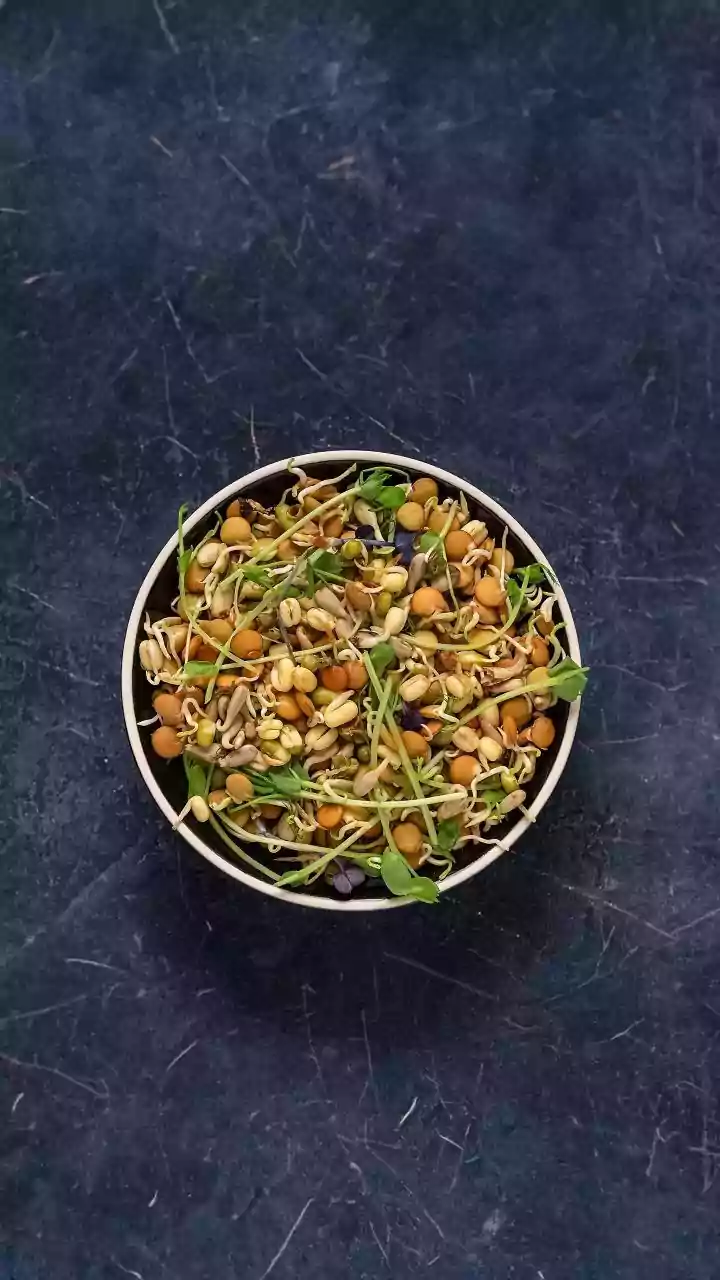
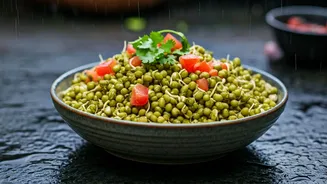
Protein is crucial for satiety and muscle repair, making it an essential component of your bowl. The options here are wonderfully diverse. For plant-based power, think chickpeas (chana), kidney beans (rajma), lentils (dal), or black beans. Cubes of firm tofu or paneer, marinated and pan-fried or baked, add a wonderful textural contrast. A handful of edamame or a spoonful of hummus can also boost the protein content. For non-vegetarians, grilled chicken breast, shredded leftover tandoori chicken, a flaky piece of fish, or a simple boiled or fried egg can complete the meal. The goal is to include a palm-sized portion to ensure your bowl keeps you full and energised for hours.
Step 3: The Veggie Rainbow
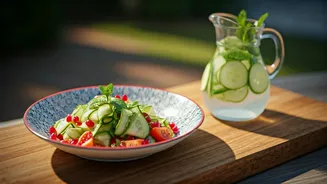
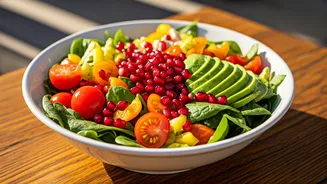
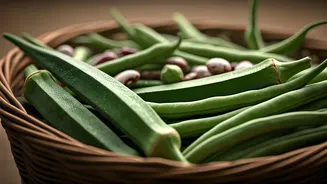
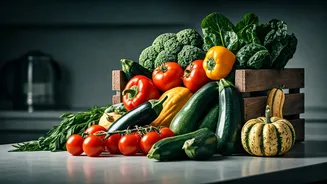
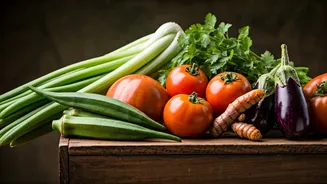
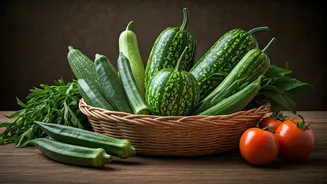
This is where your bowl truly comes to life with colour, crunch, and a wealth of vitamins and minerals. Aim to “eat the rainbow” by incorporating a variety of vegetables. You can add them in any form you like: raw, steamed, roasted, or sautéed. Think sliced cucumbers, grated carrots, and cherry tomatoes for a fresh, crunchy element. Roasted broccoli, cauliflower, bell peppers, or zucchini add a smoky depth. A simple kachumber salad or a handful of pickled onions can provide a zesty, tangy kick. Don't forget leafy greens! A handful of baby spinach, rocket, or chopped coriander and mint not only add nutrients but also fresh, vibrant flavour. The more colours you add, the wider the range of antioxidants you're consuming.
Step 4: The Finishing Touches
The final layer is all about flavour, texture, and healthy fats. This is what elevates your bowl from simply a collection of ingredients to a cohesive, crave-worthy meal. A drizzle of a simple dressing—like a lemon-tahini sauce, a mint-yoghurt chutney, or just a splash of high-quality olive oil and lemon juice—can tie everything together. For crunch and healthy fats, add a sprinkle of toasted pumpkin seeds, sunflower seeds, sesame seeds (til), or a few chopped almonds or walnuts. A spoonful of tangy pickle (achar), a dollop of creamy yoghurt (dahi), or a slice of avocado can add the final touch of indulgence and flavour. Don’t be afraid to experiment with spices and herbs to customise the bowl to your exact liking.