





The Soul of the Village: The 'Tasca'
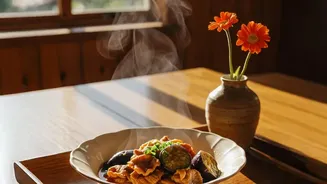
Forget fine dining; the real culinary heart of Portugal beats in its 'tascas'. These are small, often family-run taverns where recipes have been passed down through generations. Don't expect fancy decor—paper tablecloths, tiled walls, and a television
in the corner are common sights. The charm is in the authenticity and the lively, unpretentious atmosphere. Tascas are where locals gather for lunch, and the experience feels less like a restaurant and more like being a guest at a bustling family meal. Look for unassuming exteriors and handwritten menus, often scrawled on a chalkboard. These are the signs you've found a place that serves honest, home-style cooking.
Decoding the 'Prato do Dia'
One of the best ways to eat like a local is to order the 'prato do dia', or dish of the day. Offered in most tascas and local cafés, this is typically a set lunch menu that is both delicious and incredibly affordable. For a set price, you'll often get a soup, a main course, a drink (sometimes including house wine), and coffee. The menu changes daily, reflecting the freshest ingredients available at the market that morning. This isn't a 'tourist menu'; it's how working locals eat a high-quality, freshly cooked meal. Following the 'prato do dia' is a direct route to the soul of everyday Portuguese food.
A Taste of the Land: Regional Stars
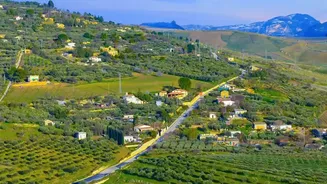
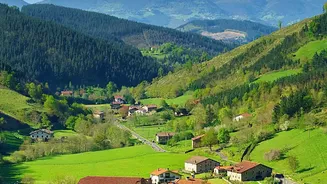
Portuguese countryside cuisine is fiercely regional. In the Alentejo, a vast agricultural heartland, the food is defined by golden plains and ancient olive groves. Here, you’ll find dishes built around bread, herbs, and the famous acorn-fed Iberian black pig, or 'porco preto'. Try 'Carne de Porco à Alentejana', a unique surf-and-turf dish combining marinated pork with clams. Further north, in the mountains of the Beiras or the green Minho region, the food is heartier. Look for 'Chanfana', a slow-cooked goat stew in red wine, or 'Cozido à Portuguesa', a bountiful platter of boiled meats, sausages, and vegetables that varies from village to village. Near the coast, simple 'peixe grelhado' (grilled fish) drizzled with olive oil is a must.
Shopping Like a Local at the 'Mercado'
To see where the magic begins, visit a 'mercado municipal' (municipal market). These bustling indoor or outdoor markets are the heart of local life, where farmers sell produce picked that morning and fishmongers display the day's catch from the Atlantic. Far more than just a place to shop, markets are social hubs. In the Algarve, the market in Olhão is famous for its twin red-brick buildings, one dedicated to seafood and the other to fruits, vegetables, and local sweets. In the Alentejo, weekly farmers' markets in towns like Évora are where you can find homemade bread, local cheeses, and regional olive oils directly from the producers. A visit offers a sensory immersion into the culture and the ingredients that form the foundation of Portuguese cooking.
Essential Bites and Sips
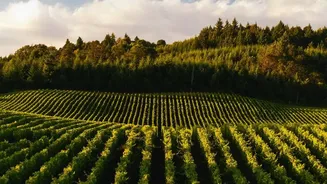
Beyond full meals, the countryside is rich with specific flavours to seek out. Every region has its own cured sausages ('enchidos') and cheeses ('queijos'). Don't miss 'broa de milho', a dense and slightly sweet cornbread that is perfect for sopping up stews. And no food journey is complete without tasting the local wine. In the north, this means 'Vinho Verde', a light, crisp wine that pairs perfectly with seafood. The Alentejo is known for its full-bodied reds, which stand up to the region's rich pork dishes. Even simple snacks tell a story, connecting you directly to the agricultural rhythms and traditions of the place.