


The Common Thread: A Sattvic Philosophy
Across most of India, Navratri fasting is guided by the principle of a 'Sattvic' diet, which aims to purify the body and mind. This ancient practice focuses on foods that are considered pure, natural, and calming. It typically excludes 'tamasic' (heavy
or dulling) and 'rajasic' (overstimulating) ingredients. This is why onion, garlic, common grains like wheat, and non-vegetarian food are widely avoided. The fast is also a nod to seasonal changes; occurring during climatic transitions, a lighter diet is believed to boost immunity and prepare the body for the coming season. Unrefined rock salt, or sendha namak, replaces regular table salt as it is considered purer.
North India: The Hardy Flours of Fasting
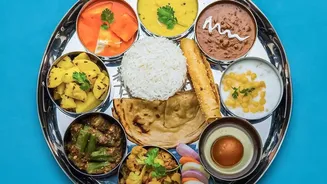
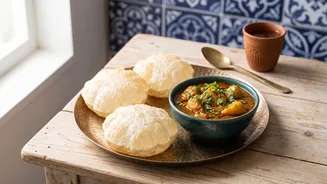
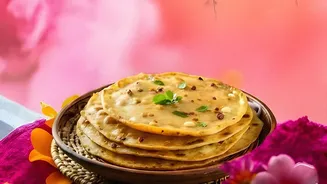
In North Indian states like Punjab, Delhi, and Uttar Pradesh, the Navratri plate is defined by specific fasting flours. Buckwheat flour (kuttu ka atta) and water chestnut flour (singhara ka atta) become staples. These pseudo-grains are used to make puris, parathas, and cheelas, often served with a simple, flavourful potato curry cooked without onion or garlic. Dairy products like paneer and yogurt are also central, offering protein and balance. The reliance on these ingredients is a direct reflection of the region's agricultural produce and the need for energy-dense foods that adhere to fasting rules. Sabudana (tapioca pearls) also features in dishes like khichdi, providing a much-needed energy boost.
West India: A Medley of Flavours and Textures
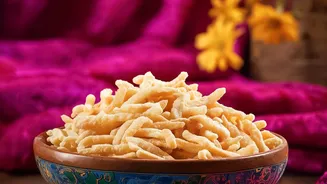
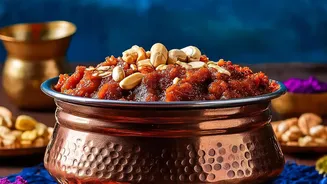
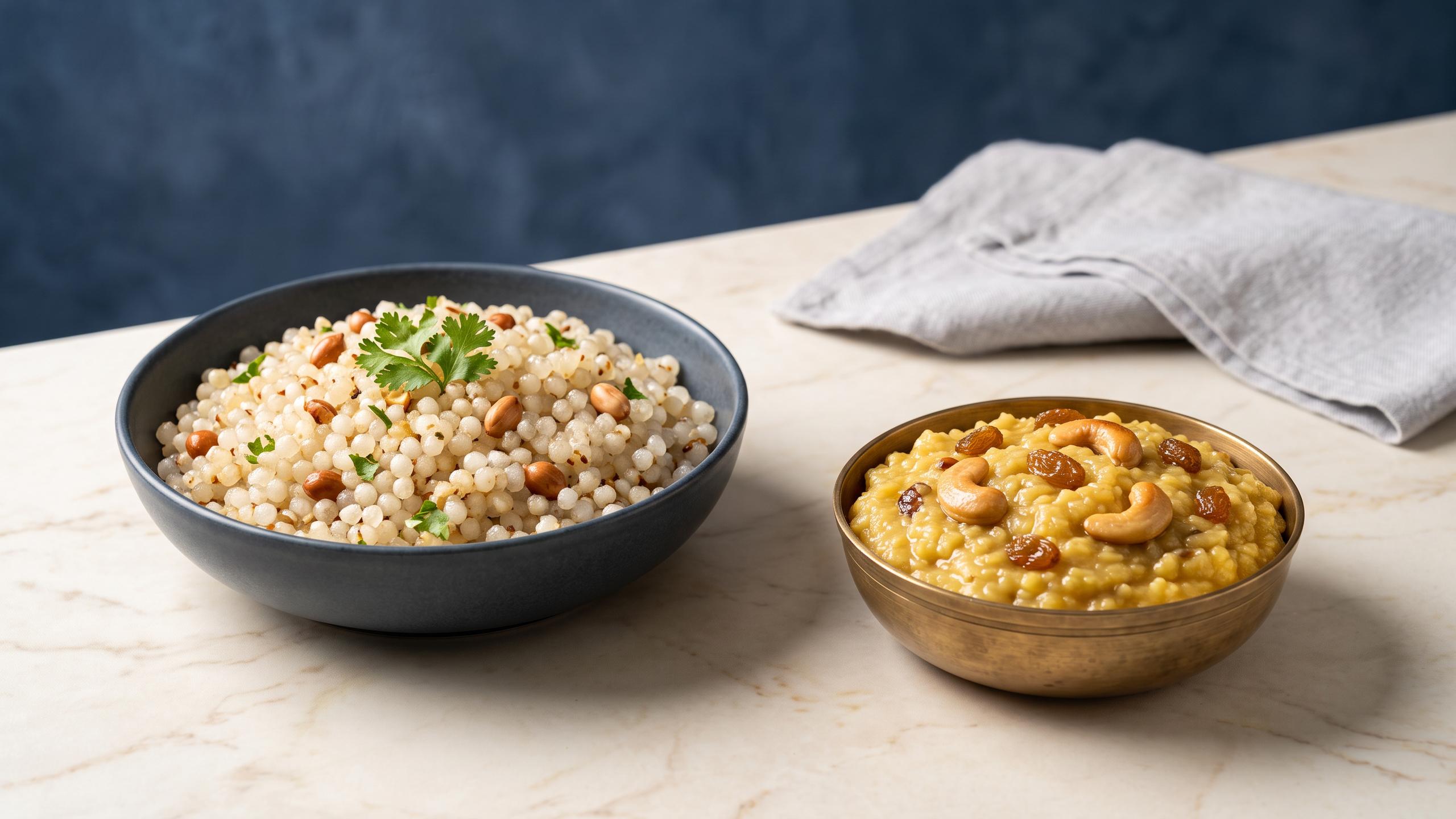
In Gujarat and Maharashtra, Navratri fasting cuisine, or 'farali' food, is a delightful exploration of textures. Sabudana is the undisputed star here, appearing in the iconic Sabudana Khichdi—a savoury mix of tapioca pearls, roasted peanuts, potatoes, and mild spices. You will also find crispy Sabudana Vadas, which are deep-fried patties perfect for an evening snack. Amaranth (rajgira) flour is used to make puris and sheera (a sweet pudding). The food here strikes a unique balance of sweet, sour, and spicy, reflecting the region's culinary palate. It is designed to be light enough for a fast yet substantial enough to provide energy for the vibrant Garba and Dandiya dances that define Navratri in this region.
East India: A Feast of Devotion
In West Bengal and other eastern states, the period is celebrated as Durga Puja, and the approach to food is starkly different. Instead of fasting, it is a time for feasting. The goddess is seen as a beloved daughter returning home, and she is welcomed with the best of culinary offerings. While some families may observe vegetarianism on specific days, the festival is largely a gastronomic celebration. Community kitchens at Puja pandals serve 'bhog'—a blessed vegetarian meal, often featuring Khichuri (a rice and lentil dish), labra (a mixed vegetable curry), and various fried items. However, at home, festive meals often include fish and meat preparations, which are integral to Bengali celebratory cuisine.
South India: A Celebration of Sundal and Sweets
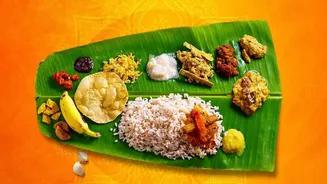
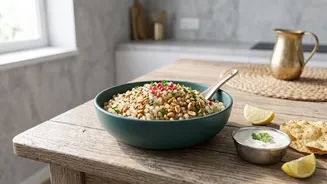
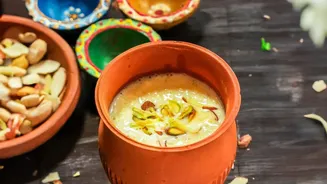
In the southern states of Tamil Nadu, Karnataka, and Andhra Pradesh, Navratri is a time for social visits and artistic displays, most notably the 'Golu' or 'Bommai Kolu'—an arrangement of dolls. Food plays a crucial role in this social fabric. While rigorous fasting is less common, households prepare food without onion and garlic. Each day, a different 'sundal' is prepared and offered as prasadam to guests. Sundal is a simple and protein-rich dish made from legumes like chickpeas, black-eyed peas, or lentils, tempered with mustard seeds, curry leaves, and fresh coconut. Alongside sundal, sweet offerings like Payasam (a milk-based pudding) are also common, showcasing the region's agricultural bounty of rice and lentils.