




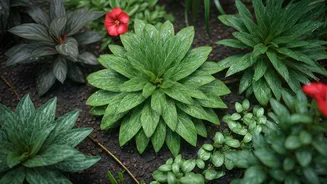


The Monsoon Advantage: Nature's Helping Hand
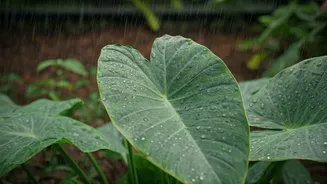
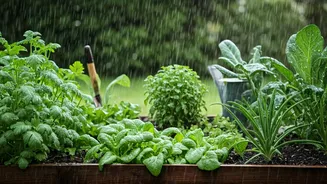
Gardening during the Indian monsoon, which typically runs from June to September, is uniquely rewarding. The rainy season creates an ideal environment for many plants to flourish. [2] The abundant moisture means you'll rarely need to water your plants manually;
a common mistake during this season is actually overwatering. [2, 10] High humidity and cooler temperatures encourage faster growth in many tropical plants. [14] The rainwater itself is beneficial, being a pure, slightly acidic form of water free from the salts and chemicals found in tap water. [14] This period allows plant pores to open up, making them more receptive to nutrients from organic matter like compost or vermicompost. [2] With the right preparation, your balcony can become a lush, green oasis that grows more vigorously than at any other time of year. [2]
Preparation is Key: Drainage and Support
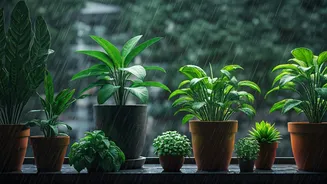
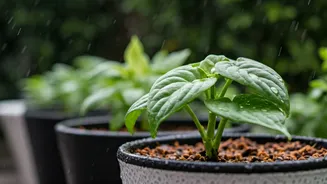
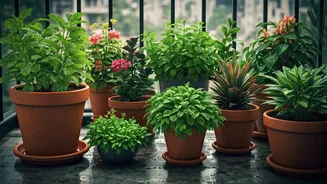
The single most important rule for monsoon gardening is ensuring proper drainage. [2] Excess water must be able to escape to prevent waterlogging, which suffocates roots and leads to rot. [16, 10] Before the heavy rains begin, check that all your pots have multiple, unblocked drainage holes. [3, 15] A good practice is to place a piece of broken pottery or a mesh over the holes before adding soil to prevent clogging. [2] Elevating your pots on bricks, stands, or 'pot feet' is a simple but highly effective trick to improve airflow and allow water to drain freely. [3, 17, 19] For taller plants, provide support with stakes to protect them from strong winds and the weight of rainwater. [3, 5] Finally, it's wise to remove the saucers or drip trays from under your pots during this season, as they can collect stagnant water and become breeding grounds for mosquitoes. [2, 8]
Choosing Your Monsoon Champions
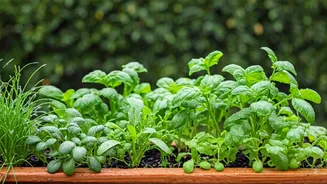
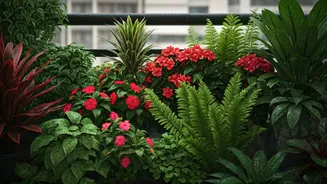
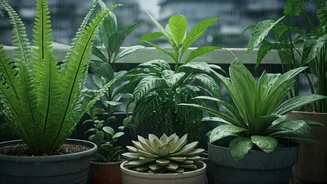
Selecting the right plants is crucial for a thriving monsoon balcony garden. Opt for species that love humidity and can handle moisture. Flowering plants like Hibiscus, Balsam, Periwinkle, and Rain Lilies are excellent choices that bloom profusely during this season. [6, 7, 3] Marigolds are another great option as they are hardy and act as a natural pest repellent. [7] For edible greens, consider planting fast-growing herbs like Mint (Pudina) and veggies like Spinach (Palak). [3] Many Indian gardeners also sow vegetables like okra (bhindi), cucumber (kheera), and various gourds as the monsoon begins. [2] Foliage plants such as Ferns, Money Plant (Pothos), and Snake Plants also thrive in the humid conditions and are perfect for adding lush greenery to shadier spots on your balcony. [2, 3, 6]
The Right Mix: Soil and Nutrients
Container soil needs to be well-draining to cope with the monsoon downpours. Avoid using just plain garden soil, which can compact and retain too much water. [8] A healthy potting mix for the rainy season should be light and airy. A good formula is a mix of garden soil, compost, and a material that improves drainage, such as sand, cocopeat, or perlite. [3, 8] A recommended blend is 40% compost, 40% garden soil, and 20% cocopeat or sand. [3, 8] While the rain provides water, it can also leach nutrients from the soil. [2] It's a good idea to apply a light top dressing of organic compost or vermicompost every few weeks to keep your plants nourished. [2] Avoid using chemical fertilisers, which can easily get washed away or burn the roots in moist soil. [14]
Watch-Outs: Pests and Diseases
The high humidity and damp conditions of the monsoon are ideal breeding grounds for pests and fungal diseases. [9, 10] Common problems include fungal infections like powdery mildew and root rot, as well as pests like aphids, mealybugs, slugs, and snails. [9, 16] Regular inspection is your best defence. [16] Check the undersides of leaves for any signs of infestation. Ensure good air circulation by not overcrowding your plants. [5] If you spot pests, use natural deterrents. A spray made from neem oil is highly effective against common pests like aphids and whiteflies. [3, 9] For fungal issues, prune any dead or yellowing leaves to improve airflow and reduce the risk of disease spreading. [10]