








The Deception of the 'Health Halo'
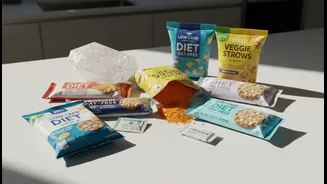
Food packaging that boasts terms like “baked, not fried,” “low-fat,” or “all-natural” creates what experts call a “health halo.” This marketing gives you the perception that a food is good for you, lowering your guard and making you feel less guilty about
consumption. Studies show that when a product has a health claim on the front, people are less likely to check the actual nutrition label on the back. This perceived healthiness can encourage you to eat more than you otherwise would, as you misjudge the product's true nutritional content. In reality, many of these snacks are still ultra-processed foods, high in salt, refined carbohydrates, and additives engineered for maximum palatability, not health.
Hijacking Your Brain’s Reward System
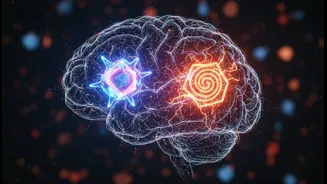
Our brains are wired with a reward system that releases a feel-good chemical called dopamine to encourage survival behaviours, like eating energy-dense foods. Food scientists have learned to exploit this. Ultra-processed snacks are often “hyper-palatable,” meaning they contain an irresistible combination of fat, sugar, salt, and carbohydrates that our brains are hardwired to seek. These combinations activate the brain's reward regions far more intensely than natural foods do. This creates a powerful, rewarding experience that your brain wants to repeat, driving you to keep eating long after your physical hunger has passed. It's not about taste; it's about creating a craving loop you can't easily shut off.
The Flavour-Calorie Mismatch
A key part of the problem with baked chips and diet snacks is a sensory mismatch. Your brain expects a certain caloric payoff based on the intensity of a food's flavour. These snacks deliver a big hit of saltiness or artificial sweetness but often lack the corresponding calories, fat, or nutrients the brain anticipates. This discrepancy confuses your body’s satiety signals — the internal mechanisms that tell you you're full. Your brain doesn't get the message to stop eating because the expected energy was never delivered, leading you to keep reaching for more to satisfy the unresolved craving.
Melt-In-Your-Mouth and Other Tricks
Texture plays a huge role in this cycle. Many baked crisps and airy puffs exhibit what food scientists call “vanishing caloric density.” They dissolve so quickly in the mouth that the brain is tricked into thinking fewer calories have been consumed. This rapid melt-down bypasses the signals that would normally register fullness, encouraging you to eat more. Furthermore, many of these snacks contain additives like maltodextrin, a processed carbohydrate powder that can cause sharp spikes and subsequent crashes in blood sugar. These blood sugar fluctuations can increase appetite and lead to overeating, further fueling the cycle.