
The Modern Urban Dilemma
Juggling long commutes, demanding work hours, and household chores leaves little energy for elaborate cooking. For many urban dwellers, the choice often boils down to expensive takeaways or quick, often unhealthy, processed foods. Yet, the craving for the authentic,
comforting flavours of a home-cooked meal remains. This is the gap where one-pot cooking steps in, not as a compromise, but as an elegant and efficient solution that honours both tradition and the constraints of a contemporary lifestyle. It's about getting a nutritious, flavourful meal on the table without spending hours in the kitchen or facing a mountain of dishes afterwards.
More Than Just Khichdi
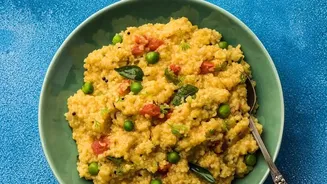
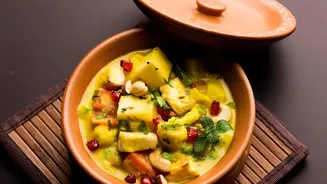
When people think of Indian one-pot meals, khichdi is often the first and only dish that comes to mind. While it is the undisputed champion of this category—a complete meal revered for being nutritious and easy to digest—the world of Indian one-pot cooking is vastly more diverse. Think of fragrant pulaos and biryanis, where rice, vegetables, and proteins are layered and cooked together in a single vessel. Consider regional specialties like Karnataka's Bisi Bele Bath or the hearty Gujarati Dal Dhokli. These dishes are traditionally cooked in pressure cookers or deep kadhais, tools that are staples in most Indian kitchens and perfect for creating complex flavours with minimal fuss.
The Triple Threat: Time, Health, and Flavour
The primary appeal of one-pot cooking is its incredible efficiency. It drastically reduces both active cooking time and, most importantly, the cleanup. This method is also inherently healthy. By cooking grains, lentils, vegetables, and spices together, you create a balanced meal in a single go. The combination of rice and lentils, as seen in khichdi, forms a complete protein with all essential amino acids. Furthermore, cooking everything in one pot allows flavours to meld and deepen in a way that separate cooking cannot replicate. Nutrients that might otherwise be lost in discarded cooking water are retained within the dish, enhancing its nutritional value.
Your One-Pot Culinary Universe
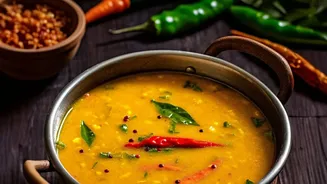
Expanding your one-pot repertoire is easier than you think. Start with simple vegetable pulaos, adding seasonal vegetables and whole spices for aroma. From there, you can explore more complex dishes. Tehri, a flavourful rice and potato dish from Uttar Pradesh, is a wonderful one-pot wonder. South Indian Kootanchoru is another excellent example, combining rice, lentils, and a host of vegetables into a single, satisfying meal. Even dals can be transformed. A dal tadka becomes a one-pot meal by cooking the rice directly in it, a technique often used in modern Instant Pot recipes that can be adapted for a traditional pressure cooker.
Tips for One-Pot Success
To master the art of one-pot cooking, a few tips can go a long way. First, understand your cookware. A heavy-bottomed pot or a pressure cooker is essential for even heat distribution. Second, preparation is key. Have your vegetables chopped, spices measured, and other ingredients ready before you start. This makes the cooking process smooth and prevents burning. Pay attention to the order of ingredients. Hard vegetables like carrots and potatoes go in earlier, while quicker-cooking ones like peas or spinach can be added towards the end. Finally, don't be afraid to experiment. One-pot cooking is forgiving and easily adaptable to what you have in your fridge, making it an excellent way to reduce food waste.