


The Unlikely Protagonist
Let's be honest: upma has an image problem. For years, it has been the subject of countless memes and the reluctant star of hostel mess menus. It’s often unfairly stereotyped as bland, lumpy, or just plain boring. This perception has created one of Indian
cuisine's most enduring and entertaining divides. You are either an upma person or you are not; there is rarely an in-between. The haters decry its texture, while its defenders praise its simplicity and warmth. This very polarity is what makes any moment of validation for upma feel like a victory. When the dish gets praised by a renowned chef, featured on an international food blog, or tops a list of healthy breakfasts, its loyalists don't just nod in agreement—they celebrate.
A Recurring Vindication
So, what is the latest cause for celebration? It’s less about a single event and more about a recurring cycle of appreciation that the internet age has amplified. Every few months, it seems, upma finds its way back into the spotlight. Sometimes it’s a global food ranking site like TasteAtlas including it in a list of best-rated dishes, sparking fierce online debate and a wave of national pride. Other times, it's a nutritionist's viral post extolling its virtues as a low-calorie, high-fibre meal perfect for weight management. These moments serve as a powerful counter-narrative to the jokes. They remind everyone that this simple dish, made from roasted semolina or rava, is a powerhouse of comfort and nutrition. For its fans, these validations are a collective ‘I told you so’ to the world.
More Than Just One Dish
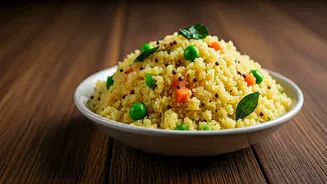
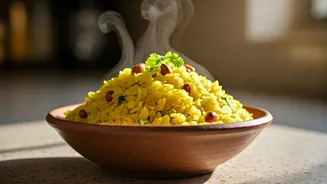
Part of the misunderstanding around upma comes from thinking of it as a monolithic entity. In reality, it’s a highly versatile culinary template with countless regional variations. The most common version is the simple rava upma, golden with turmeric and fragrant with curry leaves, mustard seeds, and asafoetida. But travel across India, and you'll find a world of possibilities. In Tamil Nadu, you might encounter a tangy tomato upma or a savoury semiya (vermicelli) upma. In Karnataka, the ‘Khara Bath’ is a spicier, more vegetable-laden cousin, often served alongside a sweet kesari bath. There's also bread upma, a genius way to use up old bread, and even upma made from millets, oats, or broken wheat. Each version carries the distinct flavour of its region, proving that upma is not one dish, but a whole family of them.
The Breakfast of Comfort and Convenience
Beyond the cultural debates and regional varieties lies a simple truth: upma is one of the most practical dishes in the Indian culinary repertoire. It’s quick, requiring minimal prep and around 15-20 minutes of cooking time. It’s light on the stomach, making it an ideal breakfast or evening tiffin. And it’s incredibly forgiving. Don’t have onions? It’ll still taste good. Have some leftover carrots and peas? Throw them in. This adaptability is its superpower. In the rush of modern life, upma is the dependable friend you can always count on for a warm, filling meal that doesn't demand hours of your time. It’s the taste of home for students living away, the quick fix for busy parents, and the comforting meal for a sick day.
A Permanent Fixture in Our Kitchens
The online jokes and memes will continue, because making fun of upma has become a cultural pastime. But the quiet, steady presence of upma in millions of Indian kitchens remains unshaken. It doesn't need flashy ingredients or complicated techniques to justify its existence. Its worth is proven every morning in households across the country, where it is prepared with love and eaten with satisfaction. The periodic celebrations are just a bonus—a fun reminder that even the most humble dishes deserve their moment of glory.