





First Off, What Is Ambali?
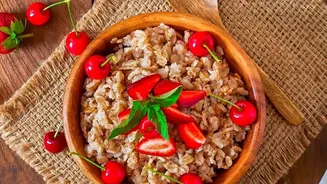
Ambali is a traditional semi-liquid porridge with deep roots in states like Karnataka and Tamil Nadu. It is typically made by cooking finger millet (ragi) flour with water or rice, and then allowing the mixture to naturally ferment overnight. This fermentation
gives it a characteristically subtle sour taste. Often served cool with buttermilk, salt, and perhaps some chopped shallots or green chillies, it has historically been a farmer's meal—a nourishing, cooling, and energy-sustaining drink perfect for hot climates and long days of labour. While recipes vary, its core identity is that of a simple, wholesome, and easily digestible food.
A Nutritional Powerhouse
The primary ingredient, ragi, is a nutritional superstar. Finger millet is one of the richest plant-based sources of calcium, far surpassing other cereals and even milk, making it crucial for bone health. It's also packed with dietary fibre, protein, and essential amino acids. For urban consumers increasingly focused on wellness, ragi's profile is a huge draw. It has a low glycemic index, which helps in managing blood sugar levels, and its high fibre content aids digestion and promotes a feeling of fullness, which can assist in weight management. Furthermore, it is naturally gluten-free, catering to a growing demographic with specific dietary needs.
The Magic of Fermentation
The modern wellness movement's obsession with gut health is a major reason for Ambali's comeback. Before kombucha and kefir became household names, traditional foods like Ambali were delivering probiotics. The fermentation process not only creates beneficial bacteria that support a healthy gut microbiome but also enhances the nutritional value of the millet. Fermentation breaks down anti-nutrients like phytic acid, which can inhibit the absorption of minerals. This means the body can more effectively access the abundant calcium and iron present in the ragi. In a world where 'probiotic' is a powerful buzzword, Ambali stands out as an authentic, natural, and time-tested option.
Nostalgia and the Search for Authenticity
Beyond the health benefits, there's a powerful cultural current at play. Urban Indians are increasingly looking to reconnect with their culinary roots. For many, a dish like Ambali evokes memories of childhood, ancestral homes, and a simpler way of life. This nostalgia is a potent driver of food trends. Diners are tired of generic international fare and are seeking out authentic, regional Indian dishes with compelling stories. Cafes are responding to this demand by platforming heritage recipes, celebrating local ingredients, and offering an experience that feels both comforting and novel. Serving Ambali is a way for an establishment to signal its commitment to tradition while presenting it in a modern, accessible format.
Smart Business for Modern Cafes
Adding Ambali to the menu is also a savvy business decision. It allows cafes to differentiate themselves in a crowded market. It caters directly to the health-conscious consumer, a rapidly growing segment willing to pay a premium for nutritious options. The ingredients are relatively inexpensive and locally sourced, which can lead to healthy profit margins. It also aligns with the global trend of 'ancient grains' and 'superfoods,' giving cafes a marketable story to tell on social media and their menus. By offering a modern take on a traditional food, cafes can attract a wide range of customers, from older patrons seeking familiar flavours to younger diners curious about a 'new' health drink.