





Understanding the Monsoon Risks
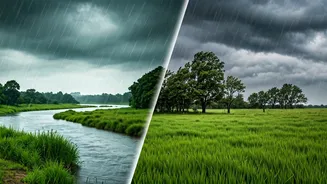
The allure of a rain-soaked Kerala is undeniable, but the season demands respect. Heavy and persistent rainfall, especially in the Western Ghats, creates significant risks. Landslides are a major hazard in hilly districts like Idukki, Wayanad, and parts
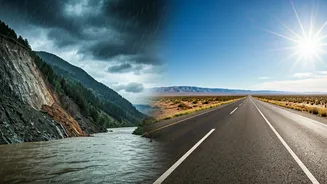
of Kozhikode and Kottayam. These regions have steep slopes and soil that can become unstable after intense downpours, leading to road blockages and, in the worst cases, life-threatening situations. Flash floods can occur with little warning, and waterlogging is common in low-lying areas, disrupting travel. As of late June 2026, the India Meteorological Department (IMD) and the Kerala State Disaster Management Authority (KSDMA) have issued orange and yellow alerts for numerous districts, indicating very heavy rainfall is expected. These alerts signify a need for heightened vigilance from both residents and travellers.
Plan Ahead: Check and Double-Check
Spontaneity has its charms, but a monsoon trip to Kerala is not the time for it. Your first step should be to monitor official sources. Before and during your trip, regularly check weather forecasts from the IMD and advisories from the KSDMA. These bodies provide district-specific alerts, including warnings for heavy rain, thunderstorms, and rough seas. Local authorities often close roads or tourist spots like waterfalls for safety reasons during intense spells, so having a flexible itinerary is key. Don't rely solely on travel blogs for real-time information; tune into local news channels and follow official social media handles for the latest on-ground situation. You can also call the 24-hour district and taluk control rooms or the toll-free emergency numbers 1077 and 1070 for assistance.
Choosing Safer Routes and Destinations
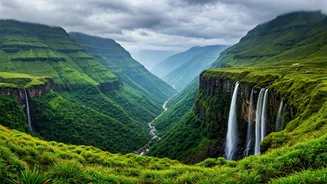
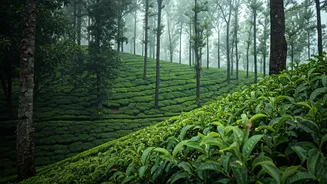
Strategic destination selection can make all the difference. While the misty hills of Munnar and Wayanad are tempting, they are also among the most vulnerable to landslides. Authorities frequently advise tourists to postpone visits to hill stations until the weather improves. Consider exploring areas in the plains or the backwaters, which are generally safer, though still prone to waterlogging. Destinations like Kumarakom, Alleppey (for its backwaters), and parts of Kollam can offer a beautiful monsoon experience with relatively lower risk. If you must travel to hilly areas, stick to major roads, avoid travelling at night, and be prepared for potential delays. Some routes, like the ghat roads, are particularly susceptible to closures from fallen trees or mudslides.
On the Road: Safe Driving and Transport
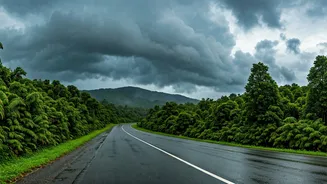
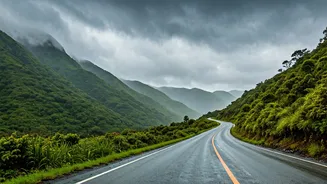
If you are driving, vehicle preparation is non-negotiable. Ensure your tyres have good tread, and that your brakes and wipers are in excellent condition. Wet, winding roads demand cautious driving. Reduce your speed, maintain a safe distance from the vehicle ahead, and never attempt to cross flooded roads, as the depth and current can be deceptive. It’s also wise to avoid parking your vehicle in areas at risk of falling trees or landslides. For public transport users, be aware that heavy rains can lead to significant delays or cancellations of bus and train services. Always have a backup plan and keep your phone fully charged. A power bank is an essential item in your daypack.
Essential Packing and Health Precautions
Packing correctly will enhance both your comfort and safety. Sturdy, waterproof footwear with good grip is a must to navigate slippery surfaces. Carry a reliable raincoat and umbrella. It’s also practical to use waterproof bags or covers to protect your electronics and important documents. From a health perspective, the monsoon can increase the risk of water-borne diseases. Drink only bottled or boiled water and be mindful of where you eat. Carry a basic first-aid kit with antiseptic wipes, bandages, and any personal medications. Mosquito repellent is also advisable. With these precautions, you can fully immerse yourself in the rejuvenating spirit of the Kerala monsoon without compromising your well-being.