





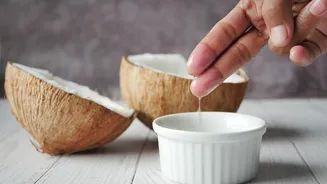
The Foundation: Ayurvedic Hair Oiling
In Ayurveda, oiling is not just about adding shine; it's a vital practice called 'abhyanga' for nourishing the scalp and hair. Ayurvedic oils, often infused with potent herbs, create a protective barrier around each hair strand. This coating helps shield
hair from environmental aggressors like UV rays, wind, and pollution, which can strip away moisture and cause brittleness. Massaging the oil into the scalp also improves blood circulation, strengthening the hair follicles at their source. This improved nutrient flow is believed to reduce hair fall and promote healthier, more robust growth.
Key Oils for Weather Protection
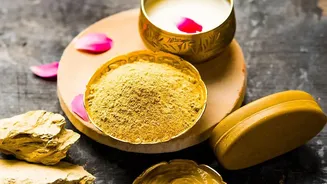
Different oils offer unique benefits for tackling weather-related stress. Coconut oil is prized for its cooling properties, making it ideal for the hot summer months to soothe the scalp and prevent heat damage. Amla, or Indian gooseberry, is a powerhouse of Vitamin C and antioxidants that protect hair from oxidative stress and environmental damage. For strengthening roots and combating hair loss aggravated by seasonal changes, Bhringraj, known as the 'king of herbs' for hair, is highly recommended. These oils work by deeply moisturising the hair, sealing the cuticle to prevent moisture loss and reduce frizz, a common issue in humid weather.
Your Simple DIY Protective Hair Oil
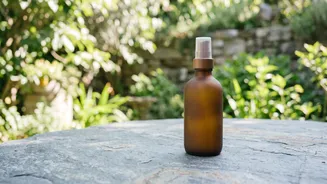
Creating your own Ayurvedic hair oil is simple. Start with a base of 1/2 cup of a carrier oil like coconut or sesame oil. Gently warm the oil in a pan on low heat—do not let it boil. Stir in one tablespoon of an herbal powder like Amla or Bhringraj. Let it simmer for 5-10 minutes for the herbs to infuse the oil. Allow the mixture to cool completely, then strain it into a glass bottle. For a multi-herb blend, you can add ingredients like dried hibiscus flowers or fenugreek seeds to the infusion. Apply this oil to your scalp and hair, leave it on for at least 30 minutes, and then proceed to wash.
The Complement: Cleansing Herbal Rinses
While oils nourish and protect, herbal rinses cleanse and restore balance without the harsh stripping effects of some chemical shampoos. After oiling, a gentle cleanse is necessary to remove excess oil and impurities. An herbal rinse, used after shampooing, acts as a final, clarifying step. These infusions can address specific scalp issues that are often worsened by weather, such as oiliness in humidity or dandruff in dry cold. They help to close the hair cuticles that were opened during washing, which enhances shine and reduces frizz.
Powerful Herbs for Your Rinse
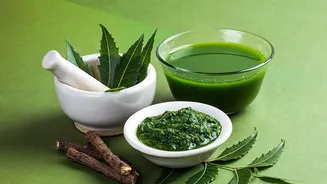
Neem is a star ingredient for herbal rinses due to its potent antibacterial and antifungal properties, making it excellent for preventing scalp infections that can arise in damp, monsoon weather. Hibiscus flowers and leaves are natural conditioners, rich in amino acids that nourish hair, improve softness, and promote a healthy shine. A rinse made from steeping hibiscus flowers can help manage frizz and make hair more manageable. For a simple yet effective rinse, boil a handful of neem leaves and a few hibiscus flowers in water, let it cool, and strain. Use this water as the final rinse after washing your hair.
How They Work in Synergy
The magic of this Ayurvedic routine lies in its two-step harmony. The pre-wash oiling treatment deeply nourishes, moisturises, and forms a protective shield on the hair and scalp. This ensures that when you wash your hair, the natural oils are not completely stripped away. The post-wash herbal rinse then gently cleanses any remaining residue while treating the scalp and sealing the hair cuticle for a smooth, glossy finish. The oil provides deep conditioning and protection, while the rinse clarifies and adds vitality. Together, they create a comprehensive system that keeps hair resilient against the daily challenges of severe weather, from the inside out.