






The Golden Ticket: Securing Your Permit
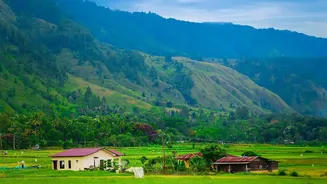
Before you can witness the stunning paddy fields of the Apatani tribe, you need the right entry permit. This is not just a formality; it is a legal requirement to enter Arunachal Pradesh, a system in place to protect the region's sensitive ecology and
indigenous cultures. For Indian citizens, this document is the Inner Line Permit (ILP). Every Indian citizen who is not a resident of Arunachal Pradesh needs one. The process is now quite streamlined and can be completed online through the official government portals. You will need a valid ID proof and a passport-sized photograph. Plan to apply at least a few days before your trip, as processing can take 2-5 working days, especially during peak seasons like the Ziro Festival of Music.
A Note for International Travellers
For foreign nationals, the required document is different: a Protected Area Permit (PAP). Unlike the ILP, the PAP application process is more involved. Generally, foreign tourists must travel in a group of at least two people and apply through a government-approved local tour operator. This operator handles the application on your behalf, which can take several weeks to process. While solo travellers can sometimes get a PAP for Ziro, their travel may be restricted to specific tourist circuits. The permit fee is around USD 30-50 per person.
More Than a Room: The Homestay Experience
To truly experience the Apatani way of life, skipping a conventional hotel for a local homestay is highly recommended. Ziro has a thriving culture of eco-friendly homestays, often run by families and built with traditional materials like bamboo. These stays offer an unparalleled opportunity to immerse yourself in the local culture, share meals, and learn about the daily routines that have shaped this valley. Staying in a homestay also ensures that your tourism money directly supports the local community, contributing to the sustainable development of the region.
The Unwritten Rules of Respect
Respecting local rules goes beyond carrying the right papers. In Ziro, it is about being a mindful guest. Many homestays have their own guidelines, which often include practices like water conservation and minimising plastic waste. As a visitor, you are encouraged to follow these. Local organisations are actively working to promote sustainable tourism practices that preserve the valley's cultural and natural heritage. This includes responsible waste management and a ban on single-use plastics at events like the Ziro Festival of Music.
Cultural Etiquette in the Valley
The Apatani people have a rich cultural heritage they are proud to share. When you visit their villages, always be respectful. It is considered polite to ask for permission before photographing people, especially elders, or their homes. While the Apatani people are known for their hospitality, it is important to remember that you are a visitor in their living space. Hiring a local guide can greatly enhance your understanding of their customs and traditions, such as the significance of their nature-worshipping festivals like Dree and Myoko. Engaging with the culture respectfully ensures your visit is a positive experience for both you and your hosts.
Why It Matters
Ziro Valley’s landscape is a testament to a unique system of co-existence between man and nature. The Apatani tribe's paddy-cum-pisciculture system, an ingenious method of farming rice and fish together, is a marvel of ecological wisdom. This delicate balance is what earned the valley its nomination as a UNESCO World Heritage Site. Following the rules—both official and cultural—is not a burden; it is a visitor's contribution to preserving one of India's most unique cultural landscapes for generations to come.