



The Journey Is the Destination
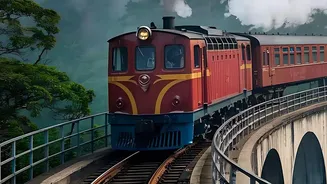
For a new generation of travelers, the appeal lies less in arriving quickly and more in the experience of getting there. This philosophy of 'slow travel' is at the heart of the trend. Routes like the Nilgiri Mountain Railway to Ooty are not just a means
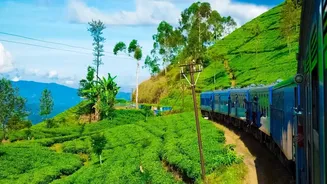
of transport; they are the main event. The five-hour journey on this UNESCO World Heritage line is deliberately unhurried, allowing passengers to soak in the changing landscape as the train climbs nearly 2,000 metres. It’s a conscious choice to disconnect from the digital rush and connect with the physical world, offering a front-row seat to the unfolding beauty of the Western Ghats. The slow pace turns a simple trip into a mindful experience, where observing the world from a window becomes an attraction in itself.
Maximum Vistas, Minimum Spends
A significant driver of this trend is simple economics. With rising costs for other forms of travel, train journeys offer an unbeatable combination of affordability and experience. A ticket for a scenic ride, such as the one across the iconic Pamban Bridge to Rameswaram, can be remarkably inexpensive, often costing a fraction of a taxi fare for a similar distance. This allows young travelers, who are often on a tight budget, to stretch their funds further. Reports on Gen Z travel habits show a clear preference for experiences over luxury accommodation, with many willing to cut back on other expenses to fund their adventures. These train routes deliver a high-value experience—transportation and a memorable activity rolled into one—making them a perfect fit for the financially savvy explorer.
A Window to Unfiltered Landscapes
South India's scenic train routes offer a glimpse into landscapes often inaccessible by road or air. The Kollam-Sengottai line, for instance, cuts through the heart of the Western Ghats, taking passengers through dense forests, past waterfalls, and over historic bridges that are marvels of colonial-era engineering. Similarly, the Konkan Railway, which connects parts of Maharashtra, Goa, and Karnataka, is renowned for its journey through lush valleys, numerous tunnels, and dramatic viaducts, especially during the monsoon season. This journey provides an unfiltered view of rural life, from coastal villages and paddy fields in Kerala to the coffee plantations of Karnataka. For young travelers seeking authentic experiences, these train journeys serve as a moving portal to the region's diverse culture and natural heritage.
Curated for the Social Media Age
While the experience is timeless, its modern appeal is undeniably amplified by social media. The iconic blue carriages of the Nilgiri 'toy train' against a backdrop of green tea plantations are instantly recognizable and highly 'Instagrammable'. The dramatic crossing of the Pamban Bridge, with the turquoise sea stretching out on both sides, provides a visual that is hard to beat. Travel vloggers and influencers have flocked to these routes, showcasing their cinematic beauty to millions. The famous song "Chaiyya Chaiyya" being filmed atop the Nilgiri train has cemented its place in pop culture, adding another layer of appeal for a generation that connects with cultural landmarks. This visual currency makes the journey not just a personal memory but a shareable story.