




So, What Is Sleep Tourism?
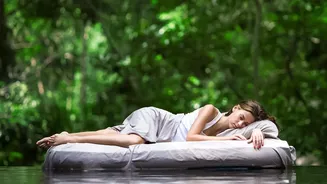
At its core, sleep tourism is a type of travel where the main goal is to improve your sleep quality. This isn't just about catching a few extra hours in a hotel bed. It’s a curated experience designed to reset your body's clock and calm your nervous system.
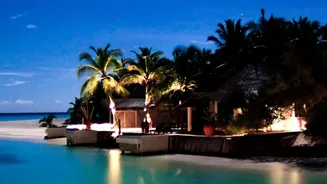
Forget jam-packed itineraries; the agenda here is rest. These vacations often feature stays at hotels or resorts with specialized amenities like soundproofed rooms, blackout curtains, pillow menus, and custom mattresses. Some programs go even further, offering high-tech sleep tracking, consultations with sleep coaches, guided meditations, and workshops on breathing techniques. The entire environment is engineered for profound relaxation, making sleep the main attraction, not an afterthought.
A Direct Response to Millennial Burnout
It’s no coincidence that this trend is resonating deeply with millennials. This is a generation that entered the workforce during economic recessions, normalized “hustle culture,” and is now navigating the long-term effects of a pandemic that blurred the lines between work and home. Studies consistently show that millennials report high levels of burnout and stress. For many, the constant connectivity and pressure to be “on” have led to a collective sleep deficit. According to a Gallup poll, a majority of Americans—57%—say they would feel better if they got more sleep. Sleep tourism offers a direct antidote, providing an escape not just from a location, but from the habits and pressures that disrupt rest in the first place.
The New Definition of Luxury
For decades, luxury travel meant opulence, excess, and exotic destinations. Today, for an overwhelmed generation, the ultimate luxury is intangible: quiet, time, and genuine peace. Wellness has become a major priority, with younger generations driving a significant portion of the multi-trillion-dollar global wellness market. Sleep tourism sits at the intersection of this shift. Instead of a flashy souvenir, the takeaway is a reset nervous system. These trips redefine a successful vacation not by how much you did, but by how deeply you recovered. It represents a cultural pivot where the most valuable commodity isn't what you can buy, but the feeling of being truly rested.
What Does a Sleep Vacation Actually Look Like?
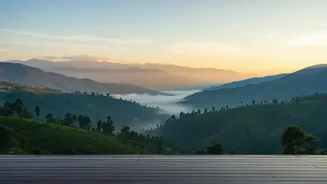
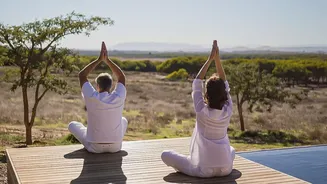
The experience can range from a simple, dedicated stay to a comprehensive, medically-guided retreat. Many hotels now offer “sleep packages” that might include sleep-inducing spa treatments, menus with foods rich in magnesium and melatonin, and tech-free zones. More intensive programs, sometimes found at dedicated wellness clinics, might involve a multidisciplinary approach with sleep medicine specialists who diagnose underlying issues. Other popular activities include yoga, sound baths, and spending time in serene natural settings, like a forest or desert, to reconnect with natural rhythms. The global sleep tourism sector is already a massive industry, with forecasts predicting hundreds of billions in further growth, signaling a strong and sustained demand for rest-based travel.