





A Menu Full of Memories
Walk into a trendy cafe in Mumbai or Bengaluru, and you might notice something familiar. It's not just the exposed brick or the artisanal coffee. It's the menu, which is increasingly starting to look like a page from your childhood scrapbook. We're seeing
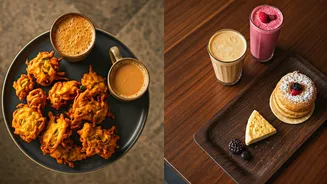
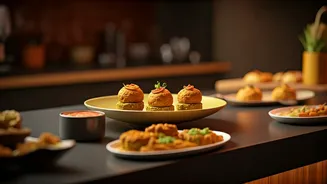
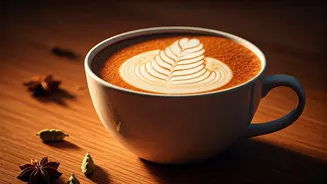
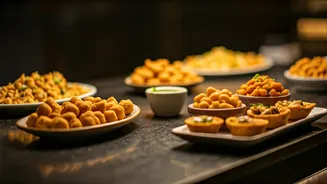
gourmet Maggi topped with exotic cheeses, cheesecakes made with Parle-G biscuits, and sophisticated cocktails infused with the flavour of Rooh Afza. This trend goes beyond simple fusion food; it's a deliberate and strategic effort to tap into the powerful emotion of nostalgia. Dishes that were once humble household staples are being reinvented with premium ingredients and modern culinary techniques. The goal isn't to replace the original but to present a creative, upscale version that feels both new and deeply comforting.
The Psychology of Comfort Cravings
So, why is this happening now? The answer lies in the psychology of comfort food. Tastes and smells are potent triggers for memory, capable of transporting us back to simpler, happier times. In a world that often feels fast-paced and uncertain, these familiar flavours provide a sense of emotional safety and grounding. Research shows that nostalgia makes us feel good, activating parts of the brain associated with reward and positive emotions. For many young adults living away from home, a dish that tastes like childhood offers a unique emotional satisfaction that other foods can't match. Cafes are tapping into this deep-seated need for connection and reassurance, offering a taste of home in a contemporary setting.
Designed for the Digital Age
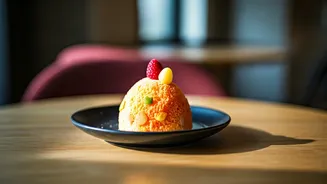
This trend isn't just about taste; it's also about visuals. In the age of 'camera eats first,' the aesthetic appeal of a dish is as important as its flavour. Cafes are consciously designing these nostalgic creations to be Instagram-worthy. The vibrant yellow of a mango dessert, the artful swirl of a reinvented dal, or the dramatic layering of a fusion thali are all engineered to stop you from scrolling. Social media has become the new word-of-mouth, with 84% of consumers using it to discover new restaurants. A single viral Reel or a beautifully composed photo can turn a reimagined snack into the city's must-try item, driving footfall and building brand identity. The food itself has become a powerful marketing tool.
Authenticity vs. Gimmickry
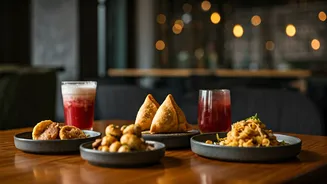
While the trend is booming, it walks a fine line between authentic homage and fleeting gimmick. Some chefs argue that the focus is shifting towards more honest, soulful cooking that connects with people emotionally rather than relying on theatrics. The most successful creations are those that retain the soul of the original recipe while adding a modern twist. For example, a samosa served with Moradabadi dal or a creative take on dahi vada balances novelty with familiarity. However, when the focus is purely on creating a viral moment, the result can feel flat and unsatisfying. The challenge for cafes is to create dishes that are not only visually appealing but also deliver a genuinely memorable flavour experience that honors the memory it's trying to evoke.