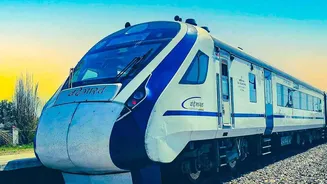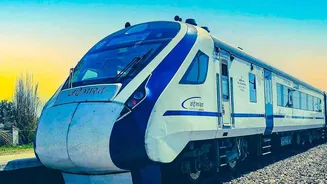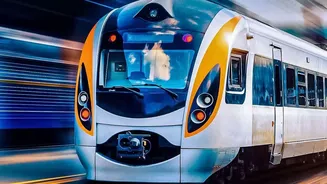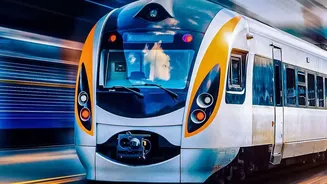






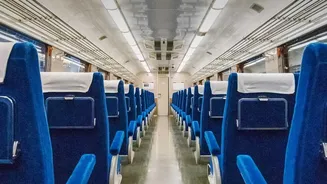
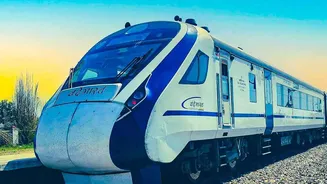
The Vande Bharat Express is known for its speed and premium service, but passengers on three specific sleeper routes are now finding a different meal experience. Here’s a look at the new, shorter menus and why the changes were made.
Which Routes and What Has Changed?
Indian Railway Catering
and Tourism Corporation (IRCTC) has introduced a revised, more compact menu on a trial basis for its Vande Bharat sleeper services. This pilot project, which began on November 1, 2026, affects three key long-distance routes: New Delhi to Varanasi, Mumbai to Bengaluru, and Howrah to Kamakhya. Passengers who opt for catering on these trains will notice a significant reduction in the number of items served. Meals that previously consisted of eight to ten items have been streamlined to feature just four core components.
From a Full Spread to a Focused Meal
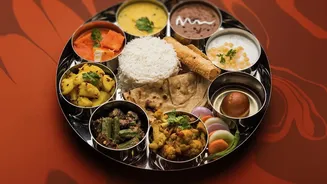
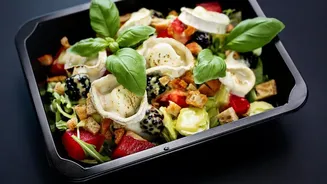
The changes impact all meals from breakfast to dinner. For instance, breakfast options have been simplified to a choice between items like idli-vada, poha, or upma. Items such as soup, omelettes, sandwiches, buttermilk, and chocolates have been removed from the breakfast tray. Similarly, for lunch and dinner, accompaniments like dry vegetables, curd, salad, and pickles have been discontinued. The new standard meal consists of roti or chapati, rice, dal, and a single main vegetable or chicken dish. This has also resulted in a lighter meal tray, with the total weight dropping from around 700-750 grams to a more modest 450-500 grams.
The 'Quality Over Quantity' Rationale
According to railway officials, this move is a direct response to persistent passenger complaints regarding food quality, hygiene, and freshness on long-distance trains. Incidents of stale food, cold meals, and even insects found in dishes prompted a rethink of the catering strategy. The logic is that a more compact, airline-style menu is easier to manage and monitor. By focusing on fewer dishes, IRCTC aims to ensure better consistency and higher quality for each item served. Officials have stated that while the number of items has been reduced, the portion size of the main dishes remains unchanged.
New Kitchens, New Standards
A significant part of this overhaul involves a change in how the food is sourced and prepared. Instead of relying on previous vendors, IRCTC has partnered with large, professional cloud kitchens and established hospitality groups to supply the meals for these routes. Partners include well-known names like TajSATS and the Mayfair Group, which have experience catering for airlines and hotels where consistency is paramount. This shift is intended to bring a higher standard of food safety and preparation to the onboard dining experience. Early reports from IRCTC's West Zone have indicated a 10% drop in catering-related complaints since the new arrangements were put in place.
What This Means for Passengers
For travellers, this change presents a trade-off. While the variety has decreased, the promise is of a safer, more reliable meal. It's important to remember that catering on Vande Bharat trains remains optional, and passengers can choose the 'No Food' option during booking to reduce their ticket fare. The current trial is being closely watched, and IRCTC is evaluating passenger feedback to decide whether this compact menu model will be continued or expanded to other long-distance and premium trains in the future. As of now, there has been no official announcement regarding a reduction in catering charges to reflect the shorter menu.