

The High Cost of a Healthy Diet
The latest 'State of Food Security and Nutrition in the World' (SOFI) report, a joint effort by five UN agencies, brings a dose of reality to the wellness industry. Its core finding is that while global hunger has seen a slight decline, a healthy diet
remains unaffordable for billions. The 2026 report reveals that around 2.69 billion people cannot afford a diet that provides the necessary nutrients for good health. A key reason for this is the high cost of nutrient-dense foods like fruits, vegetables, and animal proteins, compared to the relatively low cost of calorie-dense staples like cereals. This cost barrier is a major focus, highlighting a global challenge that isn't about a lack of food, but a lack of access to nutritious food.
Debunking the 'Premium' Ingredient Myth
For years, marketing has successfully pushed the idea that optimal health comes from exotic and expensive 'superfoods'—think imported berries, specialty seeds, and powders from faraway lands. The UN report indirectly challenges this narrative. It states that the challenge is not just producing calories, but making nutrient-rich foods affordable. Health experts agree that the term 'superfood' is more of a marketing tool than a scientific classification. Good nutrition comes from a balanced and varied dietary pattern, not from a single 'miracle' food. Insisting on premium ingredients can create financial strain and nutritional anxiety, distracting from the core principles of healthy eating which have sustained populations for generations.
The Power of Local and Traditional Foods
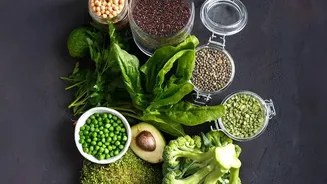
The most empowering message from the UN's findings is the emphasis on local solutions. The report found that building a healthy diet using locally available and culturally appropriate foods can reduce costs substantially—by an average of 34% globally. This is a powerful endorsement of traditional food systems. In an Indian context, this means embracing the nutritional powerhouses already in our kitchens. Millets are a fantastic and affordable alternative to quinoa. Local leafy greens like amaranth (cholai) and moringa (drumstick leaves) are packed with nutrients, often more so than kale. Sabja (basil seeds) offer similar benefits to chia seeds at a fraction of the cost. The report confirms what our grandmothers knew all along: the food that grows around you is often the best for you.
Building a Nutrient-Rich Plate on a Budget
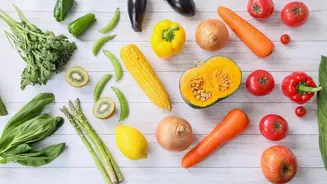
The UN report highlights that government policies have often subsidized staple crops for calories, rather than nutrient-dense foods. As individuals, however, we can make different choices. The goal is a diverse plate. This means including a variety of dals, legumes, seasonal vegetables, and whole grains like brown rice and whole wheat. According to the WHO, a healthy diet is defined by four principles: it should be adequate, balanced, diverse, and moderate. This doesn't require complex calculations or expensive ingredients. It simply means eating a rainbow of fruits and vegetables, choosing whole grains over refined ones, and incorporating lean proteins. Simple meals like dal-rice-sabzi are a perfect example of a complete and nutritious meal that doesn't break the bank.
Nutrition Is a Right, Not a Luxury
Ultimately, the 2026 UN nutrition report is a call to action. It urges a shift in focus from high-cost, exclusive ingredients to affordable, accessible, and sustainable food systems for all. A major finding is that 70-75% of the cost of healthy food is generated after it leaves the farm, in areas like logistics, transportation, and storage. Investing in this infrastructure to support local food production is key to making healthy diets more affordable. For consumers, the report is a reassurance. It validates the simple, time-tested wisdom of eating a varied diet of whole foods. It’s a reminder that health is not a product you can buy, but a result of consistent, sensible choices that are often already within our reach and budget.