






A Tale of Two Brews
On the surface, Kanji and Sol Kadhi could not be more different. One is a pungent, earthy, deep purple ferment from North India, traditionally made with black carrots and mustard seeds. The other is a soothing, creamy pink drink from the Konkan coast,
crafted from coconut milk and the tart kokum fruit. For generations, they have been staples in Indian homes—Kanji as a winter probiotic and Sol Kadhi as a post-meal digestive. Now, after years of being considered rustic or old-fashioned, they are finding a new audience in the heart of India’s busiest cities, turning up on menus in trendy cafes as patrons seek authentic, healthful alternatives to mass-market drinks.
Kanji: The Fermented Powerhouse
The North Indian drink known as Kanji is a masterclass in fermentation. Traditionally prepared during the winter months and especially around the festival of Holi, its main ingredient is the black carrot, which gives the drink its signature dark hue. These carrots are chopped and placed in a large glass or ceramic jar with water, salt, red chilli powder, and coarsely ground mustard seeds. The jar is then left in the sun for several days, allowing natural lactic acid fermentation to occur. This process creates a beverage that is tangy, sour, and slightly pungent from the mustard. Far from a simple thirst-quencher, Kanji has always been valued for its digestive benefits, packed with probiotics that support gut health. It is often consumed on its own or with savoury snacks like vada.
Sol Kadhi: The Coastal Cooler
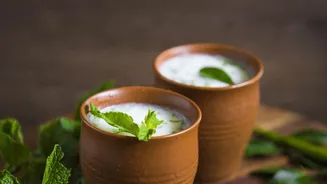
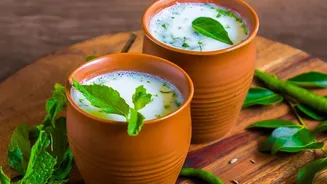
Travel down to the western coast, particularly Goa and Maharashtra, and you will find Sol Kadhi, a drink that embodies the region's flavours. Its beautiful mauve-pink colour comes from kokum, a sour fruit native to the Western Ghats. The dried peels of the fruit are soaked in water to release their tart essence, which is then blended with freshly extracted coconut milk. The result is a uniquely refreshing beverage that is simultaneously creamy, tangy, and subtly spiced with hints of garlic or green chilli. Traditionally served after a spicy seafood meal, Sol Kadhi is renowned for its cooling properties and its ability to soothe the stomach and aid digestion, acting as a natural antacid. It is a perfect example of Ayurvedic wisdom embedded in regional cuisine.
The Modern Wellness Connection
So, why are these age-old drinks suddenly appearing in urban cafes? The answer lies in the global shift towards wellness and gut health. As consumers become more educated about the microbiome, fermented foods and drinks have transformed from a niche interest into a mainstream phenomenon. Words like 'probiotic' and 'gut-friendly' now hold significant currency. Kanji, as a naturally fermented beverage, and Sol Kadhi, with its digestive properties, fit perfectly into this narrative. They are being rediscovered not just as traditional recipes but as 'functional beverages'—drinks that offer tangible health benefits beyond simple hydration. They are vegan, gluten-free, and made with natural ingredients, checking all the boxes for the modern health-conscious consumer.
More Than Just a Health Trend
The revival of Kanji and Sol Kadhi is about more than just probiotics; it signifies a deeper cultural shift. For a generation that grew up seeing Western cafe culture as the epitome of cool, embracing these drinks is an act of reclaiming Indian identity. Cafe owners are recognizing a growing demand for local flavours and are using these heritage beverages to offer a unique selling proposition that sets them apart from generic coffee chains. By placing Kanji and Sol Kadhi on their menus, they are not only catering to a health trend but also celebrating India's rich culinary diversity. It’s a nod to a past where food was intrinsically linked to wellness, long before it became a hashtag.