







The Appeal of the Quick Transformation
Scroll through any social media feed, and you will find them: dramatic before-and-after photos fuelled by intense, short-term fitness challenges. They promise rapid results, tapping into our desire for a quick fix. These programs often work, providing
a motivational spike, noticeable changes in mood, and initial weight loss. The clear deadline and high intensity can foster high retention rates, making it feel like a productive path forward. The problem is not that these challenges are ineffective; it is that they are often misunderstood. Their benefits are real, but can be temporary, and they are not designed to create the permanent physiological changes that lead to long-term health and graceful ageing.
Understanding Molecular Ageing in Your Muscles
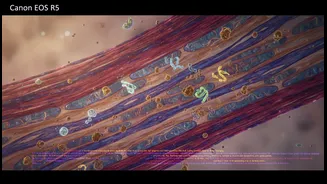
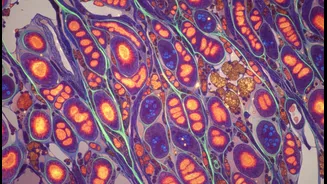
Ageing is not just about wrinkles or grey hair. It is a process that happens deep within our cells. One key aspect is the accumulation of 'senescent' cells—older cells that stop dividing and can cause inflammation and tissue decline. Our muscles, central to our metabolism and mobility, are particularly affected by this. Another marker of biological ageing is the shortening of telomeres, the protective caps on the ends of our chromosomes. Each time a cell divides, these telomeres get a little shorter, acting like a biological clock. Shorter telomeres are linked to a higher risk of age-related diseases. Exercise is one of the most powerful tools we have to combat these processes.
How Consistency Rewires Your Cells
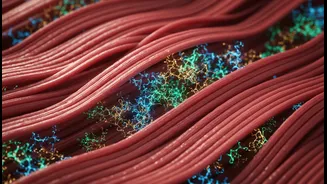
Consistent, habitual exercise sends a powerful signal to your body to fight back against ageing. Regular resistance and endurance training has been shown to reduce the number of senescent cells throughout the body, not just in the muscles being worked. In fact, studies show that active older adults can have molecular markers of ageing almost identical to younger people. This happens because active muscle releases thousands of 'myokines', which are proteins that have wide-ranging anti-inflammatory and anti-ageing effects. Furthermore, regular physical activity helps preserve the length of your telomeres, with highly active people showing a biological age advantage of up to nine years compared to sedentary individuals.
Where Intense Challenges Can Go Wrong
While a short, intense burst of activity can be beneficial, the all-or-nothing approach of many fitness challenges carries risks. Pushing your body too hard, too fast without a proper foundation can lead to burnout, injury, and a suppressed immune system. For individuals who are not regularly active, jumping into extreme exercise can increase the risk of cardiac events. This creates a 'stop-start' cycle that undermines the goal of long-term health. From a cellular perspective, this yo-yo approach does not allow the body to make the deep, structural adaptations that come from sustained effort. Forming a true health habit typically takes two to five months—far longer than the average 30-day challenge.
Building a Lasting Fitness Habit
The smart response to ageing is to treat exercise as a marathon, not a series of frantic sprints. The goal is to build a realistic, sustainable routine that becomes a non-negotiable part of your life. Start by finding activities you genuinely enjoy. Consistency is easier when your workout does not feel like a punishment. Federal guidelines suggest 150 minutes of moderate activity or 75 minutes of vigorous activity per week, but any amount of activity is better than none. Focus on gradual progression, allowing your body to adapt and grow stronger over time. Incorporating resistance training at least twice a week is particularly crucial, as it builds and preserves muscle mass, which is a powerful predictor of long-term health and cognitive function.