





Choose an Eco-Friendly Murti
The centrepiece of the festival, the Ganesha idol, is the most significant place to start. Traditionally, idols were made from river clay (shadu mati), which would dissolve back into the elements. Over time, Plaster of Paris (PoP) became popular due to its
low cost and ease of moulding. However, PoP is non-biodegradable and releases harmful chemicals into water bodies. Opting for an idol made from natural clay is a return to tradition and a powerful act of environmental stewardship. Today, artisans also offer creative alternatives like idols made from recycled paper, coconut husks, or even those containing plant seeds, which can be grown in a pot after the festival, symbolising a cycle of life.
Rethink Your Decorations
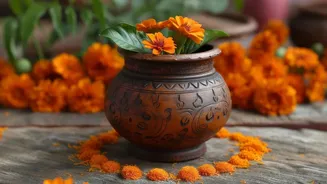
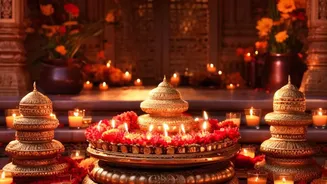
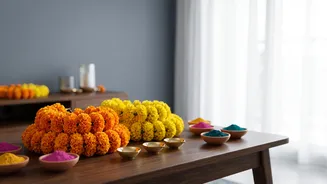
The vibrant decorations for Bappa's pandal or home altar don't have to come at a plastic-wrapped price. Thermocol and single-use plastics are significant sources of pollution. Instead, embrace natural and reusable decor. Use fresh flowers, mango leaves, and intricate rangoli designs made with rice flour and natural pigments like turmeric and kumkum. Fabric buntings, brass lamps (diyas), and bamboo decor can be carefully stored and reused for years, becoming part of your family's festive traditions and reducing your carbon footprint. This approach not only minimises waste but also supports local artisans and florists.
Practice a Symbolic Visarjan
The visarjan (immersion) ceremony symbolises Lord Ganesha's return to his celestial abode. While processions to large water bodies are a community highlight, they have led to significant water pollution when PoP idols are used. A more sustainable and equally devotional alternative is a symbolic immersion at home. For smaller, clay idols, the visarjan can be performed in a bucket or a small tub. The dissolved clay can then be poured into your garden or a potted plant, completing the beautiful cycle of returning to the earth. Many municipalities also set up artificial immersion tanks to prevent the pollution of natural rivers and lakes, offering a great community-level solution.
Serve Prasad and Manage Offerings Sustainably
Festivals are a time for sharing, and prasad is a key part of the celebration. Instead of disposable plastic plates and cups, consider using traditional banana leaves, steel utensils, or other reusable options. This small change can drastically reduce the amount of plastic waste generated. When it comes to floral offerings, or 'nirmalya', many communities now have dedicated collection bins. This sacred waste, which includes flowers, fruits, and leaves, is then often sent for composting rather than being discarded in water bodies or landfills. By segregating nirmalya, you ensure these sacred materials are treated with respect and returned to nature beneficially.
Embrace the Spirit of Tradition
Adopting eco-friendly practices is not a departure from tradition but a return to its original spirit. Historically, Hindu festivals have always been deeply connected to the cycles of nature. Using natural, locally sourced materials was the norm, making celebrations inherently sustainable. By choosing a clay idol over a plastic one, or using flowers instead of thermocol for decoration, we are not losing our traditions; we are reclaiming them. Celebrating Ganesh Chaturthi with an awareness of our environmental impact deepens the spiritual experience, reminding us that devotion includes respecting all of creation. It is about honouring Lord Ganesha as the remover of obstacles, including the ecological challenges we face today.