


Why Fresh Pineapple Reigns Supreme
While canned pineapple is convenient, using fresh pineapple elevates your parfait from good to unforgettable. The flavour is brighter, more complex, and lacks the sometimes metallic taste of its tinned counterpart. The texture is also superior, offering
a firm, juicy bite that provides a delightful contrast to the creamy layers of the parfait. Fresh pineapple is also packed with nutrients. It's an excellent source of vitamin C, an antioxidant that supports the immune system, and manganese, a mineral crucial for bone health and metabolism. Furthermore, fresh pineapple is the only known food source of bromelain, a powerful enzyme that can help with digestion and reduce inflammation. These benefits are diminished in canned pineapple because the heating process used in canning deactivates the bromelain enzyme.
How to Choose the Perfect Pineapple
Selecting a ripe pineapple is key. Don't be fooled by colour alone; some varieties can be ripe while still green. Instead, use your senses. A ripe pineapple should feel heavy for its size, which indicates it's juicy. Gently press the shell; it should have a slight give but not be mushy. The most reliable test is the smell. Turn the pineapple over and sniff its base. A ripe fruit will have a distinctly sweet and tropical aroma. If it smells fermented or sour, it’s overripe, and if there's no smell at all, it's likely underripe. Look for fresh, green leaves at the crown, though a few browning leaves are usually fine.
A Simple Guide to Cutting Fresh Pineapple
Tackling a whole pineapple is easier than it looks. First, place the fruit on its side on a cutting board and slice off the leafy crown and the bottom base to create two flat surfaces. Stand the pineapple upright and, using a sharp knife, carefully slice off the tough outer skin in downward strips, following the fruit's natural curve. You’ll notice small brown 'eyes' remaining in the flesh. You can remove these with a paring knife or by making diagonal, V-shaped grooves that spiral around the fruit. Once peeled, cut the pineapple in half lengthwise. Cut each half in half again to create four long wedges. Finally, slice away the tough, fibrous core from the centre of each wedge, and then chop the remaining sweet flesh into bite-sized pieces for your parfait.
The Ultimate Pineapple and Avocado Parfait Recipe
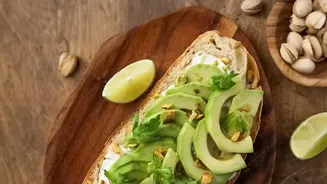
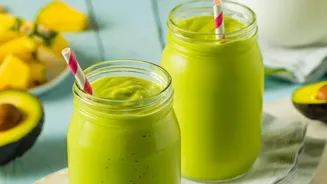
This recipe layers vibrant flavours and textures for a healthy and satisfying treat. For two parfaits, you will need: 1 cup fresh pineapple chunks, 1 ripe avocado, 1 cup of Greek yogurt or coconut yogurt, 2 tablespoons of honey or maple syrup (optional), and the juice of half a lime. First, prepare the avocado cream. In a blender or food processor, combine the avocado flesh, half of the yogurt, the lime juice, and sweetener if using. Blend until completely smooth and creamy. Now, it's time to assemble. In two glasses, alternate layers of the creamy avocado blend, the remaining yogurt, and the fresh pineapple chunks. For an extra crunch, you can add a layer of your favourite granola, toasted nuts, or coconut flakes.
A Note on Pineapple and Dairy
The bromelain enzyme in fresh pineapple breaks down proteins, which is why it's a great meat tenderizer. This also means that if you mix fresh pineapple directly into dairy products like milk or yogurt and let it sit, the bromelain will start to break down the casein protein, which can lead to a bitter taste and a curdled texture. This isn't harmful, but it can be unpleasant. When making parfaits, this effect is minimized because the ingredients are layered and usually eaten right away. Blending pineapple into a smoothie with yogurt is also generally fine as it's consumed immediately. If you're preparing a large batch to store, consider using canned pineapple or quickly cooking the fresh pineapple chunks for a minute to neutralize the enzyme before layering.