






The Journey from Crude Oil
The process begins with the price of crude oil. India imports over 88% of its crude oil requirements, making it highly susceptible to global price fluctuations. Oil Marketing Companies (OMCs) like Indian Oil, BPCL, and HPCL purchase a blend of crude oils,
the price of which is known as the Indian Basket. This cost, determined in US dollars on international markets, forms the base price of the fuel. This is the initial cost before the oil is even processed or taxed.
The Currency Conundrum
Since crude oil is traded in US dollars, the USD-INR exchange rate plays a pivotal role. Even if the price of crude oil falls in the global market, a weakening Indian Rupee can cancel out the benefit, as OMCs need to spend more rupees to buy the same number of dollars. For instance, a depreciating rupee means the landed cost of crude oil in India rises, directly impacting the base price before it even reaches the refinery. This currency movement is a silent but significant multiplier on the cost you ultimately pay.
The Refining Margin Factor
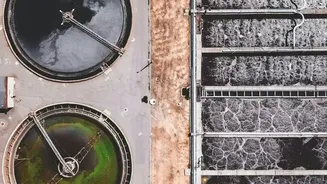
Crude oil is not the same as petrol or diesel. It must be processed in a refinery to produce these finished products. This process has its own costs and profit margins, known as refining margins. These margins depend on the global demand and supply for refined products like petrol and diesel, which can be different from the dynamics of crude oil. At times, even if crude prices are stable, tight supply or high demand for refined fuels can push refining margins, and therefore prices, higher. The government sometimes intervenes by capping these margins to control prices.
Taxes: The Largest Component
Taxes are arguably the most significant part of the retail fuel price in India, often accounting for around half of the total cost. This is split into two main parts. First is the Central Government's excise duty, which is a fixed amount per litre and is uniform across the country. Second is the Value Added Tax (VAT) levied by individual State Governments. VAT rates vary from state to state, which is why fuel prices are different in cities like Delhi, Mumbai, or Chennai. These taxes are a major source of revenue for both central and state governments.
Final Steps to the Pump
After the base price, currency conversion, and refining costs are calculated, the central excise duty is added. Then, the fuel is sold to dealers (the petrol pump owners). These dealers have their own commission, which is a fixed charge per litre to cover their operational costs and profit. Finally, the state-level VAT is applied to the total price, which includes the base price, freight charges, and dealer commission. The sum of all these components results in the final retail price that you see updated every morning at 6 am under the daily pricing mechanism.