






1. Prepare Your Vehicle Before the Rains Hit
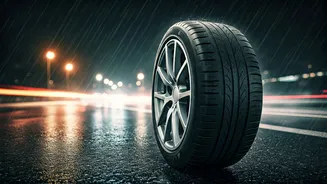
The most important part of monsoon driving happens before you even start the engine. Your car needs to be ready for the challenge. First, check your tyres. Good tread depth is crucial for grip on wet roads. Ensure your tyres are inflated to the manufacturer's
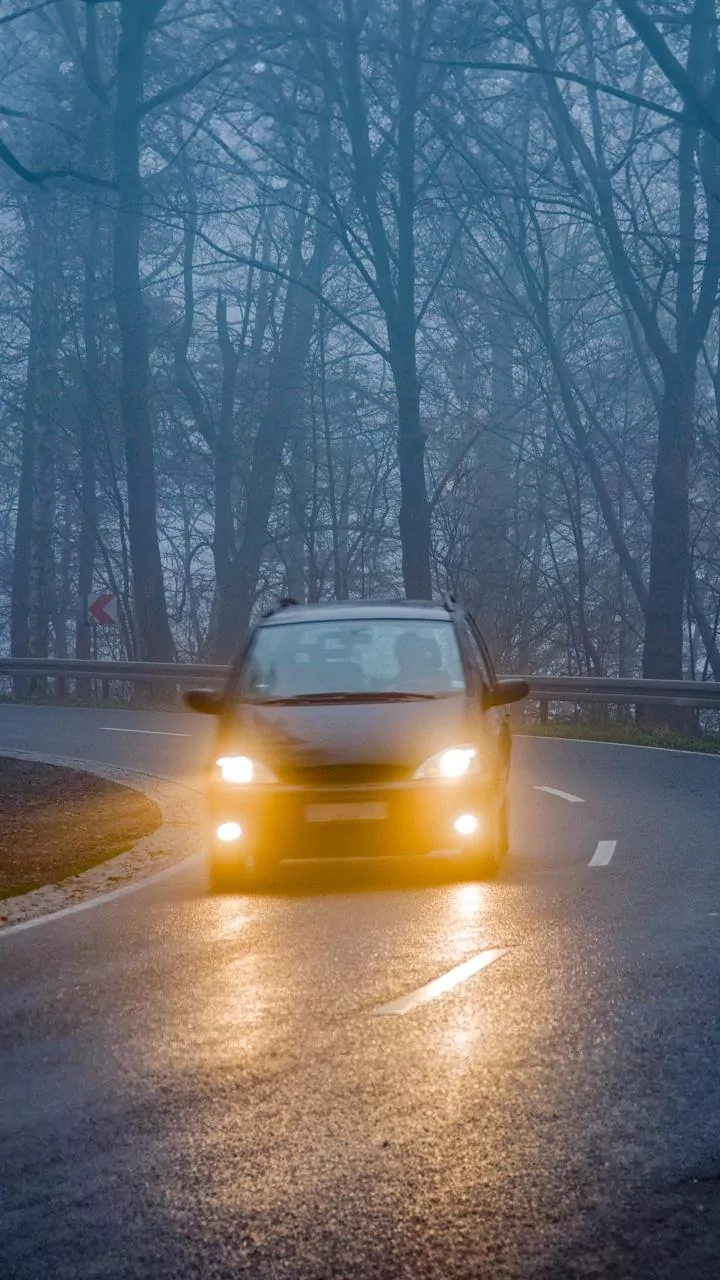
recommended pressure. Worn-out tyres are a leading cause of skidding. Next, inspect your wiper blades. If they leave streaks or don't clear water effectively, replace them immediately. Visibility is your best defence in a downpour. Finally, have your brakes, headlights, and tail lights checked. Wet roads increase braking distance, so your brakes must be in top condition. Functional lights ensure you can see and be seen.
2. The 'Slow and Steady' Golden Rule
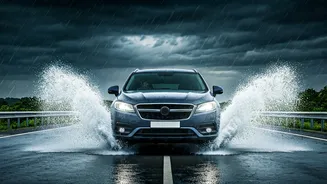
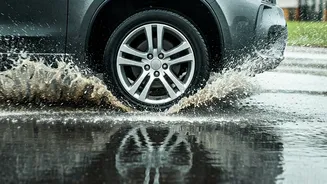
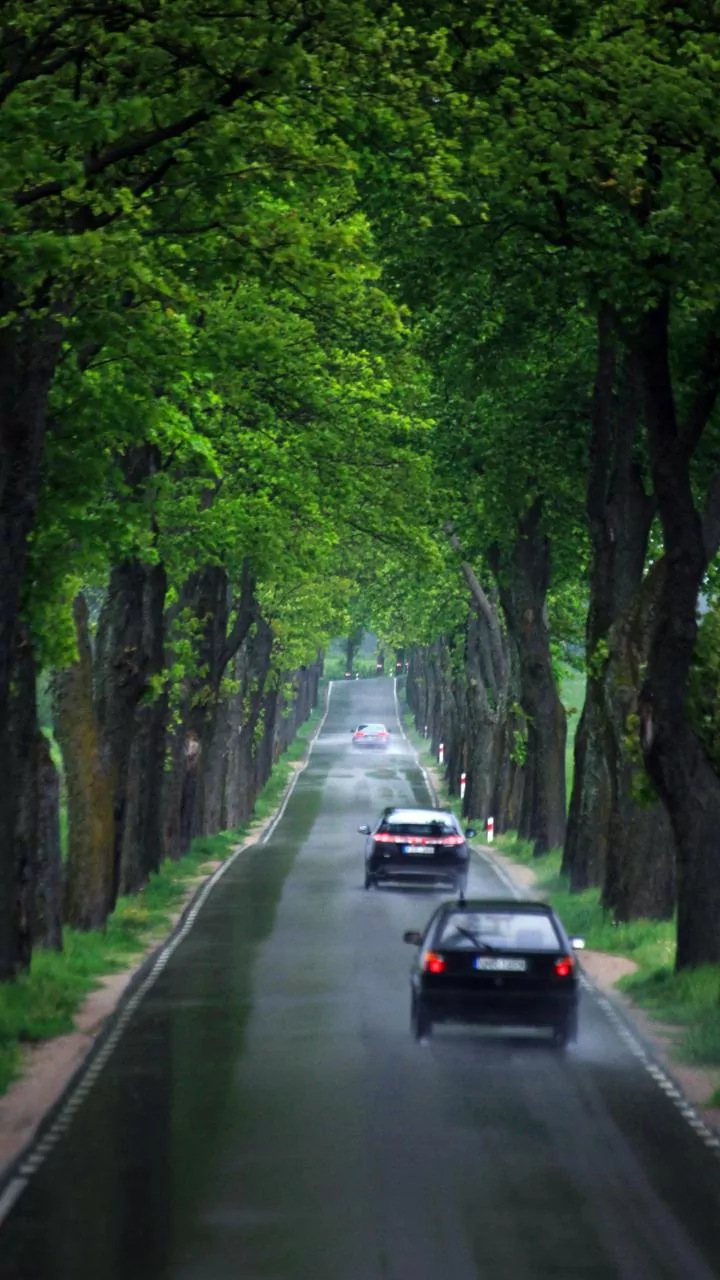
It sounds obvious, but it's the most ignored piece of advice. Speed is your enemy during the monsoon. Driving fast on wet surfaces dramatically increases the risk of hydroplaning—where your tyres lose contact with the road and skim over the water. Reduce your speed by at least 15-20 km/h from the normal limit. This gives you more time to react to unexpected hazards like potholes hidden under puddles or a vehicle braking suddenly ahead of you. Maintain a much larger following distance from the car in front—aim for a 5-6 second gap instead of the usual 2-3 seconds. This buffer is your safety net.
3. Master the Art of Defensive Driving
Monsoon driving is defensive driving. Avoid any sudden movements. That means no hard braking, no sudden acceleration, and no sharp turns. Every input should be smooth and gentle. When you need to slow down, tap the brakes lightly a few times to signal the driver behind you and to gently dry the brake discs and pads. Keep both hands on the steering wheel for maximum control. Be extra vigilant for pedestrians and two-wheelers who may be trying to avoid puddles and dash across the road unexpectedly. Use your horn judiciously to make your presence known, especially on blind curves.
4. Navigating Waterlogged Roads
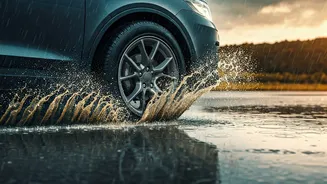
Encountering a flooded street is common. The first rule is: if in doubt, don't risk it. It’s impossible to know the depth or what debris lies beneath. If you must proceed, watch other vehicles. If cars similar to yours are struggling, turn back. If you decide to cross, keep your car in a low gear (first or second) and maintain a steady, higher-than-usual engine RPM to prevent water from entering the exhaust pipe. Drive through the centre of the road where the water is usually shallowest. Try to create a 'bow wave' by maintaining a consistent speed (around 10 km/h). Once you're through, gently tap your brakes to dry them out and ensure they are working correctly.
5. What to Do If You Hydroplane
Hydroplaning is a terrifying experience where you lose steering control. If this happens, your instincts might tell you to slam the brakes, but that's the worst thing you can do. Instead, remain calm. Do not brake or turn the wheel sharply. Gently ease your foot off the accelerator. Keep the steering wheel straight. As your car slows down, the tyres will regain contact with the road, and you will feel control return. Only then can you gently apply the brakes or steer as needed. The key is to avoid panic and sudden inputs.
6. Keep Your Car Comfortable and Fog-Free
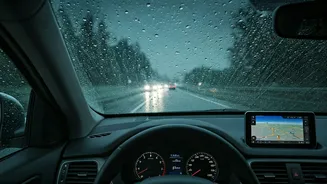
High humidity during the monsoon can cause your windscreen and windows to fog up instantly, severely compromising visibility. Use your car's air conditioning. The AC acts as a dehumidifier, clearing the mist from the inside of the glass quickly and effectively. Direct the airflow towards the windscreen. If your car has a defogger function for the front and rear windscreens, use it. Trying to wipe the fog away with a cloth while driving is distracting and dangerous. A clear view outside is non-negotiable.