


What is El Niño?
El Niño, which means 'The Little Boy' in Spanish, is a naturally occurring climate phenomenon. It happens every two to seven years when the sea surface temperatures in the central and eastern equatorial Pacific Ocean become unusually warm. This warming
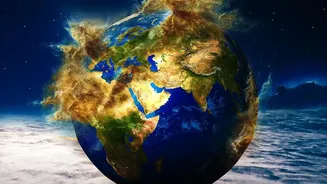
of a vast patch of the ocean might seem distant, but it disrupts global atmospheric circulation patterns. Normally, trade winds push warm water towards Asia, which helps power the Indian monsoon. During an El Niño, these winds weaken, allowing the warm water to spread eastward, which can alter weather systems worldwide. This disruption is a major concern for India, where the monsoon is the lifeline for agriculture and the economy.
The Forecast for 2026-2027
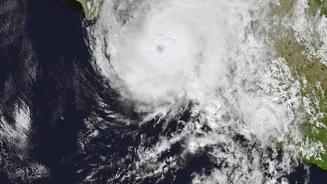
Current climate assessments indicate that a strong El Niño is developing and is expected to persist through the winter and into early 2027. Some forecasts suggest it could become one of the strongest events on record, potentially rivaling the significant El Niños of 1997-98 and 2015-16. The India Meteorological Department (IMD) has noted the possibility of strong El Niño conditions, which are strengthening rapidly. While this provides months of advance warning, the exact strength and its regional impacts can still evolve. It's important to remember this is occurring against a backdrop of long-term global warming, which can amplify El Niño's effects, contributing to more intense extremes.
The Heatwave Connection
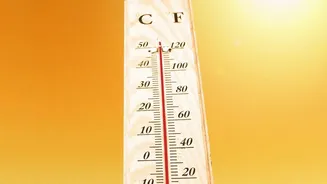
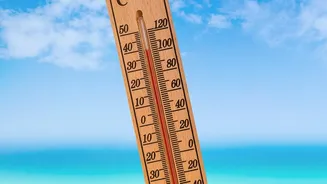
One of the most direct impacts of El Niño in India is an increase in temperatures. El Niño years are often associated with hotter-than-average conditions and more severe heatwaves across the country. These are not just uncomfortable; they pose serious health risks, including dehydration, heatstroke, and the worsening of existing heart, lung, and kidney conditions. With a strong El Niño, there is a heightened risk of prolonged and more frequent heatwaves, even outside the typical hot season. This puts a strain on public health services, energy grids due to increased demand for cooling, and poses a direct threat to outdoor workers who are most exposed.
An Unpredictable Monsoon
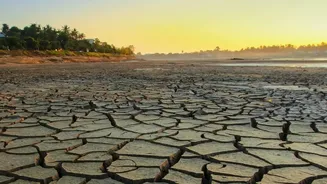
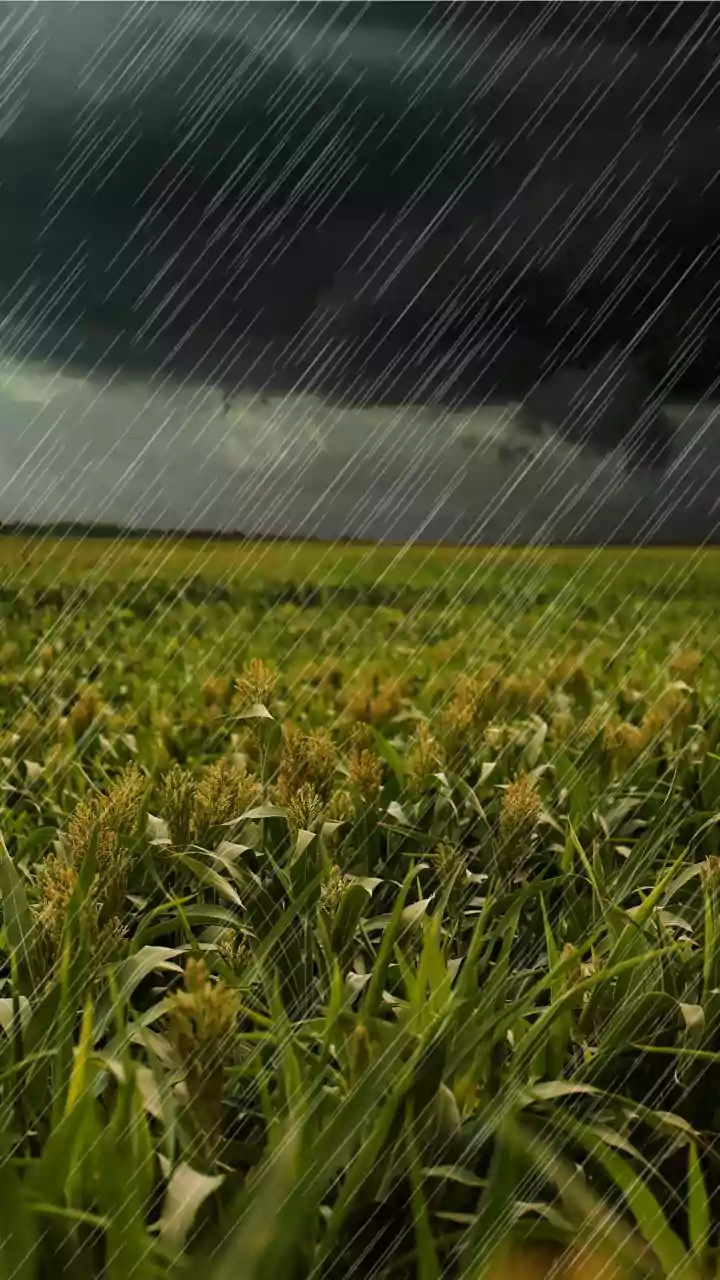
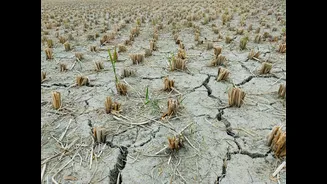
The relationship between El Niño and the Indian monsoon is complex, but it often leads to a weaker or more erratic rainy season. Historically, El Niño has been linked to below-normal southwest monsoon rainfall and an increased likelihood of drought in parts of India. Of the 16 El Niño years since 1950, seven saw below-normal rainfall. However, it's not a guarantee of drought. The final outcome also depends on other climate factors like the Indian Ocean Dipole (IOD), which can sometimes counteract El Niño's drying effect. The concern for 2026 is that a strong El Niño could lead to an uneven distribution of rain, with long dry spells punctuated by intense downpours, affecting crop cycles and water reservoir levels. Interestingly, some forecasts also predict a wetter winter for the Hindu Kush Himalaya region, which could increase snowfall but also raise risks of avalanches and landslides.
Impacts Across India
The effects of El Niño won't be uniform across the country. States like Rajasthan, Gujarat, Maharashtra, Telangana, and Andhra Pradesh are often more vulnerable to heat and water shortages. Rural communities face the gravest consequences, with risks to water security, farming systems, and the safety of agricultural labourers. A weak monsoon can lead to crop failures, reduced farmer incomes, and rising food prices, which ripple through the entire economy. Coastal areas also face challenges, as marine heatwaves associated with these events can affect fish populations, threatening the livelihoods of fishing communities. Government agencies are already undertaking risk assessments and preparing contingency plans for agriculture and public health to mitigate these potential impacts.