


The Foundation: Pots, Soil, and Sun
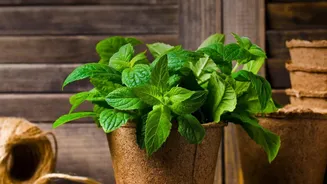
Before you plant, get the basics right. The most common mistake urban gardeners make is using the wrong foundation. Use containers with drainage holes to prevent waterlogging, which is a primary cause of plant failure. Terracotta pots are excellent for aeration,
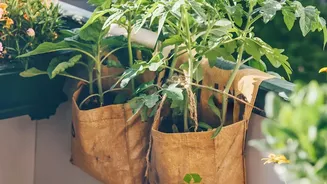
but lightweight plastic pots or grow bags are also great, budget-friendly options. Crucially, do not use heavy garden soil, which compacts in pots and suffocates roots. Instead, opt for a light, well-draining potting mix. You can find ready-made organic mixes online, often composed of cocopeat and vermicompost, which are designed to retain moisture while allowing roots to breathe. Finally, observe your balcony's sunlight. Most herbs, including basil, need at least four to six hours of sun. An east-facing balcony with gentle morning sun is often perfect.
Basil Hacks: Keep it Thriving
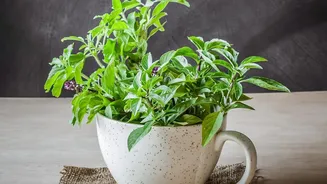
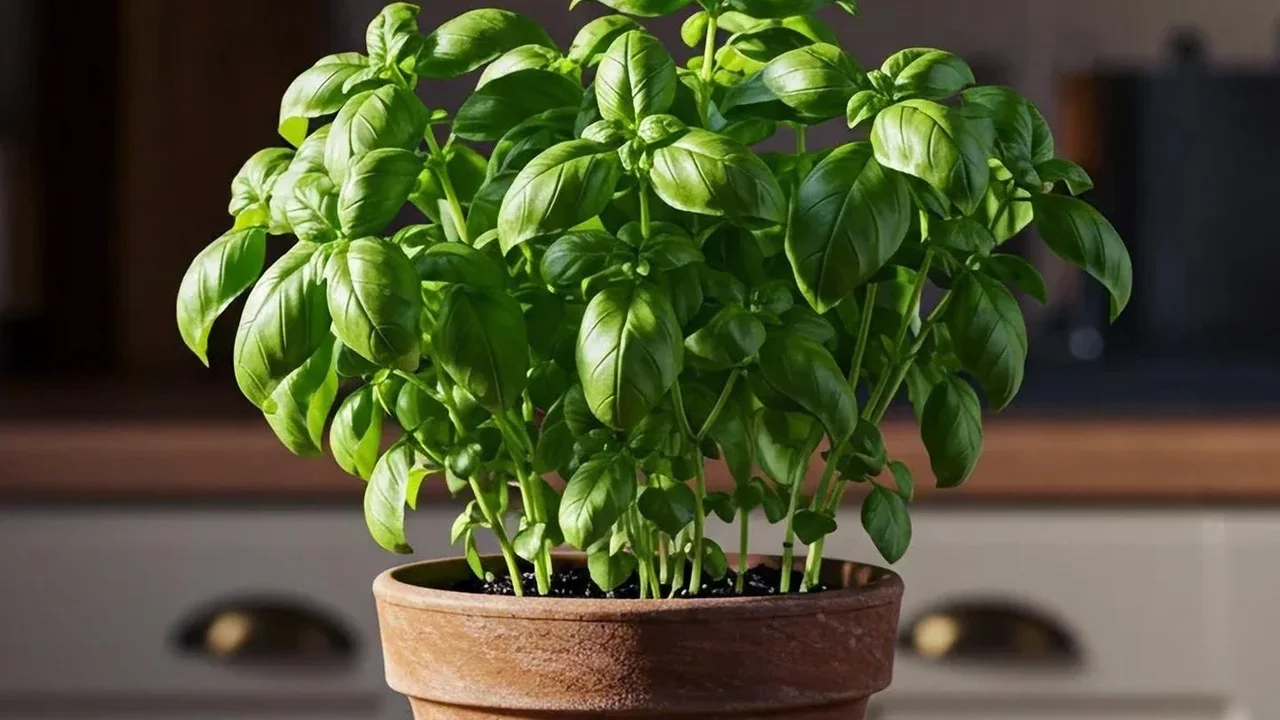
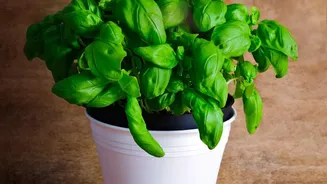
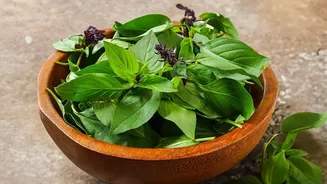
Basil is a staple, but can be fussy. To succeed, give it plenty of sun but shield it from the intense, direct afternoon heat which can scorch its leaves. The key is consistent moisture. Water when the top inch of the soil feels dry, but never let the pot sit in a pool of water. Overwatering is a common killer. For a bushier plant and more leaves, the most important hack is regular harvesting. Once the plant is about six inches tall, start pinching off the top sets of leaves. This encourages the plant to branch out, creating more foliage instead of growing tall and leggy. Also, be sure to pinch off any flower stalks that appear; allowing the plant to flower can make the leaves turn bitter.
Mint Hacks: The Easiest Herb to Grow
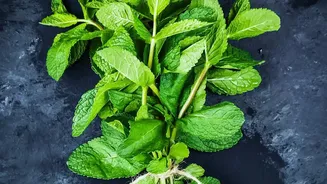
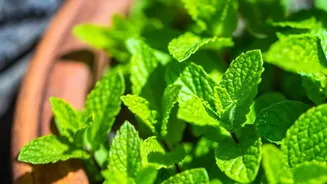
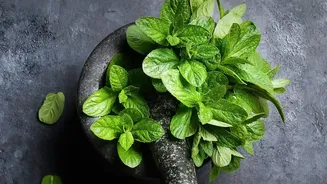
Mint, or pudina, is famously easy to grow—so easy, in fact, that the main hack is to contain it. It spreads aggressively, so always plant it in its own pot to prevent it from taking over your other plants. Unlike basil, mint is more tolerant of partial shade and can thrive with just a few hours of sun, making it ideal for balconies that don't get all-day light. The simplest way to start is not from seed, but from a stem. Take a healthy cutting from a bunch you bought at the market, place it in a glass of water, and it will sprout roots in about a week. Once rooted, plant it in a pot with a well-draining soil mix. Keep the soil consistently moist but not waterlogged.
Curry Leaf Hacks: Patience is a Virtue
The curry leaf plant, or kadi patta, is a must-have for any Indian kitchen garden. The most important thing to know is that young plants take time to get established, so be patient. This plant loves warmth and sun, so a spot that gets at least five to six hours of direct sunlight is ideal. Use a deep pot to accommodate its taproot. A common mistake, especially in cooler climates or during North Indian winters, is to panic when the plant sheds its leaves. This is often a natural dormancy period, not a sign of death. During this time, reduce watering significantly and avoid fertilizing. Water only when the top layer of soil is completely dry to the touch, as the curry leaf plant is more prone to root rot from overwatering than from drought.
Smart Space and Watering Tricks
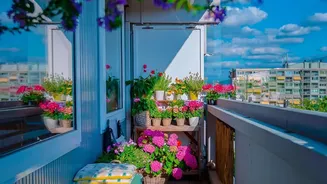
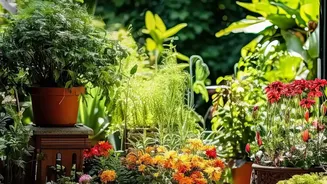
A small balcony doesn't mean a small garden. Think vertically. Use wall-mounted planters, railing pots, and tiered shelves to maximize your growing space without cluttering the floor. This also improves air circulation around the plants. When it comes to watering, ditch the rigid schedule. The 'finger test' is your best guide: poke your finger about an inch into the soil. If it feels dry, it's time to water. Balcony pots tend to dry out faster due to wind and heat, but overwatering is still the greater danger. Grouping pots together can help create a more humid microclimate and protect plants from wind.