



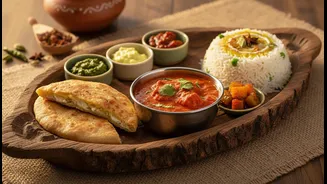



The Rise of the Culinary Pilgrim
For generations, travel in India was about pilgrimage, visiting family, or ticking off historical landmarks. Today, a new kind of pilgrimage is emerging, one that worships at the altar of authentic cuisine. The Indian culinary tourism market reached a staggering
USD 110.1 billion in 2025 and is projected to grow significantly. This explosive growth is fuelled by a generation of travellers who seek more than just a pretty picture; they want an immersive, authentic experience. Social media, a booming foodie culture, and a renewed interest in regional heritage have combined to create the perfect recipe for this trend. Travellers, especially those between 28 and 40, are actively seeking out food-centric journeys, from street food walks to elaborate cooking workshops.
What Exactly Is a Food Trail?
A food trail is far more than just a restaurant-hopping spree. It’s a curated journey designed to tell the story of a place through its food. These trails can be organised by state tourism boards, private operators, or passionate local guides. They might lead you through the chaotic, fragrant lanes of Old Delhi for a taste of its Mughal and street food history, or take you on a guided tour of Panjim's old taverns to understand the Portuguese influence on Goan food through Feni and tapas. The goal isn’t just to eat, but to understand the culture, history, and people behind the dishes. It’s the difference between simply eating a meal and experiencing a culinary tradition.
Journeys for Every Palate
The beauty of India's food trails lies in their diversity. In Goa, you can wander through cashew plantations before tasting freshly distilled Feni, paired with local snacks by a riverside. Head to Kashmir, and the trail leads you to the grand Wazwan, a multi-course feast that is a cornerstone of local hospitality and culture. Once reserved for weddings, this elaborate meal featuring dishes like Rogan Josh and Gushtaba is now more accessible to visitors, offering a true taste of the valley’s Persian and Central Asian influences. Down south, trails in Kerala might explore spice plantations and fresh seafood, while in Mumbai, you can navigate the city's various 'khau galis' (food lanes), each famous for specific street foods like vada pav or pav bhaji.
More Than Just a Meal
This shift towards culinary travel has a profound impact that goes beyond satisfying appetites. It provides a vital economic boost to local communities, supporting small-scale farmers, street vendors, and family-run eateries that are often bypassed by conventional tourism. A Ministry of Tourism study noted that such initiatives can increase household incomes in participating villages by 20-35%. These trails also play a crucial role in cultural preservation. By creating demand for traditional dishes and cooking methods, they encourage communities to safeguard culinary knowledge that might otherwise be lost. Travellers get to connect with a destination on a deeper, more meaningful level, sharing stories and experiences with the people who grow, cook, and serve the food.
How to Plan Your Own Food Adventure
Embarking on a food trail is easier than ever. Many state tourism boards have started promoting their culinary heritage through organised events and information portals. Independent operators and local guides offer specialised walks and tours in most major cities, from Delhi to Mumbai to Dehradun. A good starting point is to follow food bloggers and influencers who often highlight hidden gems and authentic experiences. Whether you book a structured tour or create a DIY trail based on research, the key is to arrive with an open mind and an empty stomach. The best travel stories, after all, are often the ones you can taste.