
The Sun's Turbulent Peak
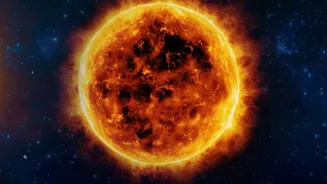
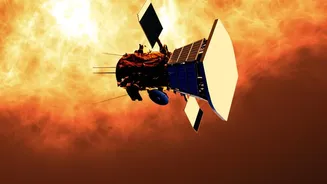
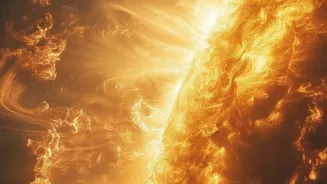
The sun operates on a roughly 11-year cycle, swinging between a quiet phase (solar minimum) and a turbulent one (solar maximum). We are currently in Solar Cycle 25, which has been more active than initially predicted and is expected to see peak activity
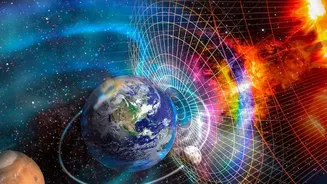
extend through 2026. During this maximum, the sun's magnetic field becomes unstable, leading to a dramatic increase in sunspots, powerful solar flares, and colossal explosions of plasma known as coronal mass ejections (CMEs). These events hurl massive amounts of energy and charged particles toward Earth, creating what is known as space weather.
The Double Threat: Drag and Radiation
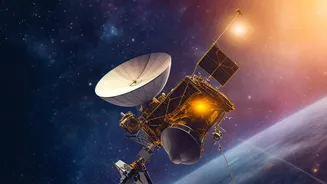
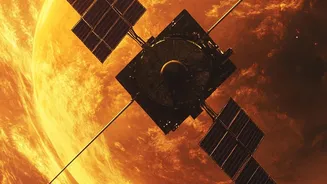
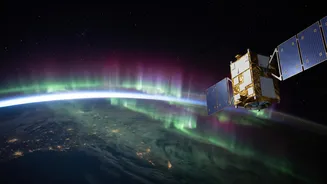
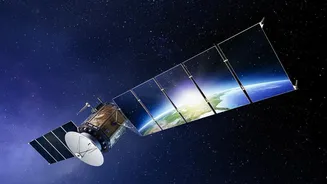
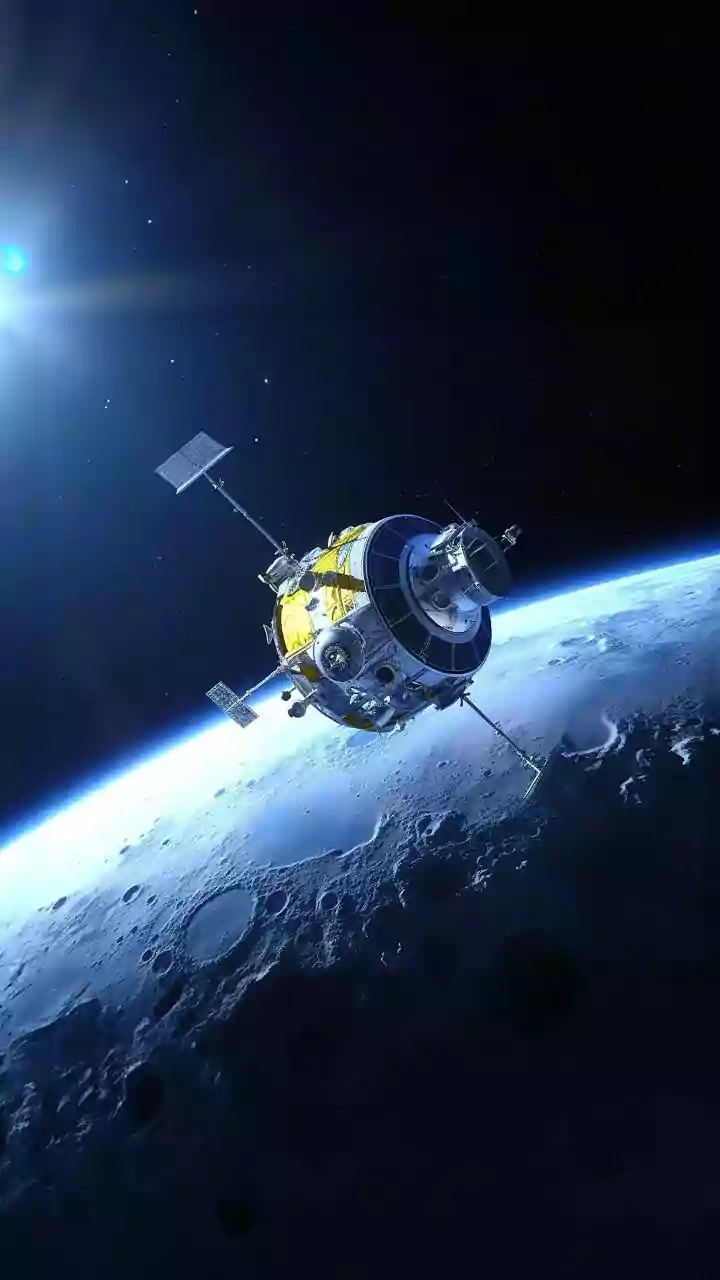
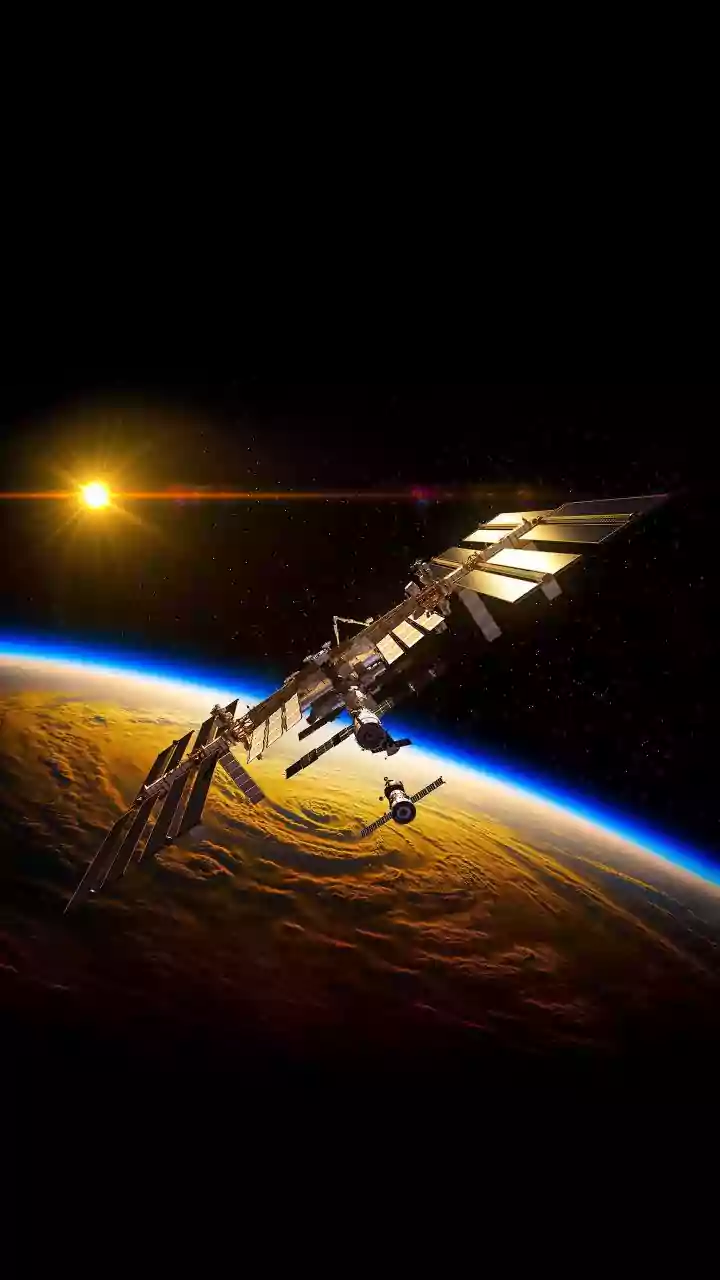
For satellites, particularly those in low-Earth orbit (LEO) like the sprawling constellations of Starlink, the solar maximum presents two major dangers. The first is atmospheric drag. Intense solar energy heats Earth's upper atmosphere, causing it to expand. Although the atmosphere at these altitudes is incredibly thin, this expansion significantly increases density, acting like a brake on satellites. This added drag can cause satellites to lose altitude faster, requiring them to burn precious fuel to stay in their designated orbit. In February 2022, a minor geomagnetic storm caused 38 newly launched Starlink satellites to fail and burn up in the atmosphere because of this effect. The second threat is radiation. Charged particles from solar flares and CMEs can bombard satellites, damaging sensitive electronics and causing malfunctions known as single-event upsets (SEUs). This radiation can degrade solar panels, reducing a satellite's power supply and shortening its operational lifespan. It can also interfere with the very signals satellites transmit, disrupting communication and reducing the accuracy of GPS navigation systems.
The Operator's High-Stakes Playbook
Satellite operators are not helpless against this solar onslaught. They rely on sophisticated space weather forecasts from agencies like NOAA to anticipate incoming storms. When a significant event is predicted, operators have a playbook of defensive maneuvers. They can temporarily shut down non-essential systems or place the entire satellite into a protective "safe mode" to ride out the storm. Some satellites can be reoriented to use their structure as a shield for the most sensitive components. For the drag problem, operators must plan for more frequent orbital boosts, which consumes fuel and can shorten the mission's overall life. This constant battle requires significant investment in both technology—like radiation-hardened components—and operational planning.
Why It Matters on the Ground
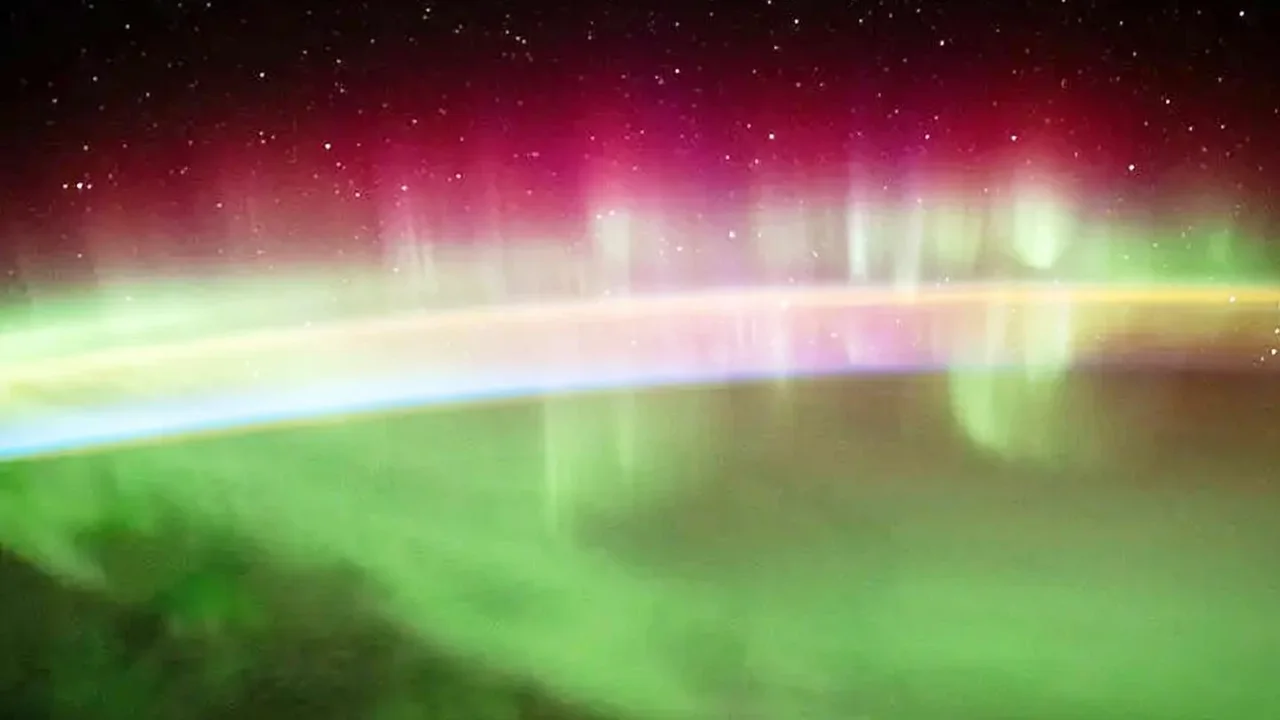
The operational shifts happening hundreds of kilometers above our heads have real-world consequences. A temporary disruption to communication satellites can affect everything from international banking transactions to media broadcasts. Degraded GPS signals could lead to inaccuracies for aviation, shipping, and even the ride-sharing app you use to get home. As our dependence on satellite constellations for internet (Starlink), Earth observation, and navigation grows, so does our collective vulnerability to the sun's temper. The G5 geomagnetic storm of May 2024 served as a major wake-up call, causing widespread disruptions and spectacular auroras, demonstrating the power of these events.