



The Enduring Allure of Clay
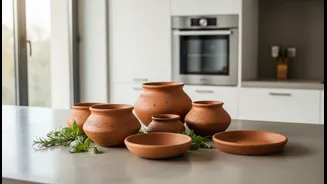
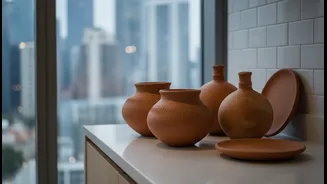
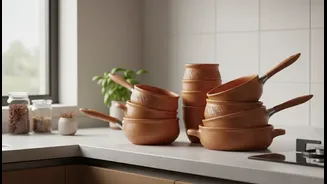
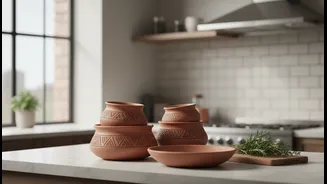
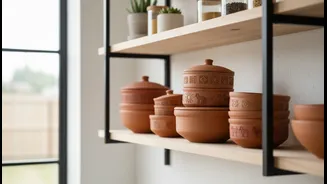
Cooking in clay pots, or 'handis', is an ancient tradition in India, prized for its numerous benefits. The porous nature of terracotta allows heat and moisture to circulate evenly, resulting in food that is moist, tender, and infused with a subtle earthy
aroma. This slow cooking process helps retain the nutrients in the food, which often get lost with other types of cookware. Clay is also alkaline, which helps in neutralizing the pH balance of acidic foods like tomatoes, making dishes easier to digest. Beyond the health benefits, there is a certain romance to using earthenware—it connects us to a slower, more mindful way of cooking and has a rustic aesthetic that many find appealing in their kitchens.
The Urban Kitchen Dilemma
Despite their appeal, traditional terracotta pots come with practical challenges, especially for those living in city apartments. The most significant issue is their weight. Thick-walled and dense, these pots can be incredibly heavy, making them difficult to handle, wash, and store in compact kitchens with limited shelf space. Their fragility is another concern; a heavy pot is more easily dropped and broken. Furthermore, many traditional handis have rounded bottoms designed for cooking over open fires or traditional chulhas, making them unstable on the flat surfaces of modern gas and electric stovetops. These practical hurdles have often relegated terracotta cookware to the realm of occasional, special-occasion cooking for many urbanites.
Artisan Ingenuity in Action
Recognising this gap between tradition and modern convenience, artisans in Rajasthan, a region with a rich pottery heritage, are re-engineering their craft. The primary focus is on reducing weight without compromising the pot's structural integrity or cooking properties. This is achieved through a combination of techniques. Potters are experimenting with different clay compositions, sometimes blending local clays to achieve a lighter yet durable material. They are also refining their throwing skills to create pots with thinner, more uniform walls. This requires immense skill, as the walls must be strong enough to withstand heat and regular use. Changes in firing techniques also play a part, allowing for a stronger final product that doesn't need to be as thick.
Redesigned for Modern Life
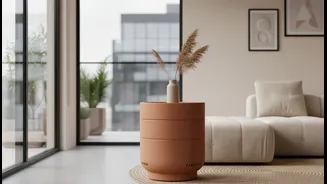
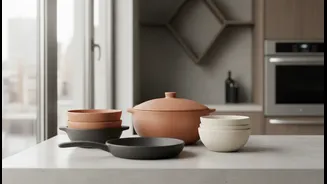
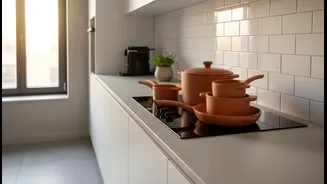
The innovation doesn't stop at weight. Artisans are fundamentally rethinking the design of terracotta cookware to fit seamlessly into the modern Indian kitchen. The most crucial change is the introduction of flat-bottomed pots and pans (kadais) that sit securely on electric and gas hobs. Handles are being redesigned to be more ergonomic, providing a better grip for safer handling. The sizes are also changing. Instead of large, family-sized pots, artisans are now crafting smaller versions perfect for individuals or nuclear families common in cities. These modified designs mean that city residents no longer have to choose between the authentic taste of clay-pot cooking and the practicalities of their urban lifestyle.
More Than Just a Lighter Pot
This evolution is about more than just shedding a few kilograms. It represents a broader trend of artisans adapting their ancestral skills to stay relevant in a changing market. Some artisans are also experimenting with new finishes. While traditional unglazed pots remain popular for their porosity, partially glazed or polished interiors are being offered as an option for easier cleaning—addressing another pain point for users who are wary of the special care unglazed clay requires. By listening to the needs of their new urban customers, these Rajasthani artisans are not just selling a product; they are ensuring the survival and growth of a centuries-old craft, making it accessible and desirable for a new generation.