




The Problem: Urban Heat Islands
Anyone who has walked barefoot on dark asphalt on a sunny day understands its incredible ability to absorb and store heat. In cities, this effect is multiplied across thousands of kilometres of roads, parking lots, and dark rooftops. These surfaces absorb up
to 95% of the sunlight that hits them. This absorbed energy heats the surrounding air, creating a phenomenon known as the “urban heat island” effect, where cities can be significantly warmer than nearby rural areas. This isn't just a matter of discomfort; it leads to increased energy consumption for air conditioning, exacerbates air pollution, and poses serious health risks during heatwaves.
The Solution: The Science of Reflection
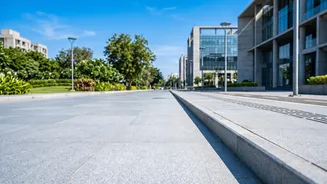
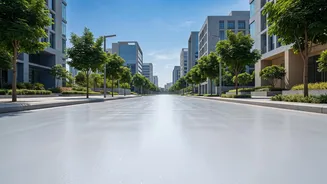
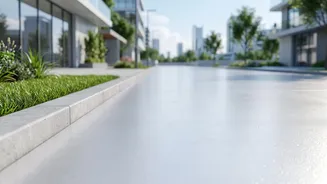
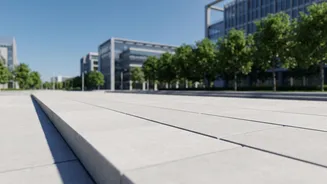
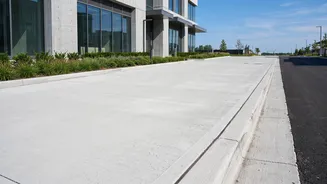
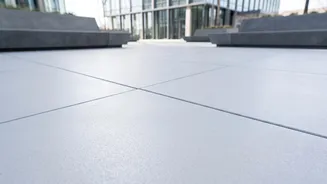
Reflective pavements, often called 'cool pavements', tackle this problem with a simple principle: reflection over absorption. It's the same reason we feel cooler wearing a white shirt than a black one in the sun. This property is known as albedo—a measure of how much solar radiation a surface reflects. Traditional black asphalt has a very low albedo, while lighter-coloured surfaces have a high albedo. Cool pavements are created using reflective materials, such as special coatings, lighter-coloured aggregates in concrete, or clear binders that expose the reflective stones within. These surfaces can reflect a significant portion of sunlight, preventing the pavement from heating up in the first place.
How Effective Are They?
The results from pilot projects around the world are promising. Studies have shown that reflective pavements can lower surface temperatures dramatically, in some cases by 5–12°C compared to conventional asphalt. While the impact on the ambient air temperature is more modest—often a reduction of around 0.5°C to 1.4°C—this can make a significant difference at a city-wide scale. In Phoenix, Arizona, a city known for its extreme heat, researchers found cool pavements reduced the need for long-term road maintenance due to lower thermal stress on the asphalt. The benefits extend beyond temperature. Cooler streets lead to lower energy bills from reduced air conditioning use. They can also improve nighttime visibility and driver safety by better reflecting streetlights, potentially lowering the need for bright, energy-intensive lighting.
Challenges and Considerations
Despite the benefits, cool pavements aren't a perfect, one-size-fits-all solution. One of the main concerns is the initial cost, which can be higher than for traditional asphalt sealants. The reflectivity can also degrade over time as surfaces get dirty, requiring maintenance. Another issue is pedestrian comfort. While the pavement itself is cooler, the reflected sunlight can sometimes make the air at pedestrian level feel warmer, especially on intensely sunny days without shade. This has led some experts to caution that placement is key; reflective surfaces are most effective in open areas and less so in dense urban canyons where buildings block the sun for most of the day.
The Road Ahead for Indian Cities
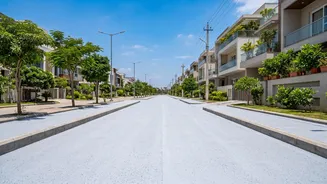
Given India's sprawling cities and vulnerability to extreme heatwaves, passive cooling solutions like reflective pavements are gaining attention. The concept of 'cool corridors'—which integrate reflective surfaces with tree cover and other shading strategies—is being explored as a holistic approach to neighbourhood cooling. While large-scale adoption is still in its early days, Indian research institutions are actively developing more sustainable and cost-effective road technologies, including the use of industrial and plastic waste in pavement construction. A study on Bhubaneswar highlighted the significant economic and environmental benefits cool pavements could bring to Indian cities. These innovations, combined with global learnings, could pave the way for cooler, more liveable urban environments across the country.