







Start with Smarter Cleaning
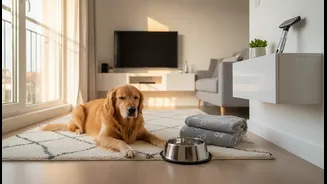
Regular cleaning is your first line of defence, but it needs to be strategic. Beyond daily sweeping, focus on deep cleaning soft surfaces where odours get trapped. Sprinkle baking soda on carpets, rugs, and fabric sofas. Let it sit for at least 30 minutes
to absorb odours before vacuuming it up thoroughly. For pet bedding, toys, and blankets, a weekly wash in hot water is non-negotiable. Adding a splash of white vinegar to the wash cycle can help neutralize stubborn smells without harsh chemicals. For any accidents, skip ammonia-based cleaners, which can attract pets back to the same spot. Instead, use an enzyme cleaner that breaks down the proteins causing the odour.
Improve Your Air Quality
In a compact home, air circulation is crucial. Open windows daily, even for just 15-20 minutes, to let fresh air in and push stale air out. For a more powerful solution, consider an air purifier. Look for a model with a High-Efficiency Particulate Air (HEPA) filter to trap pet dander, and an activated carbon filter, which is excellent at absorbing and neutralizing odours. Place the purifier in the room where your pet spends the most time for maximum effectiveness. You can also place bowls of activated charcoal in discreet corners of your home; it’s a natural and effective odour absorber.
Rethink Your Litter Box Strategy
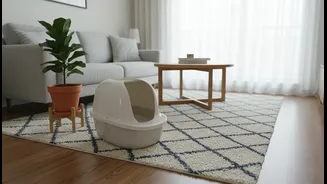
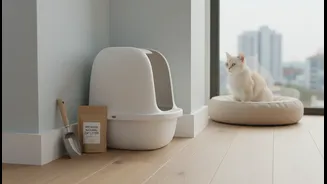
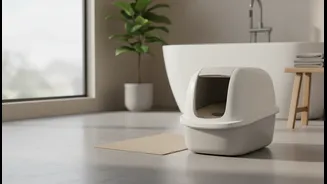
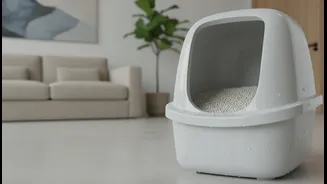
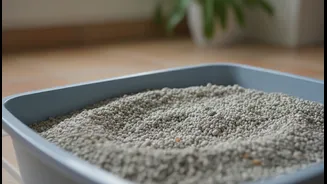
For cat owners, the litter box is often the main source of odour. The solution lies in a combination of the right materials and consistent maintenance. Scoop waste at least once a day. Consider switching to a litter with better odour control. Modern options include clumping clay with activated charcoal, silica gel crystals that absorb moisture, or natural alternatives like tofu or pine litter. These materials are often better at trapping ammonia smells than basic clay. Sprinkling a layer of baking soda at the bottom of the tray before adding fresh litter can also provide an extra layer of odour absorption.
Choose Pet-Friendly Materials
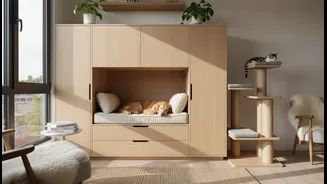
The furniture and fabrics you choose can either trap smells or repel them. Materials with a tight weave, like microfiber or canvas, are better choices than loose-knit fabrics where hair and dander can get embedded. Leather or faux leather are also excellent options as they don't hold onto fur and can be wiped clean easily. When possible, opt for furniture with removable, machine-washable covers. Even the colour can make a difference; choosing a sofa colour that is similar to your pet's fur can help camouflage shedding between cleanings.
Grooming and Diet Matter
Odour control starts with your pet. Regular grooming is essential. Brushing your pet daily removes loose fur and dander before they settle on your furniture and floors. A consistent bathing routine with pet-appropriate shampoo helps wash away dirt and oils that cause that typical “doggy smell.” Don't overlook diet. Low-quality foods with lots of fillers can lead to digestive issues and more pungent waste. A high-quality, easily digestible diet can significantly improve your pet's overall scent and make their waste less odorous. It addresses the problem from the inside out.