



From Trash to Treasure
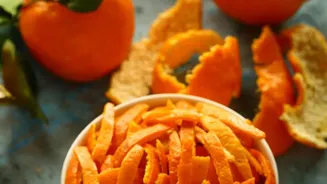
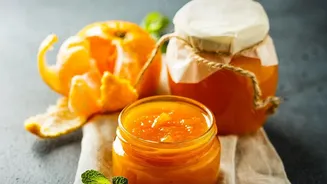
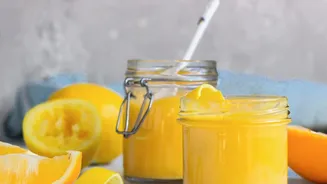
Every time you squeeze a lemon for juice or peel an orange for a snack, a pile of rinds is left behind. For most, this ends up in the compost bin or, worse, the trash. But those peels are culinary gold hiding in plain sight. Adopting a zero-waste approach
in the kitchen is about seeing potential in these overlooked ingredients. Citrus peels are packed with aromatic oils, a zesty, bitter flavour that balances sweetness perfectly, and a surprising amount of nutrients. By turning them into a chutney, you not only reduce your household food waste but also create a sophisticated condiment from scratch for next to nothing.
Why Rinds are Gut-Friendly
The term 'gut-friendly' isn't just a buzzword. Citrus peels are an excellent source of dietary fibre, particularly a soluble fibre called pectin. This type of fibre acts as a prebiotic, which means it provides food for the beneficial bacteria living in your gut. A healthy community of gut microbes is essential for good digestion, a strong immune system, and overall wellness. The fibre in citrus rinds can help promote regularity and improve digestive function. Studies have also noted that the peels of citrus fruits often contain a higher concentration of beneficial compounds like flavonoids and vitamin C than the pulp itself, adding an extra nutritional boost.
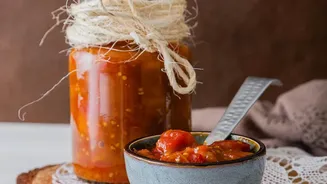
Zero-Waste Citrus Chutney Recipe
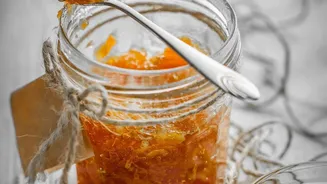
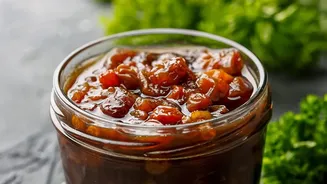
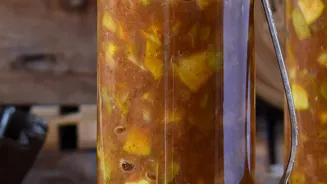
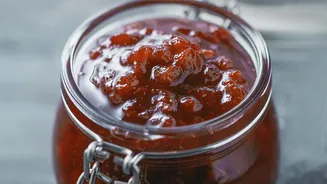
This recipe is a basic template, perfect for customisation. It works well with the peels of oranges, lemons, limes, or a mix of all three. For best results, use unwaxed, organic citrus if possible. Ingredients: - 2 cups of citrus peels, white pith included, finely chopped - 1 large onion, finely chopped - 1 apple, peeled, cored, and chopped - 2 cloves of garlic, minced - 1-inch piece of ginger, grated - 1/2 cup of raisins or sultanas - 1 cup of vinegar (apple cider or white wine) - 3/4 cup of sugar (or adjust to taste) - 1 teaspoon of mustard seeds - 1/2 teaspoon of salt Instructions: 1. Prepare the peels: To reduce some of their natural bitterness, it's a good idea to blanch the chopped peels. Place them in a pot, cover with cold water, bring to a boil, and let them cook for about 5 minutes. Drain and repeat the process once more. This softens the peels and mellows their flavour. 2. Sauté aromatics: In a large, heavy-bottomed pot, sauté the onion until soft and translucent. Add the garlic and ginger and cook for another minute until fragrant. 3. Combine ingredients: Add the blanched citrus peels, chopped apple, raisins, vinegar, sugar, mustard seeds, and salt to the pot. Stir everything together well. 4. Simmer: Bring the mixture to a gentle boil, then reduce the heat to low. Let the chutney simmer, stirring occasionally, for at least 45-60 minutes. The chutney is ready when the peels are tender and the liquid has reduced to a thick, jam-like consistency. 5. Jar and mature: Ladle the hot chutney into sterilised glass jars and seal them. For the best flavour, allow the chutney to mature for at least a week in the refrigerator before enjoying. This allows the flavours to meld and deepen.
Customisation and Serving Suggestions
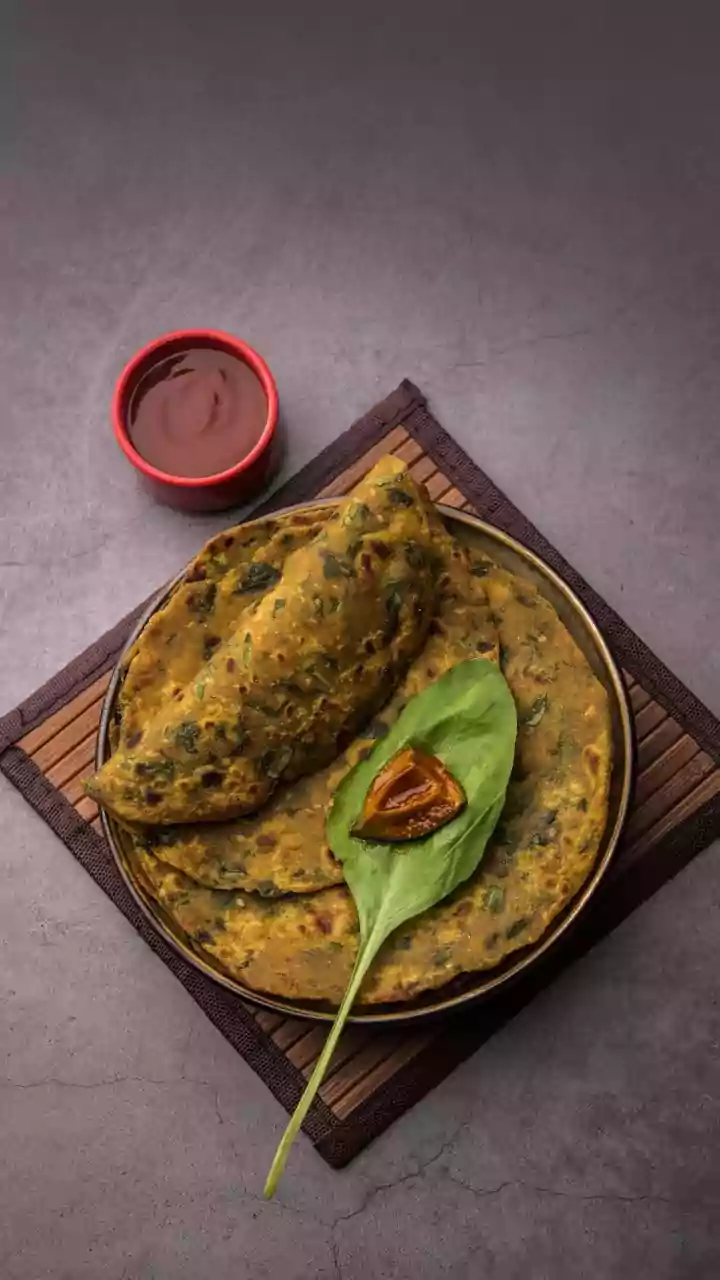
Feel free to make this recipe your own. Add a pinch of chilli flakes for heat, a cinnamon stick for warmth, or a star anise for a touch of spice. You can also experiment with different dried fruits, like chopped dates or apricots. This versatile citrus chutney is a fantastic accompaniment to a wide range of dishes. Serve it alongside cheese and crackers for a simple appetiser. It adds a zesty kick to grilled meats, roasted vegetables, and sandwiches. You can even stir a spoonful into curries or stews to brighten up the flavour profile. Its sweet, tangy, and slightly bitter notes make it a unique and memorable addition to any meal.