



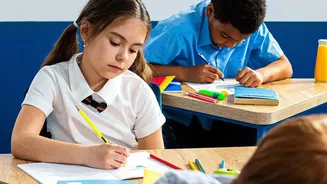


An Annual Lockdown for Young Lungs
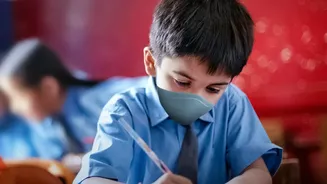
For children in Delhi and the National Capital Region (NCR), November has become a month of forced confinement. As air quality plummets to 'severe' levels, authorities have implemented Stage III of the Graded Response Action Plan (GRAP), advising hybrid
classes for students up to Class 5. This now-familiar routine means a sudden halt to outdoor play, school commutes, and face-to-face time with friends. While aimed at protecting their vulnerable lungs from toxic air, this annual disruption forces children into a quasi-lockdown, replacing physical activity and social learning with screens and indoor isolation. This abrupt shift from normal life is more than just an inconvenience; it's a significant environmental stressor that is increasingly linked to mental health concerns.
The Invisible Toll: From Air Quality to Anxiety
The impact of being housebound extends beyond physical restlessness. Experts warn that the combination of disrupted routines, reduced social interaction, and the underlying awareness of a constant environmental threat can trigger or worsen anxiety in children. This 'eco-anxiety' is a form of emotional distress linked to environmental problems. Children may feel worried, irritable, or fearful. Research increasingly shows a direct link between air pollutants and mental well-being, but the secondary effects of confinement are just as concerning. The lack of large-muscle activity that outdoor play provides can manifest as restlessness, difficulty concentrating, and trouble sleeping, all of which are classic signs of anxiety.
Recognising the Warning Signs in Children
For parents, distinguishing between boredom and genuine anxiety can be challenging. Psychologists suggest looking for persistent changes in behaviour. Common warning signs include increased irritability, frequent emotional outbursts, a new or heightened fear of being alone, and changes in sleep patterns or appetite. Some children may become more withdrawn and lose interest in activities they previously enjoyed, while others might exhibit more 'acting out' behaviours like defiance or aggression. Another key indicator is an increase in physical complaints like headaches or stomach aches that don't have a clear medical cause. Paying close attention to these shifts is the first step in providing the right support.
Navigating the Double-Edged Sword of Screens
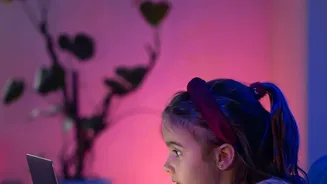
While online classes offer educational continuity, the complete shift to screen-based learning and entertainment comes at a cost. It removes the natural movement breaks and social cues that are integral to a school day. When outdoor play is also off-limits, screens become the default activity, further reducing the vigorous physical movement that children need to regulate their energy and mood. Experts point out that replacing active play with sedentary screen time often makes restlessness and difficulty settling worse, not better. This creates a challenging cycle for parents trying to keep their children safe from toxic air while also managing their energy and emotional needs indoors.
How Parents Can Build a Supportive Indoor World
Parents can take several proactive steps to mitigate the psychological impact of this confinement. Validating a child's feelings of frustration or worry is crucial; dismissing them can make a child feel misunderstood. Establishing a predictable daily routine, even without school, provides a sense of stability. It's also vital to build vigorous physical activity into the day. This could involve creating indoor obstacle courses, having dance parties, or trying 'animal walks' like bear crawls. Finally, focus on what you can control. Engaging children in small, empowering activities like helping to care for indoor plants or sorting recycling can give them a sense of agency and counter feelings of helplessness about the larger pollution problem.