




The Crucial Role of Fibre
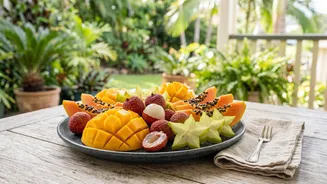
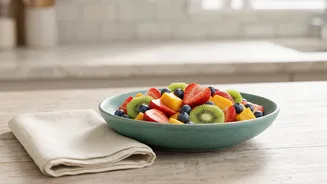
The single biggest difference between eating a whole fruit and drinking its juice is the fibre content. Whole fruits are packed with dietary fibre, which is largely removed during the juicing process—even in cold-pressed varieties. This fibre is essential
for good health. It aids digestion, helps maintain a healthy gut, and plays a vital role in making you feel full and satisfied. When you eat an apple, for example, its fibre slows down digestion, preventing a sudden rush of sugar into your bloodstream. That same apple, when juiced, loses this crucial component, changing how your body processes it entirely.
The Unseen Sugar Spike
Without fibre to slow things down, the natural sugars in fruit juice hit your system all at once. Drinking a glass of fruit juice can cause a rapid spike in blood sugar levels, similar to what happens when you drink a sugary soft drink. This is because the sugar in juice is considered 'free sugar', no longer bound within the fruit's cellular structure. In contrast, the sugar in whole fruit is 'intrinsic', and its absorption is slowed by the presence of fibre. This slower release provides sustained energy and avoids the sharp peaks and subsequent crashes in blood sugar and insulin levels, which is particularly important for preventing conditions like type 2 diabetes.
The Satiety and Weight Management Factor
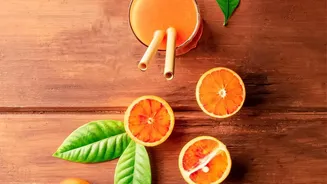
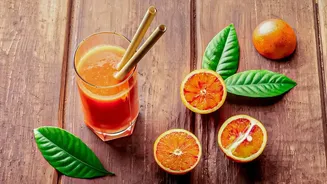
Have you ever noticed how you can easily drink a juice made from three or four oranges, but eating that many whole oranges would feel like a very large snack? This is the satiety factor at play. The physical act of chewing and the bulk from fibre and water in whole fruits signal to your brain that you are full. Studies have consistently shown that solid foods provide a greater sense of fullness than liquids. People who consume whole fruit tend to eat fewer calories overall compared to those who drink juice. Because juice is less filling, it's easy to consume a large number of calories quickly without feeling satisfied, which can contribute to weight gain over time.
Are You Losing Valuable Nutrients?
The term 'cold-pressed' suggests a superior method that preserves all the goodness of the fruit. While it's true that cold-pressing generates less heat than traditional centrifugal juicing, nutrient loss is still a factor. The process of extracting juice removes the pulp and skin, which are rich in not only fibre but also antioxidants and other plant-based compounds called phytonutrients. Some of these beneficial compounds are bound to the fibres of the fruit, so when the fibre is discarded, so are they. Furthermore, once juiced, the vitamins and antioxidants begin to degrade when exposed to oxygen and light. A whole fruit, with its natural packaging, keeps all its nutrients intact until you're ready to eat it.
A Kinder Choice for Your Wallet
Beyond the nutritional debate, there's a practical aspect to consider: cost. A single bottle of premium cold-pressed juice can be quite expensive. When you break it down, the price often far exceeds the cost of buying the equivalent amount of fresh, whole fruit. Opting for a whole apple, banana, or a handful of grapes is not only a healthier choice but also a more economical one. By choosing the whole fruit, you are getting more nutritional value—including all the fibre and a complete nutrient profile—for a fraction of the price. This simple switch allows you to invest in your health without straining your budget.