






The AI Power Paradox
Artificial intelligence is no longer a futuristic concept; it's a core engine of business growth in India, fueling everything from financial services to healthcare. This boom, however, comes with a significant physical cost. AI models, especially during
the training phase, require enormous computational power, which translates into unprecedented energy consumption and heat generation within data centres. Traditional data centres, built for older workloads, are struggling to keep up. Projections show that electricity demand from Indian data centres is set to skyrocket, with AI being a primary driver, potentially reaching between 5.5 and 6.5 GW by 2030. This surge not only strains the power grid but also inflates operational costs, creating a critical bottleneck for India's digital aspirations.
Beyond the Traditional CPU
The heart of the solution lies in specialized processors. For years, the Central Processing Unit (CPU) was the workhorse of computing, handling sequential tasks effectively. AI, however, thrives on parallel processing—performing millions of similar calculations simultaneously across vast datasets. This is where Graphics Processing Units (GPUs) excel. Originally designed for rendering video game graphics, GPUs contain thousands of cores that can tackle AI and machine learning tasks far more efficiently than CPUs. While CPUs remain essential for general system operations, modern AI infrastructure relies on a partnership, using CPUs for orchestration and GPUs to accelerate the heavy lifting of AI computation. This combination ensures that processing power is used intelligently, maximising performance for resource-intensive AI applications.
The Cooling Conundrum
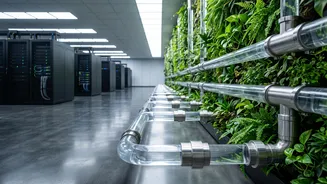
With great power comes great heat. An AI-optimised server rack can draw over 100 kW of power, compared to just 5-10 kW for a traditional rack, generating extreme temperatures that conventional air conditioning cannot handle. This is forcing a rapid industry shift from air to liquid cooling. Solutions like direct-to-chip cooling, where coolant circulates through plates attached directly to hot processors, are becoming essential. These systems remove heat far more efficiently, allowing data centres to pack more computing power into the same space while significantly improving energy efficiency. Companies like NTT, Yotta, and others are already deploying various liquid cooling technologies in India, aiming to reduce their Power Usage Effectiveness (PUE) and prepare for the next generation of AI hardware.
Building an End-to-End Ecosystem
Efficient hardware isn't just about processors and cooling; it's an entire ecosystem. This includes high-density power distribution units (PDUs) that can handle the massive electrical loads of AI racks and uninterruptible power supplies (UPS) ready for energy storage to buffer grid fluctuations. High-speed networking is also critical to move massive datasets between servers and storage without creating bottlenecks. Furthermore, the physical racks and enclosures must be designed to accommodate the heavy-duty power and cooling infrastructure. Recognizing this need, strategic alliances are forming in India to build a domestic supply chain for this specialized equipment, aiming to reduce reliance on imports and create a self-sufficient AI hardware ecosystem.
A Strategic Imperative for India
The push for efficient hardware is more than just a technical upgrade; it's a strategic imperative for India's future as a global technology leader. The government's 'IndiaAI Mission' and data localisation policies like the Digital Personal Data Protection Act are accelerating demand for sovereign data infrastructure. By building AI-ready data centres that are powerful, efficient, and sustainable, India can not only support its burgeoning domestic digital economy but also position itself as a creator and exporter of AI capabilities. Successfully managing the power and cooling challenges with efficient hardware will be the key that unlocks India's potential to become a true AI powerhouse, ensuring its growth is both rapid and responsible.