








Go Beyond Basic Property Listings
The traditional way of finding a Paying Guest (PG) or rental flat involves endlessly scrolling through property portals. While useful, these listings only tell part of the story. A cheap rental might be in an unsafe or inconvenient neighbourhood, a fact
that static photos and a broker’s description won't reveal. The modern solution is to become a digital detective. By layering information from various crowdsourced platforms, you can build a comprehensive understanding of a location before you even visit. This approach moves beyond just price and pictures, focusing on liveability, safety, and convenience as reported by real people.
Start Your Digital Recce with Maps
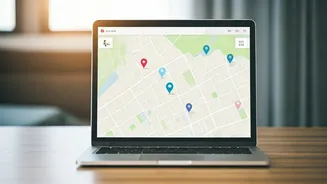
Before you even look at a specific property, explore the neighbourhood virtually. Google Maps is your first and most powerful tool. Start by dropping a pin on the potential area. Use Street View to take a virtual walk. Does the area look well-maintained? Are the streets well-lit? Check the user-submitted photos and reviews for nearby parks, shops, and restaurants. This gives you an unfiltered glimpse into the local atmosphere. Pay close attention to the transport links. How far is the nearest metro station or bus stop? Check the reviews for these public transit points, as commuters often leave practical feedback about crowds, safety, and frequency.
Leverage Housing Portal Map Features
Most major Indian property portals like Housing.com, 99acres, and MagicBricks have powerful map-based search functions that are often underutilised. Instead of searching with a text-based location, switch to the map view. You can draw a custom search area around your university campus. These portals often overlay key data points directly onto the map, such as nearby schools, hospitals, ATMs, and markets. Some even have crowdsourced ratings for societies or buildings, including scores for amenities, connectivity, and lifestyle. This allows you to visually compare multiple listings based on their immediate surroundings, not just their price per square foot.
Cross-Reference with Dedicated Safety Apps
Safety is non-negotiable, especially for students living away from home for the first time. While no app can guarantee safety, some provide invaluable crowdsourced data. Apps like Safetipin, for example, collect data on safety parameters across cities in India. They use user input and trained auditors to generate a “Safety Score” for different areas based on factors like lighting, walkability, visibility, and the presence of people on the street. Before finalising a locality, check its safety score on such a platform. This provides an objective, data-driven layer to your assessment that goes beyond a gut feeling from a brief visit.
Tap into the Ultimate Crowdsourced Resource: Students
The most reliable information comes from those who have lived it. Your seniors and peers are your best resource. Dive into online student communities. Subreddits for specific cities (e.g., r/delhi, r/mumbai) or universities often have threads where students discuss the pros and cons of different neighbourhoods and PGs. Facebook groups dedicated to student housing in cities like Pune, Bengaluru, or Delhi are treasure troves of honest reviews, warnings about bad landlords, and recommendations for reliable brokers. Don’t be shy to ask specific questions: “Is this area safe to come back to after late-night classes?” The answers you get will be more candid and practical than any official listing.
Synthesise and Verify in Person
After conducting your digital research, you should have a small shortlist of 3-4 promising options. Now, it’s time to put boots on the ground. The goal of this digital process is not to replace in-person visits but to make them highly efficient. You are no longer visiting blindly; you are visiting to verify what you've already learned. During your visit, check if the reality matches the Street View. Visit at different times of the day, especially after dark, to assess the safety and atmosphere. Talk to people in the neighbourhood. Your digital homework ensures that you’re only spending your valuable time and energy on places that have already passed a rigorous initial screening.