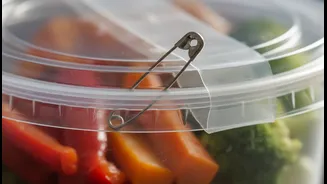









A Small Pin, A Serious Hazard
From local bakeries sealing cake boxes to street vendors packaging samosas, the use of staple pins to fasten food parcels is a widespread sight. While convenient for sellers, these small metal fasteners were never designed for food contact. The Food Safety
and Standards Authority of India (FSSAI) has noted that the practice is common for sealing everything from sweet boxes and snack pouches to takeaway meals. The core issue is that these staples can easily become dislodged and find their way into the food. What follows is a significant public health hazard, as consumers may accidentally swallow the sharp metal object without realising it until it's too late.
The Risks of Accidental Ingestion
Swallowing a staple pin is far from a minor inconvenience. Medical experts warn that it can lead to a range of serious injuries. These include cuts to the mouth, throat, and food pipe, which can cause pain and require emergency medical intervention. A staple pin poses a significant choking hazard, especially for children. In severe cases, if a pin enters the windpipe instead of the food pipe, it can cause a life-threatening obstruction to breathing. Beyond the physical danger, there are also contamination risks. Metal staples can rust, and this rust can lead to infections if ingested. They are not manufactured to be food-grade, meaning they can carry germs and other contaminants that are unsafe for consumption.
What the Official Rules Say
The FSSAI has been clear and firm on this issue. Citing the risk to public health, the authority has issued directives banning the use of metallic pins, staple wires, and similar materials for packaging any food items. This ban is not new; advisories against using stapled tea bags have been in place for years. More recent directives, including one in June 2026, have expanded this ban to cover all forms of food packaging, from takeaway parcels to decorative elements on cakes. The regulation falls under the Food Safety and Standards Act, 2006, which mandates that food must be safe and packaging materials should not pose a risk. Food businesses are instructed to use safer alternatives like food-grade adhesive tapes, heat sealing, or integrated package closures.
Why the Practice Persists Despite the Ban
If staples are banned, why are they still so common? The gap between regulation and enforcement often comes down to a lack of awareness and resources. Many small food business operators, particularly in the unorganised sector, may not be aware of the specific FSSAI directive. For them, staples are a quick, cheap, and effective way to seal packages. On the other side, regulatory bodies sometimes face staff shortages, making it difficult to conduct widespread inspections, especially of the countless small vendors and takeaway joints. This is where consumer awareness becomes a powerful tool. When customers are informed and vigilant, they can act as the 'eyes and ears' of the food safety authority, bridging the enforcement gap from the ground up.
Your Role as an Empowered Consumer
As a consumer, you have the power to drive change. The first and simplest step is to be observant. Before accepting a food parcel, check how it is sealed. If you see staple pins, you have the right to refuse it or ask the vendor to repackage it safely. Use this as an opportunity to politely inform the seller about the FSSAI ban and the associated health risks. Many vendors are simply unaware and will comply when informed. By raising this issue, you not only protect yourself but also help educate the business owner, preventing potential harm to future customers. Collective consumer action sends a strong message to the market that safety standards are non-negotiable.
How to Formally Report a Violation
If a vendor refuses to comply or you want to report a larger business, FSSAI has created accessible channels for lodging complaints. The 'Food Safety Connect' mobile app, available on both Android and iOS, is a powerful tool for this. Using the app, you can file a grievance, upload photographic evidence (like a picture of the stapled package), and track the status of your complaint with a unique ID. Alternatively, complaints can be filed through the FSSAI's online consumer grievance portal. When filing a complaint, try to provide as much detail as possible, including the name and address of the food business. This information empowers the authorities to take targeted action.