



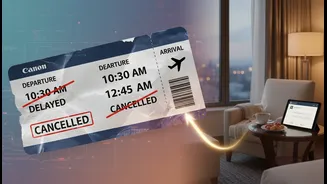


Understanding Your Rights: The DGCA Passenger Charter
When your flight is significantly delayed, you aren't powerless. Air passenger rights in India are governed by a set of rules from the Directorate General of Civil Aviation (DGCA). These regulations, often summarized in the Passenger Charter, outline
the specific obligations airlines have towards their passengers during disruptions like long delays and cancellations. These are not goodwill gestures; they are legal requirements that apply to all airlines operating to, from, and within India. Knowing what you are owed is the first step to ensuring you receive the proper care and assistance.
When Do the Delay Rules Kick In?
The rules don't apply to every minor delay. The clock starts ticking when the delay hits a specific threshold, which depends on the length of your flight. For most domestic flights, your right to assistance begins once the delay is expected to be two hours or more. At this point, the airline's 'duty of care' obligations are triggered. It’s important to note that these entitlements apply provided you have checked in for your flight on time. Keep an eye on the announced departure time, as your entitlements grow the longer the delay gets.
Your Entitlement to Meals and Refreshments
The first level of assistance you are entitled to during a significant delay is meals and refreshments. Once your flight delay surpasses the two-hour mark (for shorter flights) or longer for other flights, the airline is obligated to provide you with free meals and drinks appropriate for the time of day. This is a non-negotiable right, and you should not have to pay for this assistance. If airline staff aren't proactively offering vouchers, you should approach their service desk at the airport and politely request them.
Right to an Alternate Flight or Full Refund
If the delay becomes excessively long, your options expand. For domestic flights delayed by more than six hours, the airline must give you a choice: either a full refund of your ticket or an alternative flight. This is your decision to make, not the airline's. This rule applies when the airline reschedules your flight well in advance, but it also provides a framework for how to handle extreme on-the-day delays. If you choose a refund, it must be processed within a set timeframe—seven days for credit card payments and immediately for cash payments.
When Are You Owed a Hotel Stay?
An overnight delay is a major disruption, and the rules account for this. If your flight is delayed for more than 24 hours, or for delays of six hours or more for flights scheduled to depart between 8 p.m. and 3 a.m., the airline must provide you with free hotel accommodation. This also includes the cost of transfers between the airport and the hotel. Airlines are required to pay particular attention to the needs of persons with reduced mobility and their companions during such disruptions. This provision ensures you are not left stranded at the airport overnight.
What About 'Force Majeure' Events?
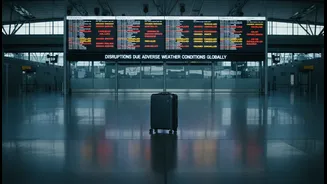
Airlines are exempt from paying financial compensation for delays caused by 'extraordinary circumstances' beyond their control. This is often called 'force majeure' and includes events like extreme weather, political instability, and air traffic control restrictions. However, even in these situations, the airline's duty of care often still applies. They must typically still provide meals, refreshments, and hotel accommodation for overnight delays, regardless of the cause.
How to Assert Your Rights
If you find yourself in a delay situation, stay calm and be persistent. First, approach the airline's staff at their airport counter or help desk. Have your booking reference, boarding pass, and any communication from the airline ready. Clearly state the length of your delay and request the specific assistance you are entitled to. If the airline staff are uncooperative, you can escalate the issue. Mentioning the DGCA regulations can often be effective. If you are still not provided with the required assistance, your next step is to file a formal complaint through the government's AirSewa portal or app, which is designed for this purpose.