






The Rise of the ‘Pet Parent’
One of the biggest drivers of this change is the “humanization” of pets. Today, a vast majority of owners consider their pets to be family members, a sentiment particularly strong among younger generations like millennials and Gen Z. This shift in perspective
means that what’s good enough for people is now the standard for their pets. Just as consumers scrutinise the ingredients in their own food, they are now applying the same logic to their dogs' bowls. This has led to a surge in demand for high-quality, premium pet food options that mirror human health and wellness trends. In India, where pet ownership is growing rapidly, this trend of treating pets as family is also fuelling demand for better nutrition.
A Quest for Quality and Transparency
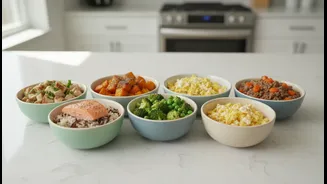
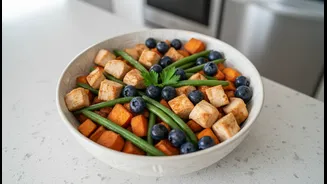
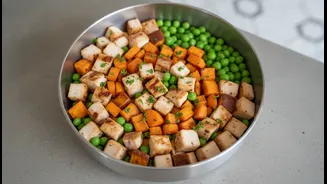
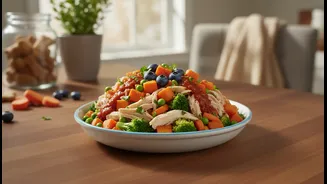
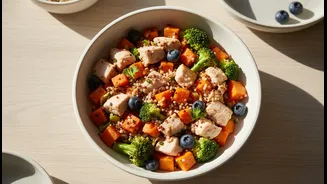
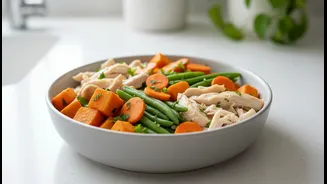
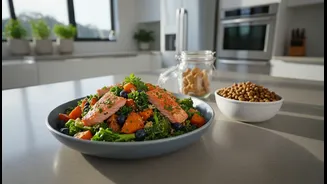
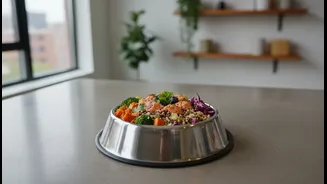
Modern pet owners are more informed and discerning than ever. They are increasingly wary of the fillers, artificial preservatives, and vaguely named ingredients like ‘meat meal’ often found in conventional kibble. The demand is now for clean labels with short, recognisable ingredient lists. Fresh food brands have capitalised on this by offering recipes made with human-grade meats and fresh vegetables. Some even operate with open-to-the-public kitchens to build trust through full transparency. While dry kibble still dominates the market in terms of volume, its growth is slowing, whereas fresh, refrigerated, and frozen options are seeing rapid, double-digit growth. Research firms estimate the fresh segment will expand significantly, outpacing all other pet food categories.
The Wellness and Health Factor
Concerns over pet health are a major motivator for switching from kibble. Pet owners are increasingly looking for foods that provide functional benefits, such as improved digestion, better coat health, and weight management. Fresh diets, often formulated by veterinary nutritionists, are perceived as more nutritious and bioavailable, meaning the nutrients are more easily absorbed by the dog's body. Vets have also noted that the palatability of fresh food can be a significant benefit for dogs with health issues that suppress their appetite. This focus on food as a form of preventative healthcare is a direct spillover from human wellness trends, where nutrition is seen as key to longevity and vitality.
The Convenience of Customisation and Delivery
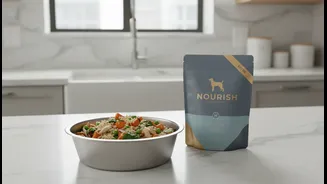
The rise of bespoke pet food is also a story about modern convenience. Many fresh food companies operate on a direct-to-consumer (DTC) subscription model. These services use online quizzes to gather data about a dog's age, breed, weight, and health conditions to create customised meal plans. The pre-portioned meals are then delivered directly to the customer's door, eliminating the need to haul heavy bags of kibble from a store. For busy urban pet owners, this combination of personalisation and convenience is a powerful draw, with a majority of subscribers citing convenience over cost savings as their primary motivation. This e-commerce approach has proven particularly popular, with online sales now accounting for a significant share of the pet food market.
How the Kibble Giants are Responding
Traditional pet food manufacturers have taken notice of this competitive threat. Rather than concede the market, major players like Mars (owner of Royal Canin) and General Mills (owner of Blue Buffalo) are entering the fresh food space themselves. They are launching their own lines of gently cooked or refrigerated products, aiming to meet the growing consumer demand. Many are also promoting a “hybrid feeding” model, encouraging pet owners to use fresh food as a topper or mixer with traditional kibble. This strategy allows them to retain customers while acknowledging the clear shift in consumer preference toward fresher, less-processed ingredients.