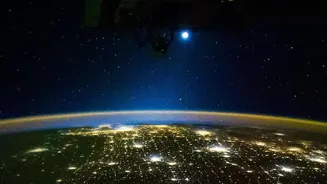


A Human Outpost in the Sky
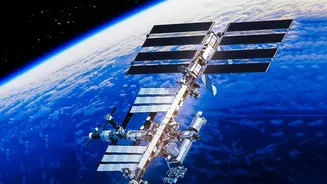
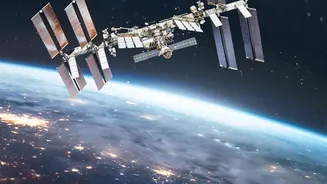
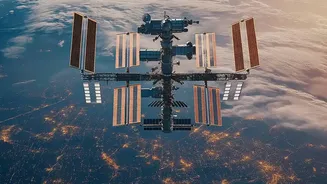
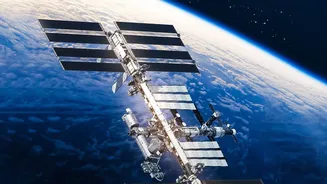
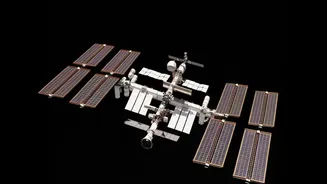
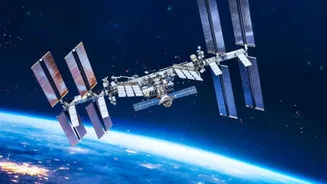
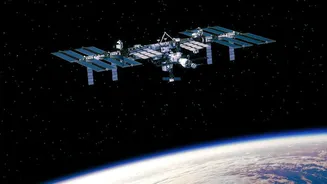
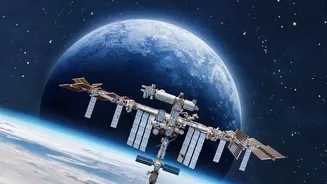
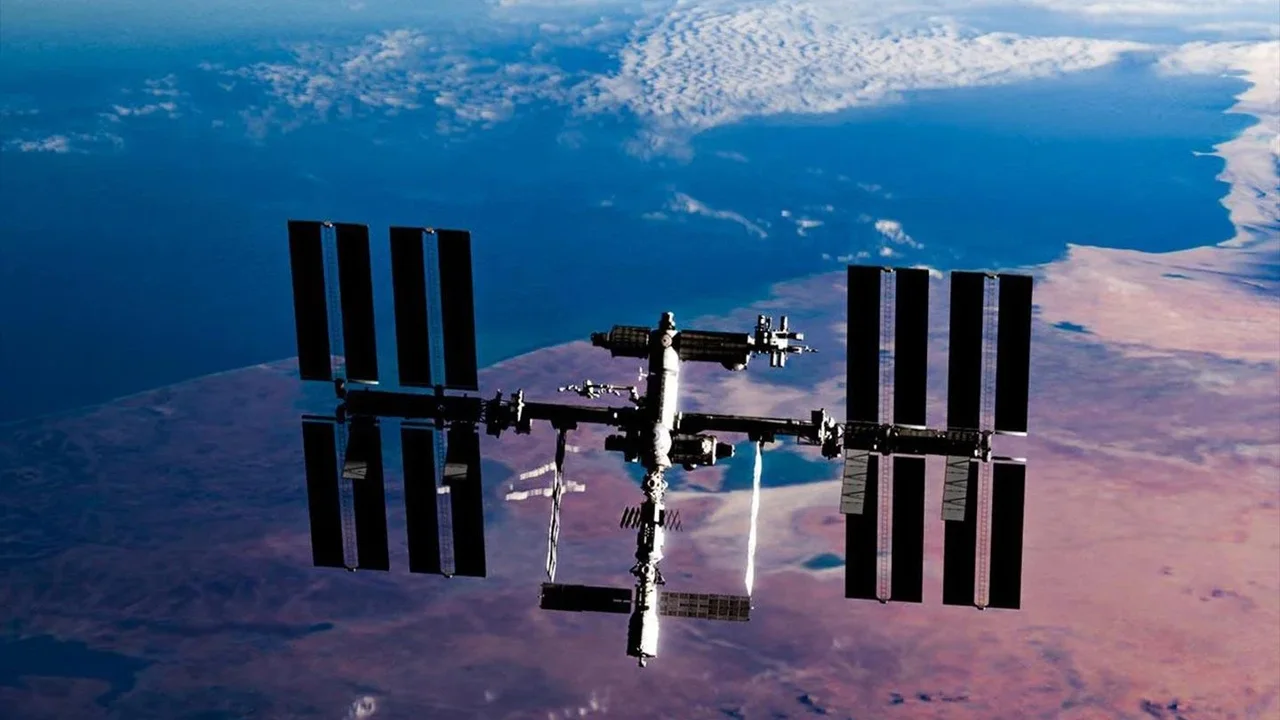
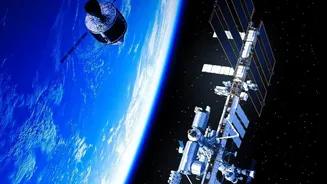
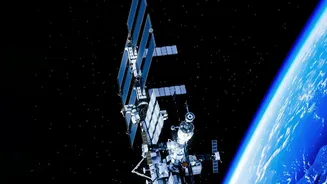
The International Space Station (ISS) is the largest single structure humans have ever put into space, a sprawling orbital laboratory built through the cooperation of 15 nations. Orbiting at an altitude of about 400 kilometres, it circles the Earth every
92 minutes at a blistering speed of over 27,000 km/h. For over two decades, it has been continuously occupied by astronauts conducting research that's not possible on our planet. Because of its enormous solar arrays, which cover about an acre, the ISS reflects a significant amount of sunlight. This makes it the third brightest object in the night sky after the Moon and Venus, and easily visible to the naked eye if you know when and where to look.
Your Phone as a Personal Planetarium
In the past, spotting the ISS required checking complex orbital charts and timetables. Today, the smartphone in your pocket is the only tool you need. Skywatching applications use your phone's GPS and clock to do all the heavy lifting. They calculate the station's precise orbital path relative to your exact location on Earth. The apps can then tell you the exact time a pass will start, the path it will take across your sky, how high it will get, and how long it will be visible. Many even offer push notifications to give you a heads-up a few minutes before a visible pass, ensuring you never miss an opportunity.
Top Apps for ISS Spotting
Choosing an app can be overwhelming, but a few stand out for their user-friendly features. NASA's official Spot The Station app is an excellent starting point, offering simple, reliable alerts and an augmented reality (AR) view to help you pinpoint the station's location in the sky. Another popular choice is ISS Detector, which provides a clean interface and detailed information not just for the ISS but for other satellites as well. For those who want a more comprehensive sky map, apps like SkyView or Satellite Tracker offer AR overlays that identify stars, planets, and satellites as you point your phone towards them, making the experience both educational and immersive.
A Beginner's Guide to Your First Sighting
Once you've downloaded an app, the process is simple. First, grant the app permission to access your location; this is crucial for accurate predictions. Then, enable notifications to get alerts for upcoming passes. When you receive an alert, take a moment to understand the details. The app will tell you the time the sighting begins, where to look (e.g., 'appears in the West-Southwest'), the maximum height it will reach in the sky (90 degrees is directly overhead), and how long it will be visible, which is typically between three to six minutes. Higher passes are generally brighter and more spectacular.
Tips for a Perfect Viewing Experience
To make the most of your viewing, timing and preparation are key. The ISS is only visible when it's dark where you are but the station itself is still lit by the sun. This means the best viewing times are usually in the hour or two just after sunset or just before sunrise. Head outside about five minutes before the pass is scheduled to begin to let your eyes adjust to the darkness. Find a spot with a clear view of the horizon, away from tall buildings and bright city lights. Remember what you're looking for: a bright, steady point of light moving smoothly and quickly across the sky. Unlike an aeroplane, it will not have blinking lights. Sometimes, the station may seem to vanish in the middle of its path as it enters Earth's shadow, which is a normal part of the experience.