






The Science of Porous Clay
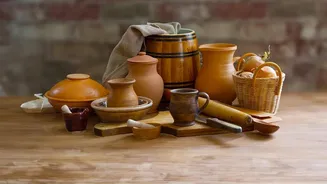
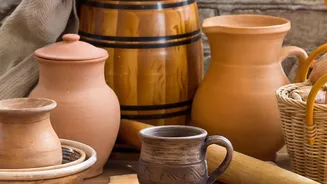
The secret to a clay pot’s magic lies in its porous nature. Unlike metal or glass, unglazed earthenware is filled with microscopic pores. When you soak a clay pot in water before cooking, these pores absorb and hold onto the moisture. As the pot heats
up in the oven or on the stove, this absorbed water is slowly released in the form of steam. This creates a moist, steamy environment inside the pot, which continuously bastes the food as it cooks, keeping it tender and juicy without needing much oil or water.
Gentle, Even Heat Distribution
Clay is a poor conductor of heat, which might sound like a disadvantage, but it’s actually a key benefit. While a metal pan heats up quickly and can create intense hot spots, a clay pot heats up slowly and distributes that warmth evenly throughout its walls and base. This gentle, consistent heat prevents food from burning and ensures that everything cooks uniformly, from the centre to the edges. This slow-cooking process is perfect for breaking down tougher cuts of meat until they are fork-tender and allows the complex flavours of a dish to meld together perfectly.
Locking In Nutrients with Natural Steam
The combination of slow, even heat and a constant circulation of steam is what makes clay pot cooking exceptionally good at preserving nutrients. Many essential vitamins and minerals are water-soluble and heat-sensitive, meaning they can be destroyed or leached out by harsh, high-heat cooking methods like boiling or aggressive frying. The gentle heat in a clay pot is less likely to break down these delicate nutrients. Furthermore, because the steam is trapped and circulates within the pot, water-soluble nutrients that turn to vapour are reabsorbed back into the food instead of escaping.
Enhancing Flavour and Reducing Oil
This cooking method doesn't just preserve nutrients; it amplifies taste. The slow cooking process allows spices and seasonings to penetrate deeply into the ingredients, creating a richer, more aromatic dish. Food simmers in its own juices, concentrating its natural flavours. Because the constant steam prevents sticking and keeps food moist, there is significantly less need for added fats and oils, making for a healthier meal without sacrificing taste. Clay is also naturally alkaline, which can help neutralize the acidity in foods like tomatoes, resulting in a subtly sweeter and more balanced flavour profile.
Practical Tips for Your Clay Pot
To get started, always choose unglazed, lead-free clay pots to ensure no unwanted chemicals leach into your food. Before the first use, and for about 15 minutes before each subsequent use, submerge your pot in cold water. A crucial rule is to never place a cold, wet clay pot into a preheated oven, as the sudden temperature change can cause it to crack. Instead, place it in a cold oven and let them heat up together. Cleaning is also simple: avoid soaps, which can get absorbed into the porous clay, and instead scrub with a stiff brush and hot water, or use salt as a natural abrasive.