





The Monsoon's New, Violent Rhythm
The predictable pattern of the Indian monsoon is changing. Instead of gentle, sustained showers that percolate deep into the soil, climate change is contributing to more extreme weather events. Scientists have observed a worrying trend: long dry spells
are now punctuated by short, intense bursts of heavy rainfall. This shift means that the total volume of rain might not change dramatically, but its delivery does. This 'all or nothing' rainfall pattern disrupts the delicate balance that forest ecosystems have adapted to over millennia, turning a life-giving force into a potential instrument of destruction.
From Nourishment to Erosion
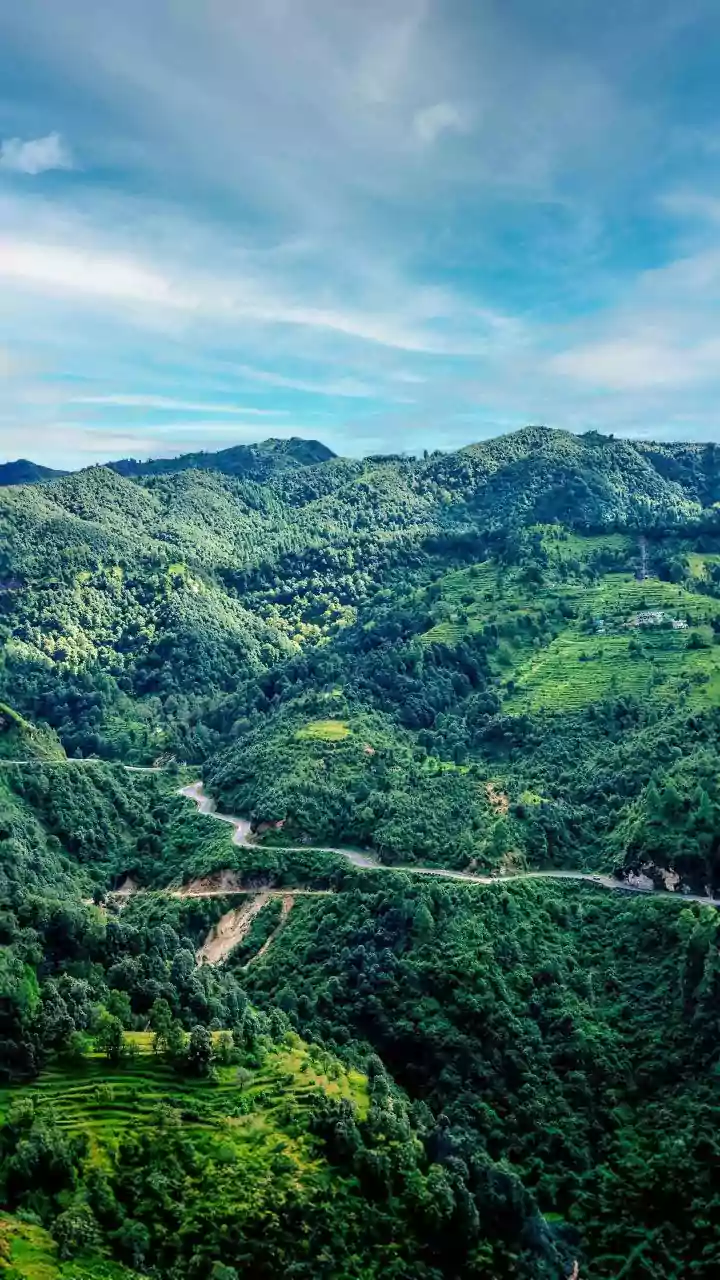
For forests, the way rain falls is just as important as the amount. Intense downpours on soil that has been baked hard by a prolonged dry spell do not get absorbed. Instead, the water runs off the surface, taking valuable topsoil and nutrients with it. This soil erosion starves the forest and can trigger landslides in hilly regions like the North East and the Himalayas. Following these deluges, the extended dry periods cause severe moisture stress. Trees become weakened, their growth is stunted, and their ability to perform photosynthesis is reduced. This dual assault of flood and drought conditions makes forests more vulnerable to disease, pests, and fire.
Some Forests Suffer More Than Others
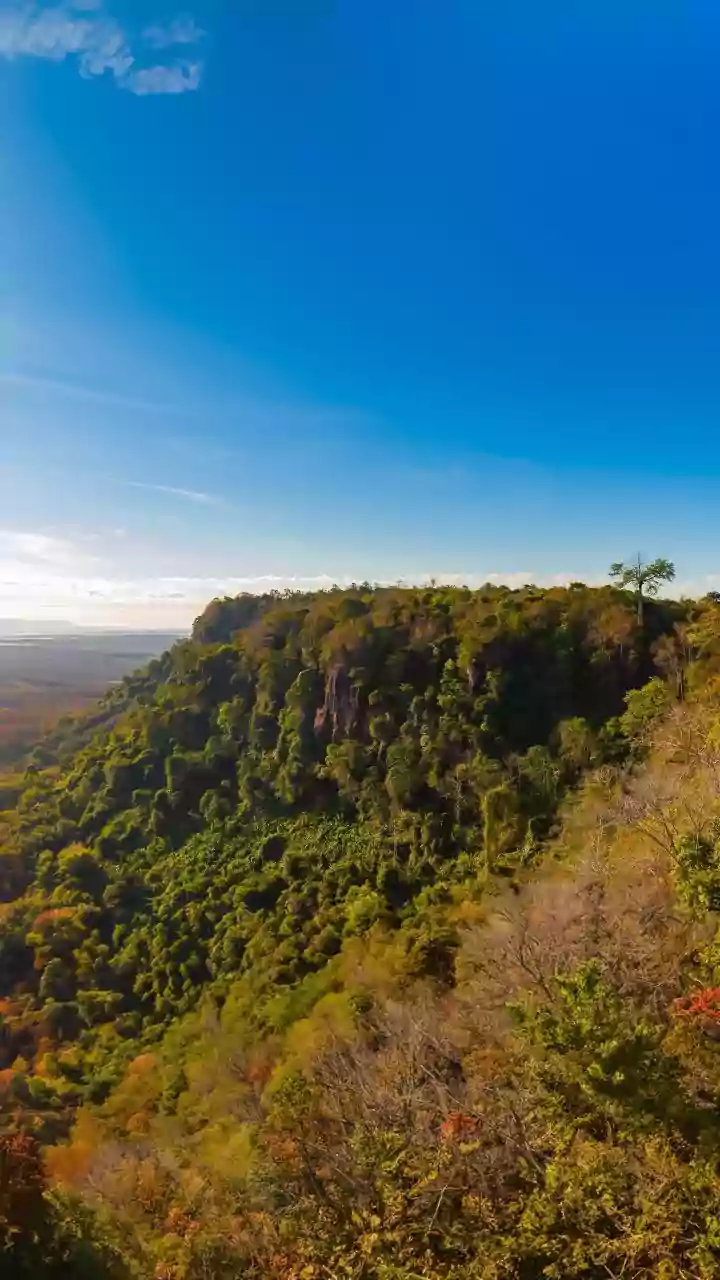
India's forests are not a monolith; different types respond to these changes in different ways. Dry deciduous forests, like the teak forests of Central India, are proving particularly vulnerable. A recent study in Madhya Pradesh's Panchmarhi Biosphere Reserve found that dry teak forests saw the highest loss in canopy cover, in part due to shifting rainfall and rising temperatures. These forests are adapted to dry conditions but function close to their moisture limit, making them less resilient to extended droughts. Conversely, even typically resilient moist forests, such as those in the Western Ghats, are under threat. Changes in rainfall patterns can disrupt their phenology—the timing of natural events like flowering and fruiting—which has cascading effects on the entire ecosystem and its biodiversity.
The Silent Transformation
The consequences of altered rainfall extend beyond thirsty trees. A study in Uttarakhand highlighted that unpredictable rain and longer dry spells are facilitating the spread of chir pine into higher elevations, displacing native oak forests. This transformation of forest composition has serious implications for biodiversity, as the flora and fauna that depend on the original ecosystem may not be able to adapt. In Central India, studies have documented significant forest cover loss over decades, with patches degrading into scrubland. This loss is not just about disappearing trees; it's about the weakening of the forest's ability to act as a carbon sink, regulate water flow, and support the livelihoods of countless forest-dependent communities.
A Vicious Cycle in the Making
Forests are not just victims of changing rainfall; they are also key players in creating it. Through a process called evapotranspiration, forests release vast amounts of moisture into the atmosphere, which contributes significantly to local and regional rainfall. As forests are cleared or degraded, this natural water-recycling engine weakens. Studies have linked large-scale deforestation to a weakening of the monsoon itself, particularly over Northeast India and the Ganga Basin. This creates a dangerous feedback loop: climate change alters rainfall, which damages forests, which in turn further disrupts rainfall patterns, accelerating the cycle of degradation.