



The Global Gut Health Craze
It’s impossible to ignore the wellness world’s fascination with gut health. The term ‘probiotics’ has moved from niche health food stores to mainstream supermarket packaging. This newfound awareness is centred on the gut microbiome—the trillions of microorganisms
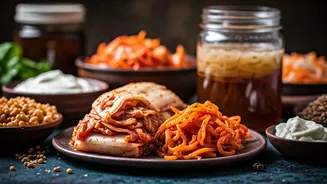
living in our digestive tracts. Scientific research increasingly links a healthy, diverse microbiome to everything from better digestion and stronger immunity to improved mental health. The key to nurturing this internal ecosystem? Consuming fermented foods. Fermentation is a natural process where microorganisms like yeast and bacteria break down carbohydrates. This not only preserves the food but also creates beneficial probiotics, enzymes, and B-vitamins, making the nutrients more bioavailable for our bodies. This global health awakening has paved the way for a rediscovery of traditional foods that have been providing these benefits for centuries.
India’s Timeless Fermentation Heritage
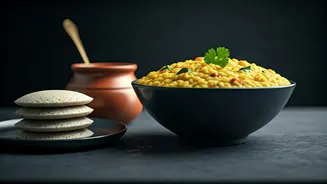
While the West may have recently discovered kefir and kimchi, fermentation has been an integral part of Indian culinary identity for millennia. It wasn't a trend; it was a practical solution for preservation in warm climates and a way to develop complex, umami-rich flavours. Every region, every community in India has its own unique fermented staples. The most famous examples are, of course, the South Indian breakfast heroes: idli and dosa. The light, airy texture of idlis and the crisp, tangy flavour of dosas are both products of a meticulously fermented rice and lentil batter. This process doesn't just make them delicious; it pre-digests the starches and proteins, making them easier on the stomach and increasing their nutritional value. But these beloved dishes are just the tip of the iceberg.
Beyond the Familiar Favourites
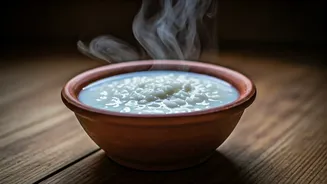
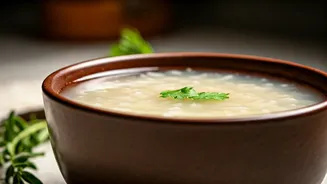
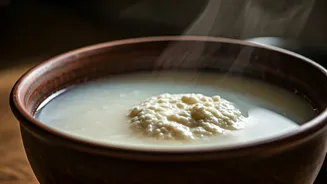
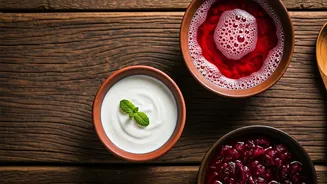
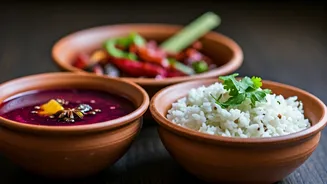
The real excitement lies in the vast and diverse world of Indian fermented foods that are now getting their moment in the spotlight. In the East, particularly in Bengal, Odisha, and Assam, there's *panta bhat*—cooked rice soaked in water and left to ferment overnight. Traditionally a humble farmer’s meal, it’s a natural coolant packed with nutrients, now being celebrated by celebrity chefs. From the North, we have *kanji*, a tangy, probiotic drink typically made with black carrots, beetroot, and spices, fermented in water for a few days. It's a seasonal winter delight known for its digestive properties. The North-East offers a treasure trove of fermented products like *gundruk* (fermented leafy greens) and *axone* or *akhuni* (fermented soybeans), which provide a powerful, pungent flavour base for many regional dishes. Even coastal regions like Goa have *sannas*, fluffy steamed rice cakes leavened with toddy (fermented coconut palm sap), which gives them a distinctively sweet and sour taste.
A Modern Culinary Revival
What’s driving this new wave of appreciation? It's a combination of factors. A younger generation of Indian chefs is proudly looking inward, exploring their roots and showcasing regional, forgotten recipes on modern menus. They are de-stigmatizing foods once seen as “poor man’s food” and re-presenting them in sophisticated contexts. Food bloggers and Instagrammers are also playing a crucial role, sharing recipes and stories behind these dishes, making them accessible to a wider urban audience. Furthermore, the Indian diaspora and global foodies are actively seeking authentic, healthful, and flavourful experiences, moving beyond the standard butter chicken and naan. The narrative is shifting from Indian food being just rich curries to it being a sophisticated and diverse cuisine with deep wells of nutritional wisdom.