

The Rise of the Micro-Cloud Kitchen
First, let's define the terms. A cloud kitchen, also known as a ghost or virtual kitchen, is a professional food preparation facility set up for delivery-only meals. There’s no storefront, no seating, and no waitstaff. This model drastically reduces the two
biggest expenses of a traditional restaurant: high-rent locations and front-of-house labour. A 'micro-cloud kitchen' takes this a step further. Often run by home chefs or small teams, these operations are even leaner, sometimes operating out of a small, dedicated commercial space or even a home kitchen converted for business. Their agility allows them to launch with minimal investment, test new concepts, and adapt quickly to consumer tastes, giving them a significant edge in a competitive market.
A Hunger for Authenticity
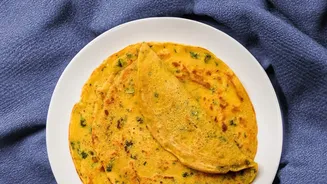
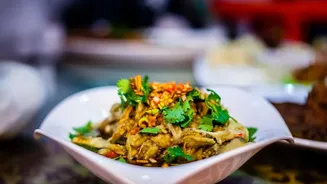
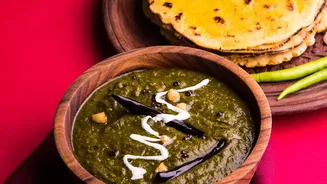
For years, urban Indian food delivery was dominated by homogenised North Indian, Chinese, and pizza options. But today’s consumer is looking for more. There's a growing appetite for authenticity, for flavours that tell a story, and for food that connects them to India's diverse cultural roots. This is where tribal cuisine comes in. Dishes from communities in Jharkhand, Nagaland, or Odisha, once largely unknown in metros, are finding a curious and appreciative audience. From Jharkhand's 'Dhuska' and 'Ajam Emba' to dishes featuring foraged greens and flowers, these recipes offer a taste of a different India. Entrepreneurs are recognising this demand, not just as a business opportunity but as a way to preserve and popularise their heritage.
The Winning Business Model
The success of these micro-kitchens isn't just about culture; it's a story of smart economics. The low initial investment is a huge draw for entrepreneurs. Without the burden of a physical restaurant, they can focus their capital on quality ingredients and marketing. Technology acts as the great equaliser. Food aggregator platforms like Zomato and Swiggy provide instant market access, putting a small kitchen in a dense residential area on the same screen as a massive restaurant chain. Furthermore, many of these businesses bypass aggregators altogether, using Instagram and WhatsApp to build a loyal community directly. This direct-to-consumer approach fosters a personal connection, allows for better customisation, and avoids the hefty commissions charged by delivery platforms, which can cripple larger, more dependent businesses.
More Than Food, It's a Story
What truly sets these kitchens apart is their brand story. They aren't just selling food; they're offering a cultural experience. Social media allows these chefs to share the history behind a dish, the origin of a rare ingredient, or the traditional cooking methods used. This narrative is incredibly powerful. A customer isn't just ordering dinner; they are participating in the revival of a disappearing cuisine and supporting a small, passionate entrepreneur. Initiatives like Samvaad by the Tata Steel Foundation have even partnered with hospitality giants to bring tribal home cooks and their recipes to a wider audience, further validating the appeal of this culinary heritage. This emotional connection builds a loyal customer base that returns for the food and the story behind it, something generic kitchens struggle to replicate.
Challenges on the Culinary Frontier
Despite the success stories, the path isn't easy. The very uniqueness of these cuisines presents challenges. Sourcing rare, seasonal, and authentic ingredients from remote villages can be a logistical nightmare. Educating customers who may be unfamiliar with the flavours and ingredients is another hurdle. And while the low barrier to entry is an advantage, it also means the market can become saturated quickly. Standing out requires not just excellent food but also savvy branding and consistent quality to ensure customers don't just order once out of curiosity but become repeat patrons. The dependence on delivery platforms, with their high commissions and changing algorithms, remains a structural risk for those who don't build their own direct channels.