


From 'Guest Room' to Everyday Hub
For decades, the living room in many Indian households served a single, monumental purpose: to impress guests. It was a space of performative hospitality, featuring imposing sofa sets, elaborately carved centre tables, and vast, polished floors meant
to be admired from a distance. Often, this room was kept under lock and key or covered in plastic, a pristine chamber only unveiled for formal occasions. This idea of luxury—equating grandeur with large, unused spaces—is rapidly being replaced. The modern Indian living room is being reclaimed by the family, transforming from a static showroom into a dynamic, fluid hub for conversation, relaxation, work, and entertainment.
The New Priorities: Comfort and Authenticity
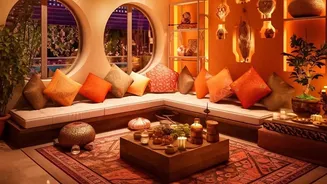
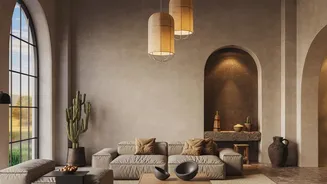
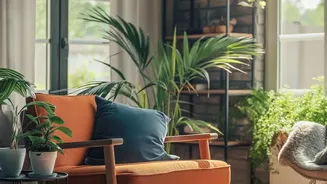
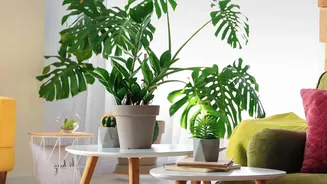
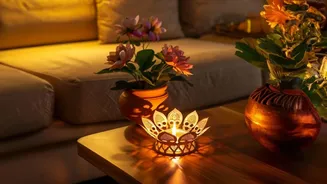
The shift is not just about changing furniture, but changing mindsets. Homeowners are now prioritising personal comfort and emotional well-being over social validation. The post-pandemic era, in particular, has accelerated this trend, with more time spent at home forcing a re-evaluation of how our spaces serve our daily lives. The focus is now on creating sanctuaries that feel personal and lived-in. This translates to warm, earthy colour palettes like terracotta, sand, and olive green replacing stark whites and cool greys. Sharp, boxy furniture is giving way to softer, curved silhouettes that feel more inviting and are easier to navigate in compact homes.
A 'Lived-In' Look: What It Means
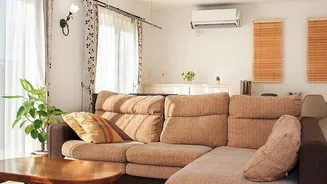
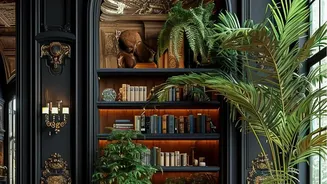
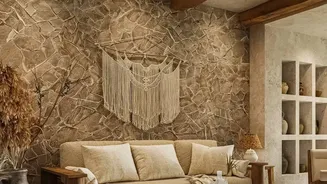
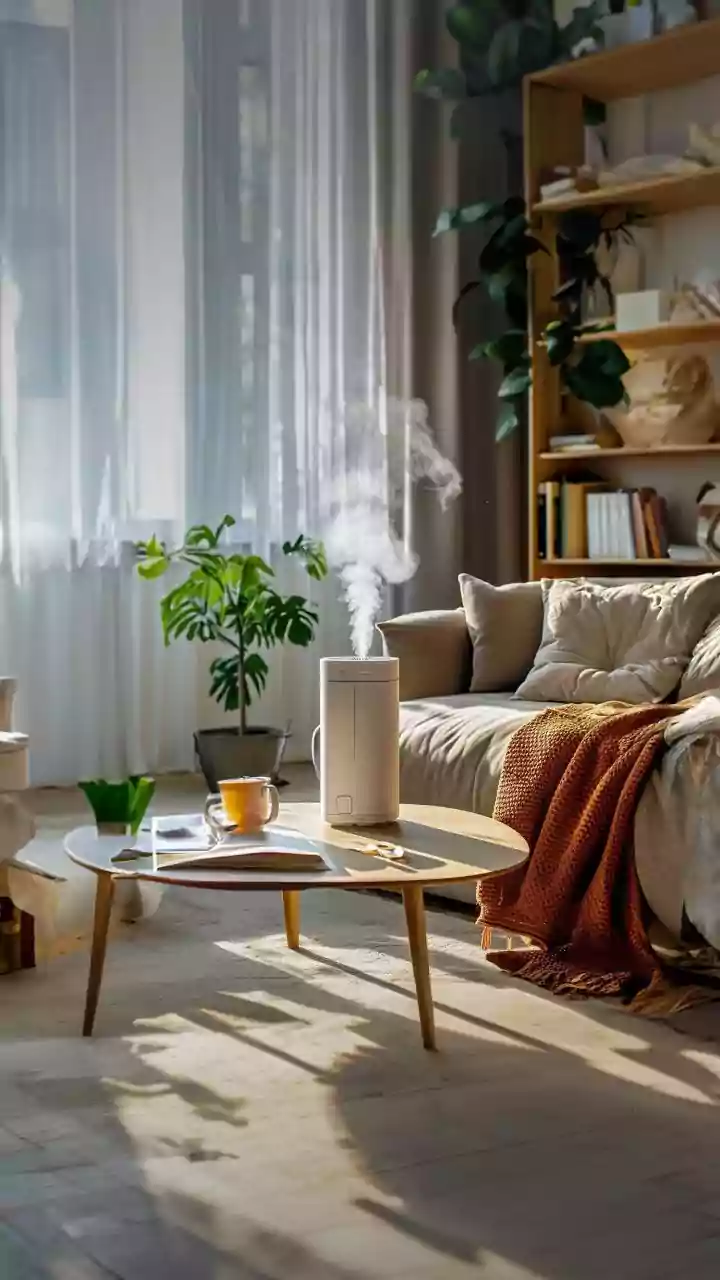
So, what does a 'lived-in' Indian home look like in 2026? It’s a space that tells a story. Instead of matching furniture sets, there's a curated mix of pieces that reflect individual taste. Natural and tactile materials are celebrated, with a resurgence of solid woods like teak and sheesham, alongside cane, rattan, and jute. These materials add warmth and texture, feeling grounded and authentic. The aesthetic is less about flawless perfection and more about 'warm minimalism' or a 'desi' take on Japandi—clean and uncluttered but rich with personality through handcrafted decor, textiles, and personal memorabilia. It’s about creating spaces that are soulful, not sterile.
Functionality is the New Luxury
With urban homes becoming more compact and lifestyles more flexible, multi-functionality has become a cornerstone of modern Indian design. The living room is now expected to multitask. A corner might serve as a home office during the day, a reading nook in the afternoon, and part of a larger entertainment area in the evening. This demand has spurred innovation in smart, modular furniture—think coffee tables that rise to become dining surfaces, sofas with hidden storage, and sleek, wall-mounted units that save floor space. The ultimate luxury today isn't a room you can't use; it's a room that adapts to everything you do.
A Reflection of Modern India
This evolution in the living room is more than just an interior design trend; it's a cultural barometer. It reflects a shift in Indian society towards greater individualism and a redefinition of home as a personal retreat rather than a social statement. The move away from display-first grandeur signifies a quiet confidence—a desire to build lives and homes that are authentic to oneself, not just impressive to others. It marks the transition from designing spaces for how a family ought to gather, to how they actually live, day to day. The Indian living room is finally, truly, being lived in.