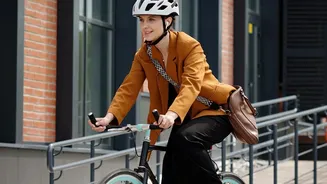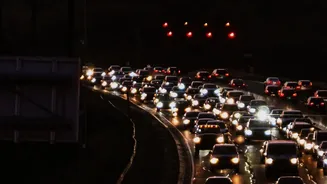







The Evening You Planned vs. The Evening You Get
For millions of urban professionals across India, the daily commute is a non-negotiable part of the day. Whether it's an hour on the Mumbai local, navigating Bengaluru's traffic, or jostling for space in the Delhi Metro, the journey takes more than just
time. It drains your physical and mental energy. You might start the day with high hopes, but by the time you walk through your front door, the overwhelming feeling is often exhaustion, not motivation. Studies consistently show that long commutes are linked to increased stress, fatigue, and a sense of time pressure, which directly impacts your well-being long after you’ve reached your destination. This creates a frustrating gap between the productive, relaxing evening you envision and the reality of just trying to recover.
It's Not Just Tiredness, It's Decision Fatigue
The real thief of your evening ambition isn't just physical tiredness; it's decision fatigue. Your brain makes thousands of decisions every day, and commuting adds a significant burden. Navigating traffic, anticipating delays, and simply enduring the sensory overload of a crowded journey depletes your mental reserves. By the time you get home, your capacity to make further choices—what to eat, whether to exercise, what to do with your free time—is severely diminished. This is why ordering takeaway feels easier than cooking, and scrolling on your phone feels more manageable than engaging in a hobby. The commute essentially consumes the willpower you had allocated for your personal life, leaving you running on empty before your evening has even truly begun.
Redefining a 'Good' Evening
The most powerful shift you can make is not to find more energy, but to change your expectations. A 'realistic' evening after a draining commute isn't about productivity; it's about restoration. Instead of judging your evening by what you did or did not accomplish, reframe it around what helps you recharge. The commute is a form of labour, and you need to recover from it. For some, that might mean a quiet cup of tea and some music. For others, it could be a short, gentle walk. The goal is to consciously transition from your work and travel self to your at-home self. This mental boundary is crucial. Without it, the stress of the day bleeds into your personal time, making true rest impossible.
Low-Effort, High-Reward Rituals
Fighting exhaustion with high-energy activities is a losing battle. The key is to build a toolkit of low-effort rituals that offer a high reward in terms of relaxation and peace. This could be as simple as creating a 'landing strip' at home where you drop your work bags and change into comfortable clothes immediately. Prepare simple meals over the weekend so you don't have to make decisions about dinner during the week. Instead of aiming for a full hour at the gym, try 15 minutes of simple stretching at home. Even listening to a specific podcast or playlist on the last leg of your journey can act as a signal to your brain that the day is winding down. The idea is to automate your recovery process so it requires minimal effort.
The Power of Intentional Inaction
In a culture that glorifies hustle, doing nothing can feel like a failure. But for a frequent commuter, intentional inaction is a superpower. Giving yourself permission to simply sit, do nothing, and decompress is a valid and necessary form of self-care. This isn't lazy; it's strategic rest. That period of quiet allows your nervous system to calm down after the heightened state of alert required for commuting. Resisting the urge to fill every moment with a task can help you reclaim your mental space. Acknowledge that after giving so much of your day to work and travel, your most important evening task is to prepare yourself mentally and physically for the next day. Sometimes, the most productive thing you can do is nothing at all.