




The Visa-Free Game Changer
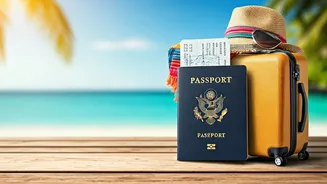
The single biggest catalyst for this travel phenomenon is Malaysia's new visa policy. In a move to boost tourism, Malaysia announced visa-free entry for Indian citizens for up to 30 days, effective from December 1, 2023. This decision instantly dismantled
one of the most significant barriers to spontaneous international travel: the tedious and often uncertain visa application process. Previously, planning a trip required weeks of lead time for paperwork and approvals. Now, a long weekend trip can be conceived on a Monday and executed by Friday. This policy shift has transformed Malaysia from a 'plan-ahead' destination to an 'on-a-whim' option, putting it in the same bracket of accessibility as domestic destinations for many Indians with a valid passport. Travel portals reported an immediate and dramatic spike in searches and bookings from India, some seeing a jump of over 30% in the weeks following the announcement.
Affordability Meets Aspiration
Beyond the ease of entry, Malaysia hits a sweet spot for the budget-conscious yet experience-hungry Indian traveller. The Malaysian Ringgit offers favourable exchange rates against the Indian Rupee, meaning your money simply goes further. A lavish meal, a luxurious hotel stay, or a shopping spree in Kuala Lumpur feels significantly more accessible than in destinations like Dubai, Singapore, or Europe. This perception of 'affordable luxury' is a powerful magnet. Groups can pool resources to stay in high-quality apartments or hotels with stunning city views, enjoy diverse culinary experiences from street food stalls to fine-dining restaurants, and shop for international brands without breaking the bank. For young professionals and millennials, it offers an international getaway that doesn't require months of saving, making it the perfect choice for a spontaneous splurge.
The Perfect Group-Trip Formula
Malaysia seems almost custom-built for group travel, offering a diverse palette of activities that can satisfy different interests within the same travel party. One part of the group can indulge in retail therapy at the sprawling malls of Kuala Lumpur, like Suria KLCC and Pavilion KL. The foodies can embark on a culinary pilgrimage in Penang, a UNESCO World Heritage site celebrated for its legendary street food. Meanwhile, those seeking relaxation can escape to the pristine beaches of Langkawi. For thrill-seekers, the Genting Highlands offers theme parks and casinos just a short drive from the capital. This variety minimises the classic group travel dilemma of having to compromise. With reliable and affordable internal flights and a robust public transport system, hopping between these experiences is relatively seamless, allowing a group to pack a wide range of activities into a short 3-4 day trip.
A Shift in Travel Psychology
The surge also reflects a deeper post-pandemic shift in how we approach travel. The era of endlessly postponing plans is over, replaced by a 'carpe diem' or 'just do it' mindset. The friction of planning has been reduced by powerful travel apps that allow groups to coordinate bookings for flights and stays in minutes. Spontaneity is the new luxury. Moreover, there's a renewed appreciation for shared experiences. After years of social limitations, group travel isn't just about splitting costs; it's about creating collective memories. The ease of a Malaysian trip facilitates this beautifully. The decision-to-departure window is so short that the excitement doesn't have time to fizzle out, making the entire experience feel more adventurous and immediate. This trend is less about meticulous planning and more about a collective, impulsive leap towards a new experience.