


The Perfect Weather Window
Late autumn, specifically from October to November, marks the sweet spot in Lakshadweep's calendar. The heavy monsoon rains have subsided, washing the islands clean and leaving behind lush, vibrant greenery. The weather transitions into a comfortable,
dry, and pleasant phase, with temperatures typically hovering between 25°C and 30°C. This period offers clear blue skies and calm seas, creating the perfect backdrop for beach lounging, photography, and exploration without the intense heat or humidity of the summer months. It’s the ideal climate to truly soak in the serene island atmosphere.
Nature at Its Most Vibrant
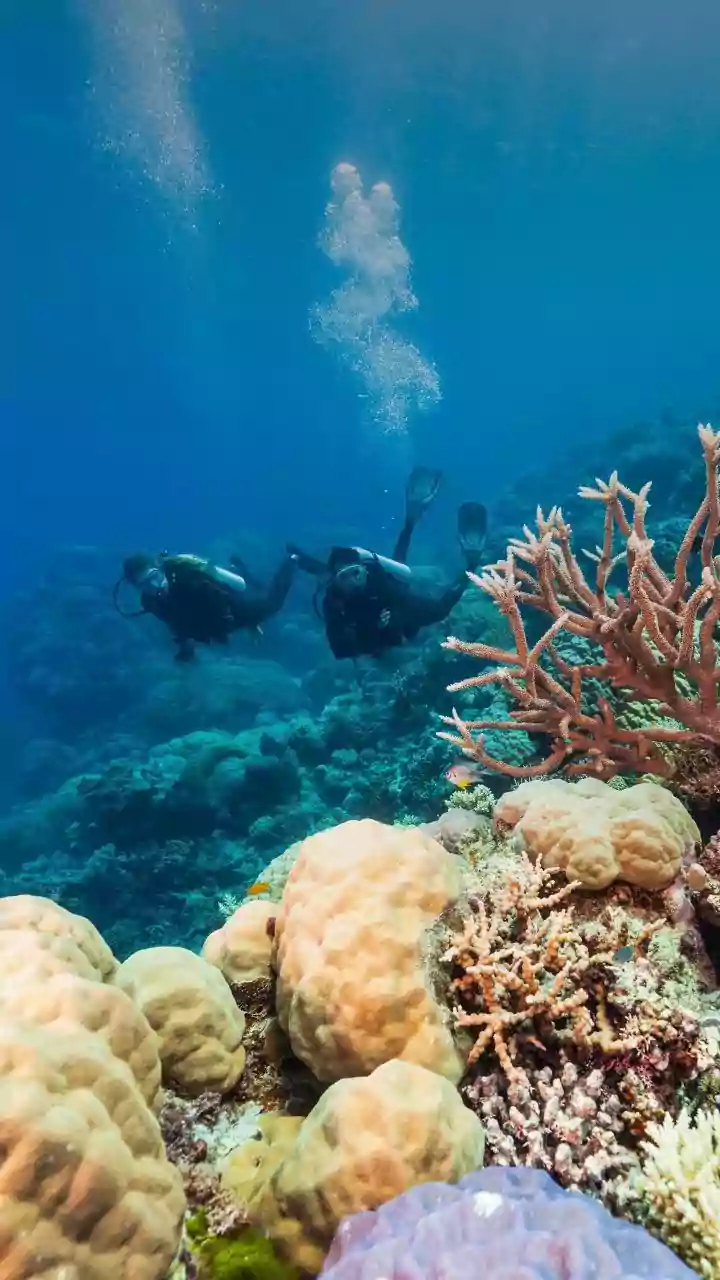
The post-monsoon period is when the archipelago is at its most spectacular. The rains rejuvenate the flora, making the islands incredibly green and full of life. More importantly, the underwater world awakens with astounding clarity. After the monsoon subsides, the sea becomes calm, and underwater visibility is often excellent, sometimes exceeding 25 metres. This makes late autumn the start of the prime season for water sports. The coral reefs are flourishing, and marine life, including sea turtles, colourful fish, and even reef sharks, is abundant and easily visible.
Your Own Private Paradise
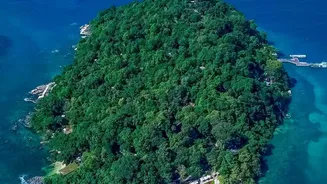
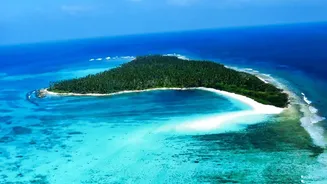
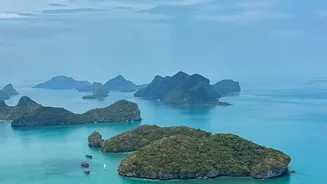
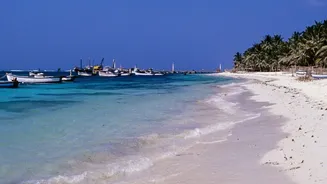
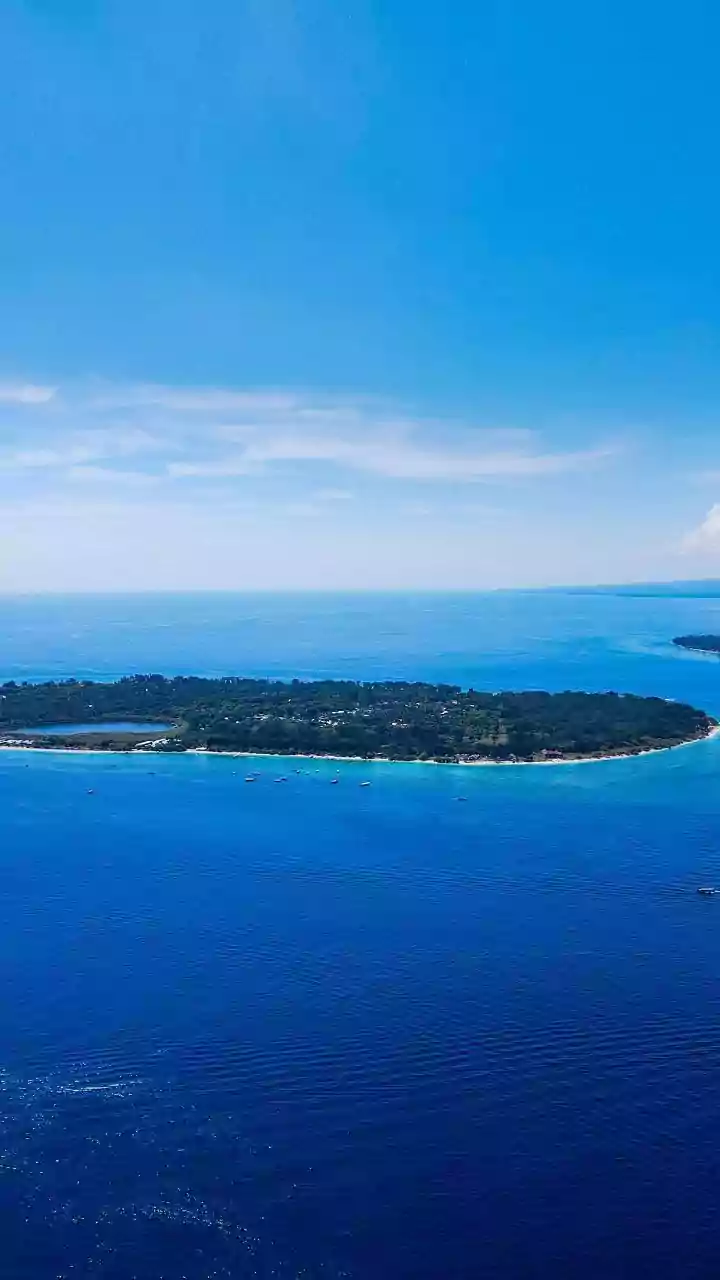
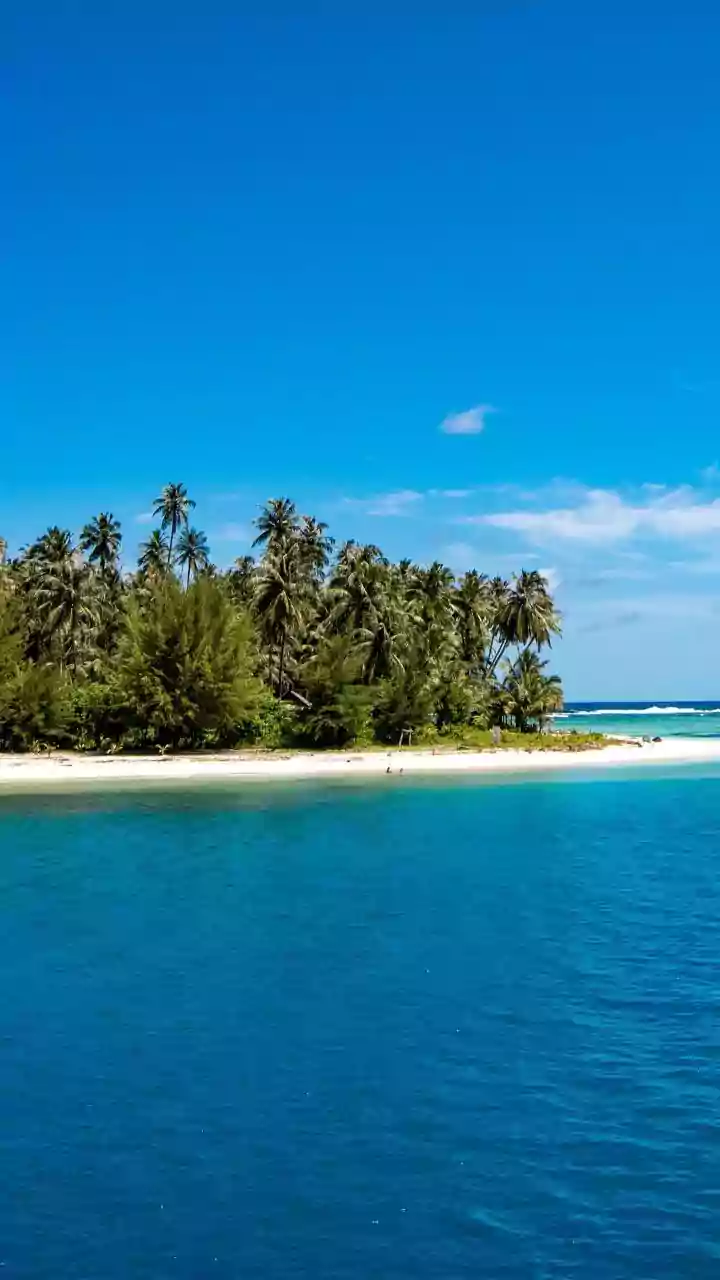
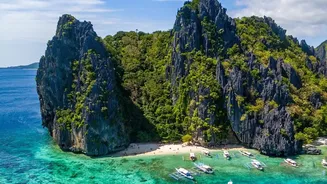
One of the biggest draws for visiting in late autumn is the lack of crowds. The peak tourist season in Lakshadweep runs from December through February, when holiday travellers descend on the islands. By choosing to go in October or November, you're positioning yourself in a 'shoulder season'. This means fewer tourists on the beaches, in the lagoons, and at the dive sites. For young voyagers seeking an authentic and peaceful experience, this is invaluable. You can enjoy the iconic turquoise lagoons of islands like Bangaram and Agatti without the bustle, giving you a sense of having discovered a true, untouched paradise.
Adventure Without the Wait
For the adventurous soul, this period is a goldmine. The calm and clear seas signal the official start of the water sports season. Dive centres on islands like Kadmat, Kavaratti, and Agatti resume full operations. Whether you're a seasoned scuba diver wanting to explore the coral gardens and shipwrecks or a beginner eager to try snorkelling or kayaking for the first time, you'll find ideal conditions. With fewer people around, you'll also benefit from more personalised attention from instructors and guides, making it a great time to get certified or simply enjoy the activities without long queues.
A Budget-Friendly Bonus
Travelling during the shoulder season often comes with a financial advantage. While Lakshadweep is generally a premium destination, visiting before the peak winter rush can lead to more reasonable prices for flights and accommodation. Tour operators and resorts may offer better deals as they ramp up for the high season. For young travellers and backpackers on a mindful budget, these savings can make a significant difference, allowing for a longer stay or more spending on activities. It’s a smart way to experience a world-class destination without the peak-season price tag.
Planning Your Autumn Escape
A trip to Lakshadweep requires some advance planning. All visitors, including Indian citizens, need an entry permit. As of 2026, the process has been simplified, and travellers no longer need a local sponsor or a police clearance certificate from their hometown before applying. Applications can be submitted online through the official ePermit portal, but it's wise to apply at least two weeks in advance. Flights operate from Kochi to the main airport on Agatti Island, and from there, boats or helicopters connect you to other islands. Booking your travel and accommodation after your permit is approved is the recommended final step.