






Beyond a Digestive Aid
For years, fibre was mostly known for one thing: keeping our digestive system regular. While that’s certainly a crucial benefit, modern nutrition science reveals a much bigger story. A high-fibre diet is linked to a lower risk of heart disease, diabetes,
and certain types of cancer. It plays a vital role in managing a healthy weight, controlling blood sugar levels, and even lowering cholesterol. Instead of just being 'roughage', think of fibre as a multi-talented manager for your body’s most important systems, working behind the scenes to keep everything running smoothly and efficiently.
The Two Faces of Fibre
Not all fibre is created equal. It mainly comes in two forms: soluble and insoluble, and our bodies need both. Soluble fibre dissolves in water to form a gel-like substance in your digestive system. Found in foods like oats, dals, beans, apples, and carrots, it slows digestion, which helps you feel fuller for longer and prevents sharp spikes in blood sugar. It's also a champion at lowering 'bad' LDL cholesterol. Insoluble fibre, on the other hand, doesn't dissolve. Found in whole-wheat atta, brown rice, nuts, and vegetables like cauliflower and beans, it adds bulk to stool, promoting regularity and preventing constipation. Most plant-based foods contain a mix of both, which is why a varied diet is so important.
The Gut-Brain Connection
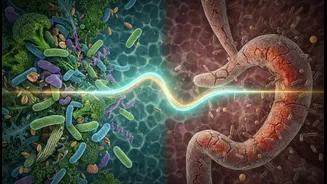
One of the most exciting areas of research is the link between fibre, our gut, and our brain. The trillions of bacteria in our gut, known as the microbiome, feed on fibre. When these good bacteria digest certain fibres, they produce compounds called short-chain fatty acids (SCFAs). These SCFAs have powerful anti-inflammatory effects and can travel to the brain, where they may help support cognitive function, memory, and mood. Some studies suggest diets rich in fibre are associated with a lower risk of depression. So, by feeding your gut with fibre-rich foods, you are also providing essential nourishment for your brain.
How Much Fibre Do You Need?
According to the Indian Council of Medical Research (ICMR), the recommended dietary fibre intake for an adult is around 25 to 40 grams per day, depending on factors like age and activity level. Unfortunately, studies show that many urban Indians consume only about half of that amount, often due to a higher intake of processed foods and refined grains. This 'fibre gap' is linked to a rising incidence of lifestyle diseases. Aiming for this daily target might seem daunting, but incorporating fibre-rich foods into every meal can make it achievable without drastic changes.
Powering Your Plate, the Indian Way
The good news is that a traditional Indian diet is naturally rich in fibre. The key is to embrace whole, unprocessed ingredients. Millets like jowar, bajra, and ragi are excellent sources. Pulses and legumes, the backbone of our cuisine, are fibre powerhouses; a bowl of rajma, chana, or dal can contribute significantly to your daily goal. When it comes to vegetables, don't hold back on bhindi, peas, carrots, and leafy greens like spinach and methi. For fruits, guava is a surprising superstar, along with apples, bananas, and papaya. Simple swaps, like choosing whole-wheat atta over maida and brown rice over white rice, can also make a big difference.
Simple Swaps for a Fibre Boost
Increasing your fibre intake doesn't require a complete diet overhaul. Start with small, manageable changes. Add a handful of roasted chana to your snack time. Mix a variety of vegetables into your dal or sabzi. Start your day with a bowl of oats or a ragi-based dish. Choose whole fruits over fruit juices, as juicing removes most of the beneficial fibre. And remember to increase your water intake as you add more fibre, as it helps the fibre do its job properly and prevents discomfort like bloating.