




The Quiet Erosion of Our Plate
For years, a silent shift occurred in Indian kitchens and on dinner tables. The convenience of processed foods, coupled with the agricultural dominance of wheat and rice, began to push a vast spectrum of traditional ingredients to the margins. Regional
vegetables, indigenous grains, and complex, slow-cooked recipes passed down through generations were being replaced by a more homogenised, faster diet. This wasn't just a change in eating habits; it was an erosion of culinary identity. The intricate food systems, tailored to local climates and nutritional needs, were at risk of being forgotten, remembered only in the kitchens of our grandmothers.
The Mighty Millet's Comeback
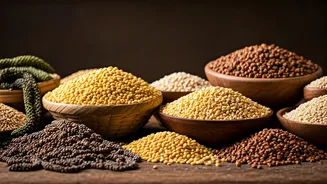
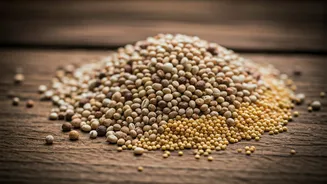
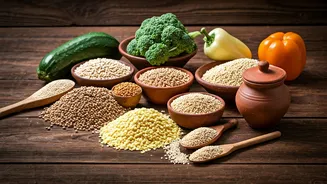
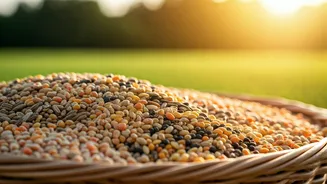
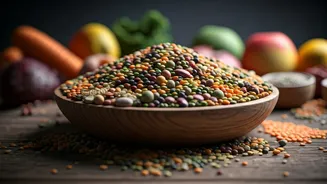
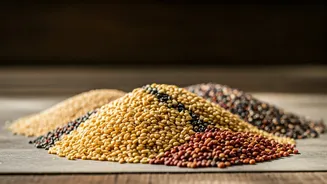
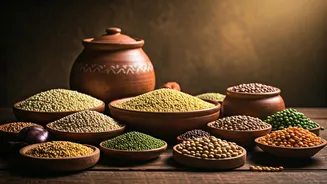
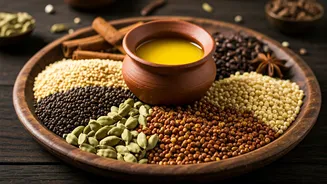
At the forefront of this reclamation is the humble millet. Once a staple across the subcontinent, grains like jowar (sorghum), bajra (pearl millet), and ragi (finger millet) were sidelined by the Green Revolution's focus on high-yield wheat and rice. Today, they are making a triumphant return. Championed by the Indian government, which successfully pushed for the UN to declare 2023 the 'International Year of Millets', these grains are being celebrated for what they always were: nutritional powerhouses. They are rich in protein, fibre, and micronutrients, are naturally gluten-free, and have a low glycaemic index. Crucially, they are also 'climate-smart' crops, requiring far less water than rice and wheat and capable of thriving in arid conditions, making them a sustainable choice for the future.
Chefs as Cultural Storytellers
This food renaissance is not just a top-down initiative. A new generation of Indian chefs has become its most passionate advocate. Moving beyond the standard 'paneer butter masala' fare that dominated Indian restaurant menus for years, these culinary leaders are digging deep into the country's regional cuisines. They are travelling to remote villages, sourcing hyperlocal ingredients directly from farmers, and reviving forgotten recipes. Restaurants are now proudly highlighting the 'terroir' of their ingredients—the unique taste imparted by a specific region's soil and climate. This farm-to-table philosophy is re-establishing the connection between the diner, the farmer, and the land, turning a meal into a story about a specific place and its history.
From Kitchens to Instagram Feeds
The movement has found fertile ground with a public that is increasingly health-conscious and hungry for authenticity. Urban Indians are actively seeking alternatives to processed foods and are curious about the wisdom of traditional diets. Social media has become a massive catalyst, with food bloggers and home cooks celebrating everything from seasonal pickles to complex regional thalis. What was once considered 'village food' is now being embraced as clean, nutritious, and trendy. This consumer-led demand is creating a vibrant market for artisanal food products, organic local vegetables, and heritage rice and grain varieties, empowering small-scale farmers and producers in the process.