





A Spice with a Storied Past
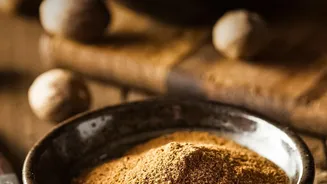
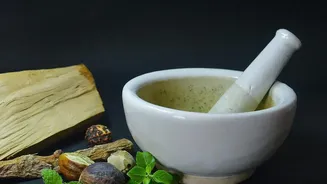
Nutmeg, or Myristica fragrans, is more than just a festive flavouring for desserts and warm drinks. In traditional and Ayurvedic medicine, it has been used for centuries to address a variety of ailments, from digestive issues to sleep problems. The interest
in its medicinal properties stems from its complex chemical composition, which includes a host of antioxidants and essential oils. The most discussed of these compounds is myristicin, an organic compound that is also found in plants like parsley and dill but is most concentrated in nutmeg. It is this very compound that is at the centre of both its traditional use and its modern brain-health claims.
The Modern Brain-Health Connection
Recent wellness trends have positioned nutmeg as a potential cognitive enhancer. The claims are varied, suggesting it can improve memory, reduce stress and anxiety, and even protect the brain against degenerative diseases like Alzheimer's. The theory is that compounds in nutmeg, primarily myristicin, may help inhibit enzymes linked to the formation of amyloid plaques, a hallmark of Alzheimer's disease. Additionally, some proponents point to its traditional use as a remedy for mental fatigue and its potential to promote relaxation by influencing neurotransmitters like serotonin. These are compelling ideas, especially in a world where everyone is looking for a mental edge.
From Animal Studies to Human Reality
This is where the story gets more complicated. Most of the direct evidence linking nutmeg to specific brain benefits comes from laboratory or animal studies. For example, some research on rodents showed that certain nutmeg extracts could enhance learning and memory. Other studies highlight its antioxidant properties, which can protect cells from oxidative stress—a factor in neuronal injury. However, these effects have not been validated in controlled human trials for cognition. While animal and lab studies are a crucial first step in scientific inquiry, their results do not always translate to humans. What works in a rat or a petri dish often fails to produce the same effect in the complex system of the human body.
The Gold Standard of Evidence
So, what does it take to prove a health claim? The benchmark for medical and nutritional science is the randomized controlled trial (RCT). In an RCT, researchers randomly assign participants into at least two groups: one that receives the intervention (like a nutmeg supplement) and a control group that receives a placebo. This process, especially when 'double-blind' (neither participants nor researchers know who got what), helps eliminate bias and prove a cause-and-effect relationship. For a claim to be considered strongly supported, it needs to be backed by multiple, high-quality RCTs, often summarized in a systematic review or meta-analysis. Anecdotes, celebrity testimonials, and claims that a product is 'natural' are not scientific evidence.
A Word of Caution on Dosage
It's also critical to understand that with nutmeg, the dose makes the poison. The small amount used in cooking is generally safe. However, in larger quantities, the same myristicin that generates health interest can become toxic. Ingesting as little as 5 to 10 grams of nutmeg (about one to two teaspoons) can lead to myristicin intoxication, with symptoms like dizziness, nausea, dry mouth, agitation, and even hallucinations. These psychoactive effects are due to how myristicin and its metabolites affect the central nervous system, including weakly inhibiting an enzyme called monoamine oxidase (MAO). The doses required for these toxic effects are far greater than any culinary use but serve as a stark reminder that 'natural' does not always mean 'safe' in any quantity.
Your Toolkit for Evaluating Claims
When you encounter the next 'miracle' food for your brain, it pays to be skeptical. Ask yourself a few key questions: Is the claim based on human studies or just animal research? Was the study a high-quality randomized controlled trial? Does the product promise a 'cure' or 'dramatic' results? Be wary of testimonials and look for information from reputable sources like national health institutes or registered dietitians. In the US, the Food and Drug Administration (FDA) regulates health claims, which describe a relationship between a substance and a disease, but also allows for 'structure/function' claims, such as 'calcium builds strong bones', which are less rigorously reviewed. Understanding these distinctions can help you navigate the often-confusing world of nutritional supplements.