



The Deception of a 'Good' Monsoon
On paper, a monsoon season that meets or exceeds the average of roughly 2,500 mm sounds like a success. It suggests our lakes will be full and water cuts will be kept at bay. However, this single metric is dangerously misleading. The real story lies in the pattern
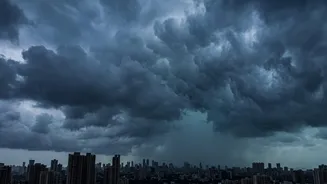
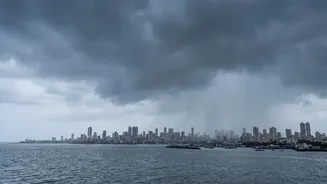
of rainfall. Climate change is altering the character of the monsoon. We are seeing fewer days of steady, moderate rain and more instances of extreme downpours where a significant portion of the seasonal quota arrives in a few violent bursts. A study by the Brihanmumbai Municipal Corporation (BMC) noted a sharp spike in days with over 100mm of rain, with the intensity within short four-hour spans also increasing significantly in recent years. This shift from a marathon to a series of sprints is at the heart of Mumbai's water paradox.
The Drainage Dilemma: Too Much, Too Fast
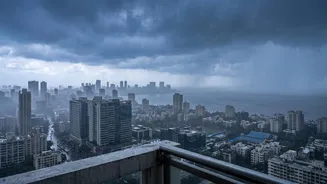
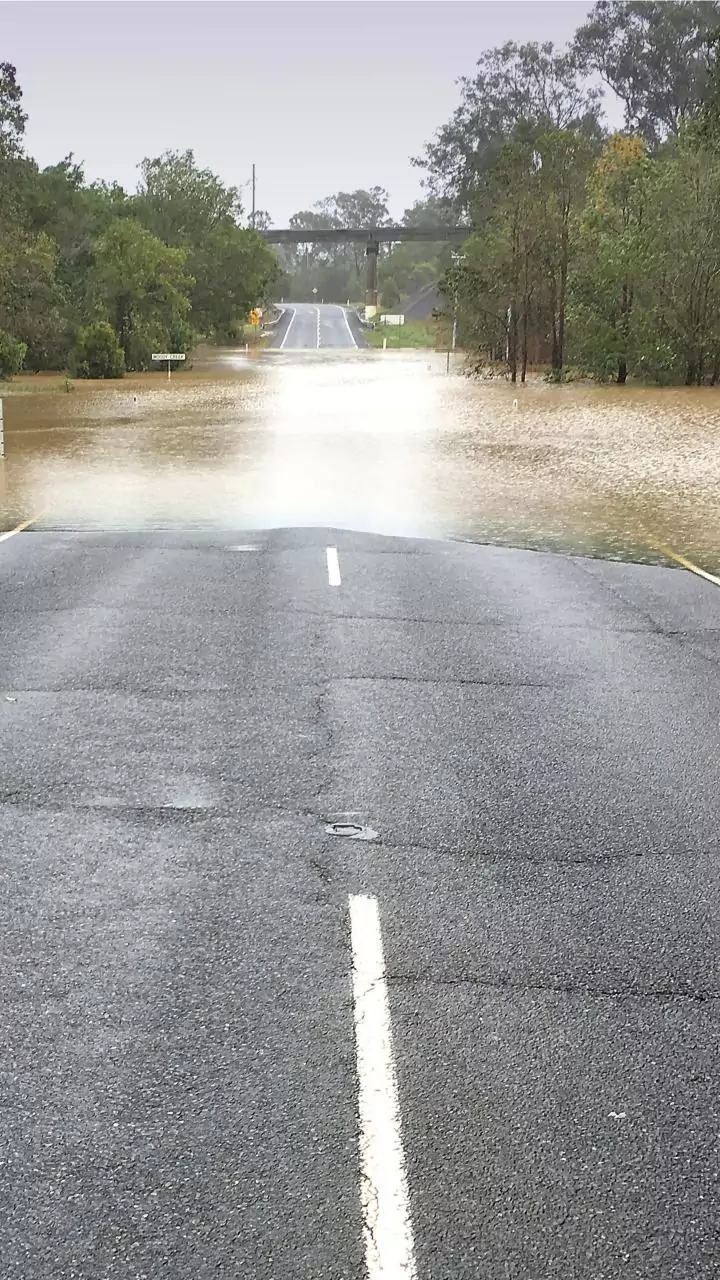
Mumbai’s extensive stormwater drainage system, much of it over a century old, was engineered for a different era. It was designed to handle a steady flow of about 25 mm of rain per hour, assuming that much of the water would be absorbed by the ground. Today, intense spells can dump over 100 mm in just a few hours, completely overwhelming this capacity. The city's rampant concretisation exacerbates the problem. With fewer open grounds and wetlands to act as natural sponges, almost all the rainwater becomes surface runoff, rushing immediately into a drainage system that is already struggling. When these intense downpours coincide with high tides, the sea prevents rainwater from draining out, effectively turning low-lying areas of the city into bathtubs. The result is the now-familiar sight of widespread waterlogging and flash floods that bring the city to a standstill.
A Paradox of Thirst and Deluge
Ironically, the same intense rain that floods the streets can leave the city thirsty. Steady, prolonged rainfall is ideal for replenishing the lakes—like Tansa, Vaitarna, and Bhatsa—that supply Mumbai's drinking water. It allows time for water to seep into the ground, raising groundwater levels and steadily filling the reservoirs. In contrast, extreme downpours lead to massive surface runoff. The water flows too quickly over the hardened, concreted landscape and rushes out to sea before it can be effectively captured and stored in the catchment areas of these lakes. This creates a frustrating situation where the city can be submerged by a deluge while the lake levels, the ultimate measure of water security for the year ahead, rise disappointingly slowly. It explains why even after a season with above-average total rainfall, the spectre of water cuts can still loom large.
The Climate Change Connection
This trend of fewer rainy days but more intense spells is not random; it is a clear signature of climate change. A warmer atmosphere holds more moisture, and rising temperatures over the Arabian Sea provide more fuel for monsoon systems. This leads to the formation of rain clouds that can unleash enormous amounts of precipitation in a very short period. Scientists have observed a significant increase in extreme rainfall events along India's west coast and project this trend will continue. The monsoon is becoming more erratic and volatile. We are swinging between long dry spells and sudden, powerful deluges—a pattern often described as a 'monsoon whiplash'. This new reality means the city can no longer just plan for a certain volume of rain but must adapt to its changing, more aggressive behaviour.